Commodity Volatility Is Turning Packaging Inputs Into Transportation Planning Data

Packaging has stopped behaving like a background purchasing category. In 2026, it is becoming a transportation planning input.
Supply Chain Dive reported that tariff pressure, the Iran conflict, and uncertainty around the future of USMCA are all affecting plastic and metal commodity markets. The details are not abstract. Section 232 aluminum and steel tariffs increased from 25% to 50% in 2025. The U.S. imports about 80% of the tinplate steel used for food cans. U.S. steel producers have limited incentive to expand tinplate capacity because steel packaging represents only about 1% of total steel output.
That kind of volatility lands first in procurement and packaging engineering. It does not stay there.
When can sheet, resin, corrugated, pallets, dunnage, labels, or protective inserts become more expensive or harder to source, operations teams start making substitutions. They approve a different carton, change a pallet pattern, source packaging from a new supplier, or alter pack-out rules to preserve margin.
Those decisions change freight behavior.
Packaging Changes Rewrite The Load Plan
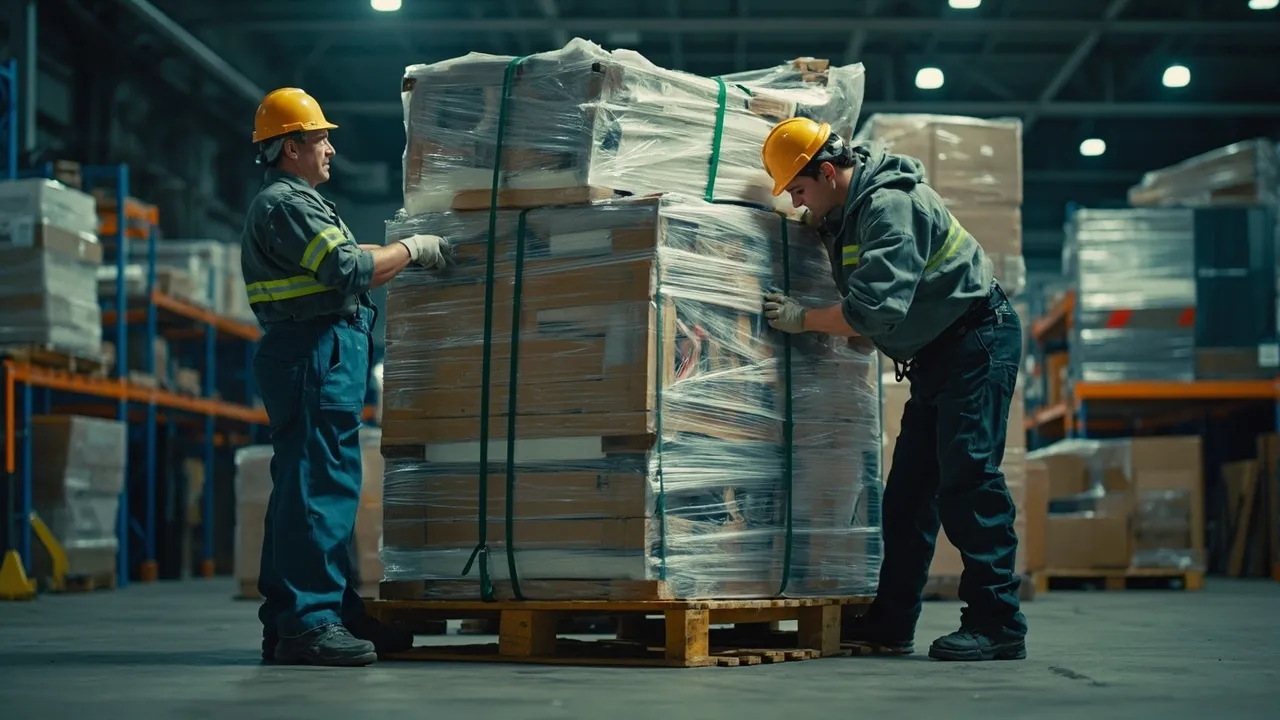
A packaging substitution can look small in a purchase order and still be large in transportation execution. A carton that is two inches taller may reduce pallet count per trailer. A heavier insert can change LTL density. A weaker corrugated grade can increase damage risk on mixed pallets. A different pallet spec can break compatibility with automated handling equipment or retailer receiving rules.
Inbound Logistics has been warning shippers to look closely at this relationship. In a discussion of sustainable freight trends, the publication noted that 30% to 40% of available space on loaded trailers is not being utilized. It also pointed out that many consumer goods cube out before they weigh out, making packaging and pallet efficiency central to freight cost.
That is the operational bridge. Commodity markets move the packaging decision. Packaging decisions move cube, density, loading sequence, damage exposure, and carrier cost.
Transportation teams should not learn about those changes after the first rejected dock appointment or reclassified LTL invoice. They need an earlier trigger.
Resin And Metal Volatility Have Different Freight Effects
The Supply Chain Dive commodity discussion shows why packaging categories need separate operating rules. Plastics are under tariff pressure, but the impact has been uneven. Imports of plastic packaging from China, including polyethylene sacks and bags, were down 7.2% from January through May compared with the same period last year. Resin prices rose about 6% in April and another 14% in May, according to Producer Price Index numbers cited by the Plastics Industry Association.
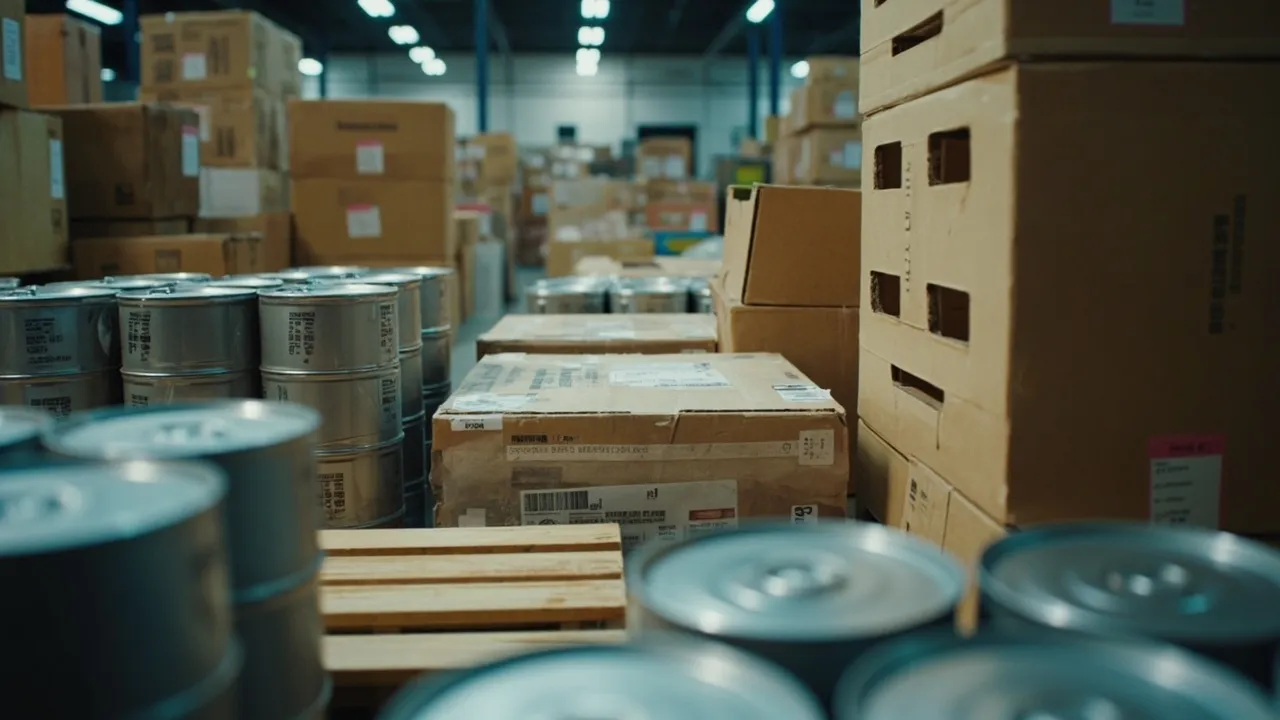
Metal packaging has a different profile. U.S. can makers depend on imported primary aluminum and tinplate. Countries in the Persian Gulf region accounted for about 21% of U.S. primary aluminum imports in 2025, while semi-fabricated imports from that region were about 13%. Iran-related disruption then created price swings, with a sharp run-up followed by a steep decline when ceasefire hopes briefly improved.
For freight planners, plastics volatility may show up as alternate bag, film, tray, or dunnage specifications. Metal volatility may show up as changes to can availability, packaging lead times, supplier allocation, and production sequence. Corrugated volatility may show up as carton right-sizing programs, alternate board grades, or delayed packaging replenishment.
Each material creates different transportation signals. A resin shock is not the same as a tinplate shock. A pallet shortage is not the same as a carton redesign. The TMS needs to know which one is happening because the freight response is different.
LTL Classification Makes The Data Consequence Immediate
The transportation stakes are sharper because freight classification is moving toward density. Modern Materials Handling reported that NMFTA's 2025 updates affected more than 2,000 freight items, shifted more classifications from commodity-based to density-based rules, replaced the old 11-category density scale with a 13-category version, and added identifiers for special handling, stowability, and liability concerns.
The same article made the key point for logistics teams: a variance of just a few inches or pounds can put freight into a different class and affect total shipping cost.
That turns packaging master data into rating data. Length, width, height, weight, stackability, nesting, hazmat status, stowability, and liability are no longer warehouse housekeeping fields. They determine how freight is planned, tendered, priced, audited, and defended when a carrier issues a reclassification.
If packaging engineering approves a new carton but the TMS still rates the old cube, the shipment record is already stale. If purchasing switches a pallet supplier but pallet weight and overhang are not updated, the load plan is guessing. If customer service promises the same delivery cadence while a packaging substitution reduces trailer utilization, the cost-to-serve model is wrong before freight leaves the dock.
Build A Packaging-Input Trigger Model
The fix is not to make transportation approve every packaging decision. The fix is to define which packaging changes create freight triggers and route those changes into shipment planning quickly.
A useful packaging-input trigger model should include:
- Material: resin, corrugated, tinplate, aluminum, pallet, label, dunnage, crate, or returnable packaging
- Supplier: approved source, new source, allocation status, lead time, and country exposure
- Substitute approved: who approved it, which SKUs it applies to, and the effective date
- Dimensional impact: case cube, unit weight, pallet pattern, stack height, and trailer utilization effect
- Freight class: density, handling, stowability, liability, and expected class change
- Damage risk: compression rating, load stability, temperature sensitivity, moisture exposure, and claims history
- Customer notification rule: retailer compliance, label change, case-pack change, and service-level impact
- Execution owner: purchasing, packaging engineering, warehouse, transportation, finance, and customer service
The trigger should be practical. A supplier price change alone may not require transportation action. A new carton dimension does. A substitution that changes stackability, pallet height, or damage risk should update routing, carrier instructions, rating assumptions, and customer-facing commitments.
The Dock Needs Earlier Warning
Commodity volatility is not going away. Tariffs, geopolitical risk, USMCA uncertainty, energy markets, and regional production shifts will keep pushing packaging teams to adapt. The companies that handle it well will not be the ones with the most elaborate commodity dashboards. They will be the ones that connect packaging changes to transportation execution before the dock feels the surprise.
CXTMS helps freight forwarders and logistics companies make those connections. By tying shipment records, dimensions, charges, documents, customer rules, milestones, and exceptions into one operating workflow, CXTMS gives teams a place to turn packaging volatility into freight planning action.
If packaging substitutions, commodity shocks, or supplier changes are starting to disrupt your load plans, schedule a CXTMS demo. We will show how to turn material volatility into an execution signal before it becomes a dock-level problem.