Adani Ports' $100M AI Deal Shows Port Automation Is Moving Into Execution Control

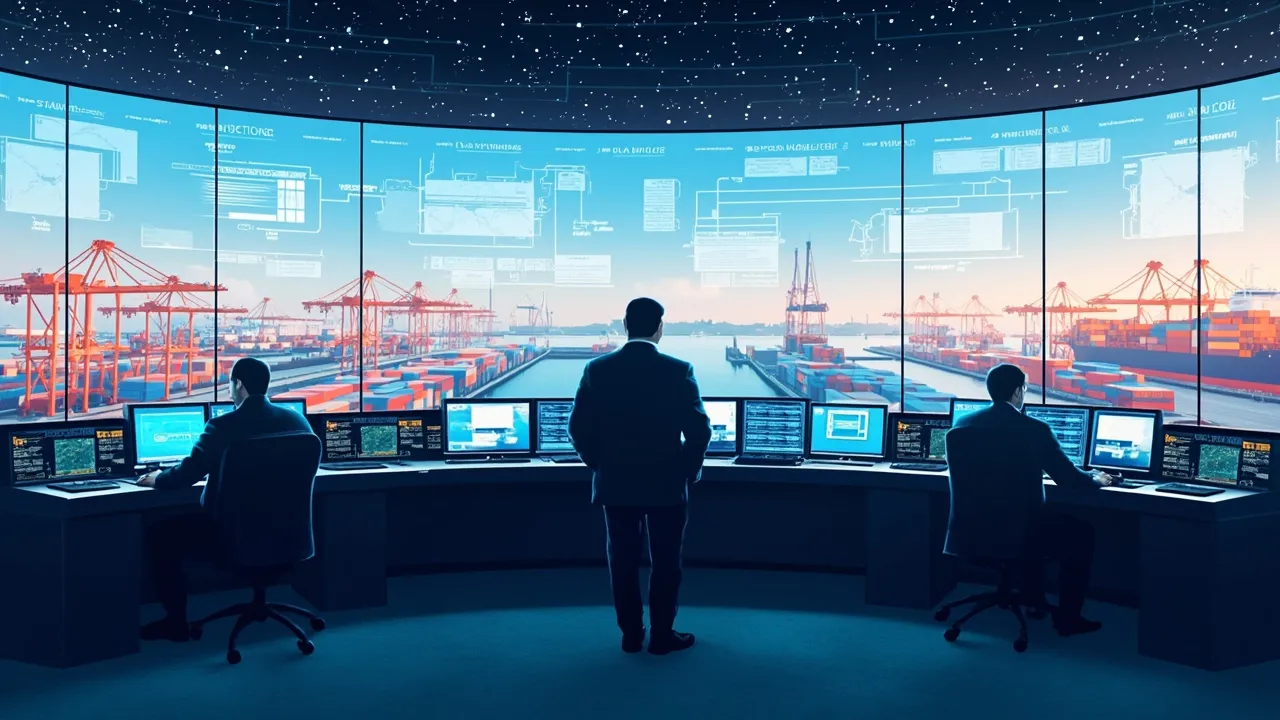
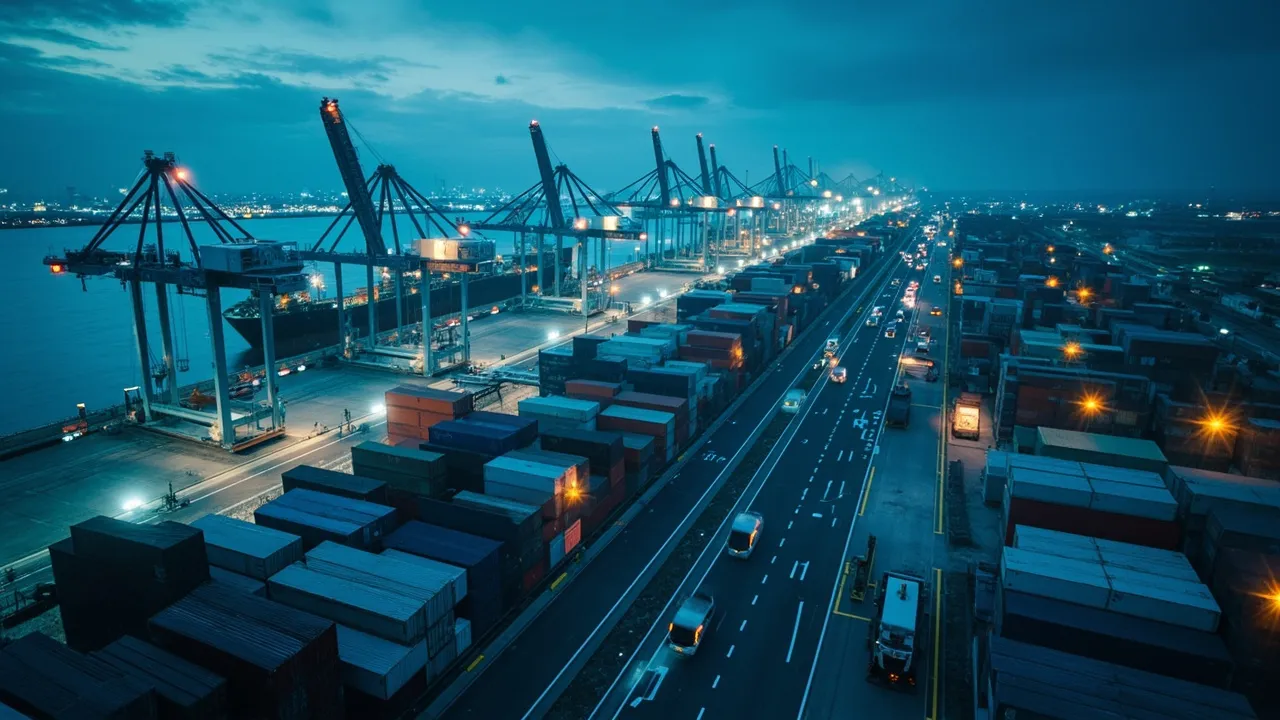
On June 16, 2026, Adani Ports and Special Economic Zone Ltd. announced a multiyear agreement with U.S.-based Kaleris to deploy AI-driven terminal operating software across its 15 container terminals spanning nine ports. The investment: up to $100 million in the first two phases of a broader plan that includes $850 million allocated for technology and decarbonization across the Adani portfolio.
This is not a crane automation story. It's an execution control story.
What the Deal Actually Covers
Kaleris provides terminal operating systems (TOS) and AI-augmented container handling optimization. Adani's 15 terminals will run that software for berth scheduling, yard management, gate operations, and drayage coordination—not just for lifting boxes off ships.
The distinction matters because terminal operating software sits at the intersection of vessel planning, hinterland transport, and cargo release. When that software gets smarter, the quality of event data that flows out of the terminal changes too. And that is what forwarders and shippers should be tracking.
Why Terminal-Level AI Is Different from Port Infrastructure Hype
Most port automation coverage focuses on robotic cranes, automated guided vehicles, or remote-controlled operations. Those are physical layer improvements—valuable, but they don't automatically change the information that leaves the terminal.
Kaleris-style terminal AI operates on the software layer: optimizing berth windows based on vessel arrival confidence, reordering yard stacking to reduce reshuffles, sequencing gate appointments to smooth truck queuing. The output is cleaner, more timely event data that can feed transportation management systems upstream.
For freight forwarders, that means fewer phantom "cargo available" messages that precede an actual container retrieval, and fewer "gate closed" exceptions that arrive after the truck has already committed to a window.
What Forwarders Need to Watch
1. Event Data Quality and Latency
Terminal AI that coordinates berth, yard, and gate in one system produces more consistent status transitions. Forwarders who consume structured event feeds—rather than relying on single checkpoint scans—will see the biggest improvement in downstream ETA accuracy.
2. Drayage Coordination Windows
When terminals optimize appointment sequencing, drayage windows become more predictable but also more tightly managed. Missed windows trigger cascading rebookings. Forwarders need their TMS to accept and propagate those revised windows without manual intervention.
3. Exception Routing Back to the Terminal
The harder problem is not getting data from the terminal. It's sending data back. When a cargo hold, customs delay, or recipient appointment change occurs, the terminal needs to know in real time so it can adjust stacking priority and release sequencing. This is where the integration between terminal operating software and transportation management platforms becomes a genuine operational asset.
Connecting to Shipper Visibility Systems
Port automation at the execution layer creates a data environment that rewards integration. Clean berth events, accurate container availability timestamps, and gate-in/gate-out confirmation messages can feed into a shipper's visibility platform—if that platform is structured to consume terminal-native event schemas rather than relying on carrier EDI translations.
The companies that will extract the most value from this wave of terminal AI are not necessarily the ones with the most sophisticated port tech. They are the ones that have already connected their order, shipment, and inventory layers so that terminal event data flows directly into exception-handling workflows without manual reconciliation.
The $850M Technology Commitment Behind It
Adani's $850 million technology and decarbonization allocation is not isolated. The group has committed $100 billion to develop 5 gigawatts of green energy-powered data centers by 2035, and its ports subsidiary targets handling one billion tonnes of cargo annually by 2030. The Kaleris agreement is a component of that broader infrastructure buildout—AI as operational backbone, not as a discrete efficiency project.
For logistics professionals evaluating their own technology stacks, the lesson is structural: port automation is no longer a question of whether to digitize terminal operations. It is a question of how quickly the data that comes out of those systems can be absorbed into the transportation management and customer communication layers that sit upstream.
One practical starting point is to inventory which terminal events currently arrive as emails, portal screenshots, or manually retyped status notes. Those are the signals most likely to break when vessel bunching, customs holds, or gate congestion hit at the same time. Converting them into structured milestones gives operations teams a cleaner handoff between ocean, drayage, and customer-service workflows.
What This Means for Your Operations
Port terminal AI is moving from physical automation into software-driven execution coordination. The practical impact for freight forwarders and shippers is not measured in crane cycles—it is measured in the quality and timeliness of the event data that shapes routing decisions, drayage bookings, and customer ETA commitments.
Building the integration layer to consume that data—and to push exceptions back into the terminal's scheduling logic—is where operations teams can extract real competitive value from port automation investments that are currently being made on the other side of the dock.
Source: Supply Chain Brain
Ready to see how CXTMS handles terminal event integration and exception-driven transportation coordination? Request a demo and see how our platform connects port-level execution data to your transportation management workflows.