Walmart’s Illinois Fulfillment Center Closure Signals the Real NextGen Network Strategy

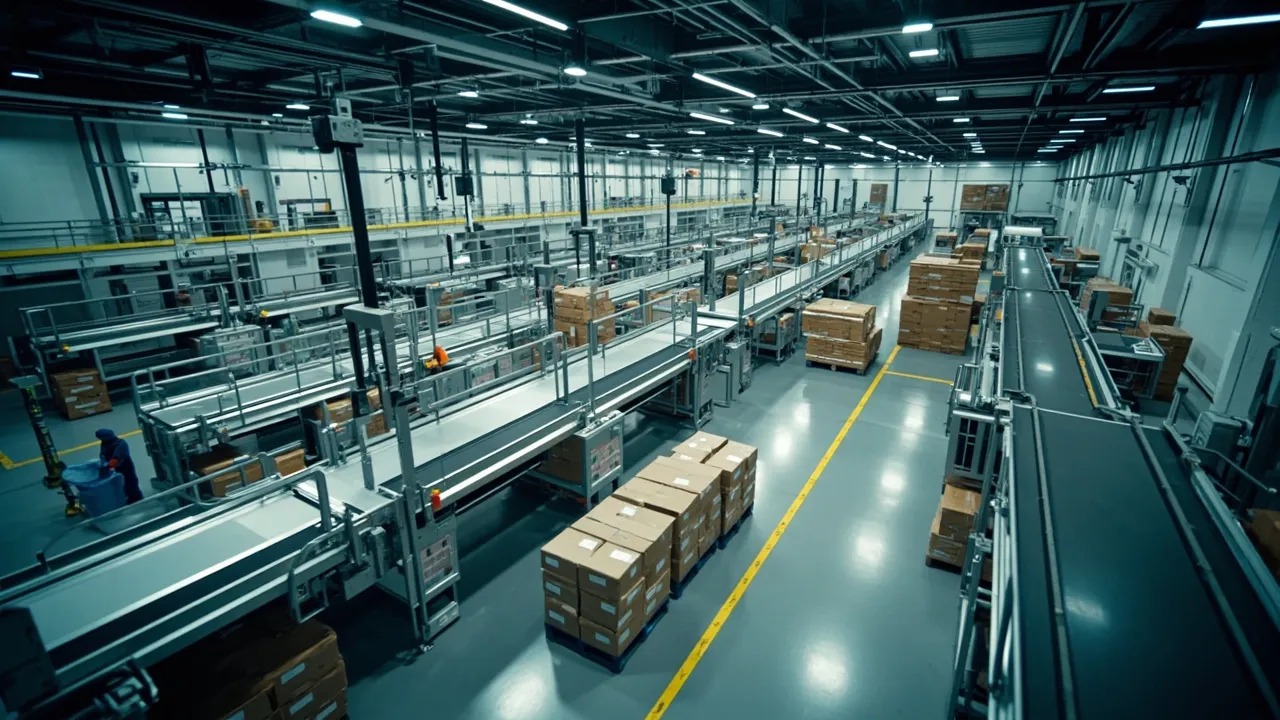
Walmart’s decision to close its fulfillment center in Matteson, Illinois looks grim at the site level, but the network logic is brutally clear.
According to Supply Chain Dive, Walmart will permanently shutter the Matteson facility, with 111 employees affected and operations shifted into other NextGen fulfillment sites. Workers who transfer can qualify for a $7,500 incentive, and those who do not land another Walmart role face separations effective May 29.
That is not random pruning. It is what retail network rationalization looks like once automation starts working.
For years, retailers built e-commerce capacity by adding nodes wherever demand or service pressure showed up. That made sense when speed was the only metric that mattered and digital demand was exploding. But once automated facilities begin producing better throughput, higher accuracy, and lower unit costs, the economics change. The question stops being "How many sites do we need?" and becomes "How much volume can our best sites absorb without wrecking service?"
Walmart is answering that question in public.
The Matteson Closure Is About Concentration, Not Contraction
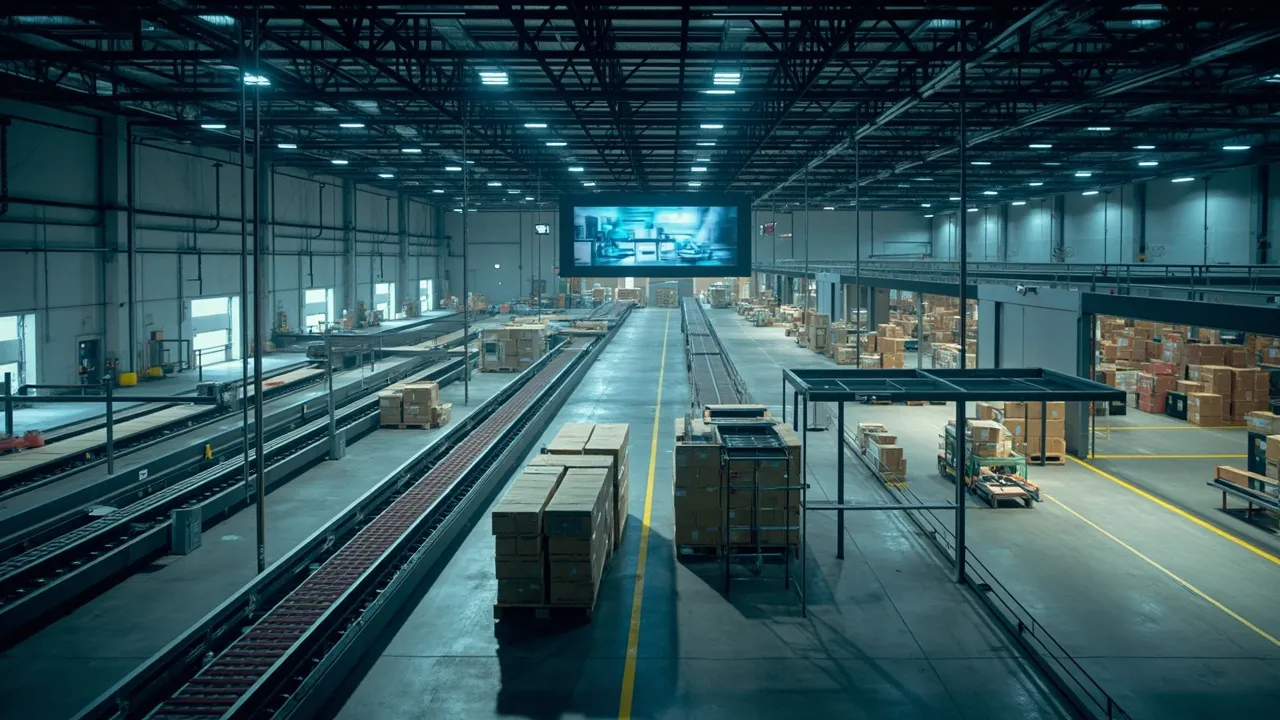
The company’s WARN notice, summarized by Supply Chain Dive, said Matteson’s work will be relocated to other NextGen fulfillment centers. That matters because it reframes the story. Walmart is not simply removing capacity. It is consolidating volume into a newer operating model built around automation-heavy facilities.
That direction has been visible for a while. In 2022, Walmart laid out plans for four high-tech "next generation" fulfillment centers, and the retailer has since moved on to a fifth NextGen facility scheduled to open in 2026, according to Supply Chain Dive’s April 7 report. In other words, the Illinois closure is happening alongside continued investment, not alongside retreat.
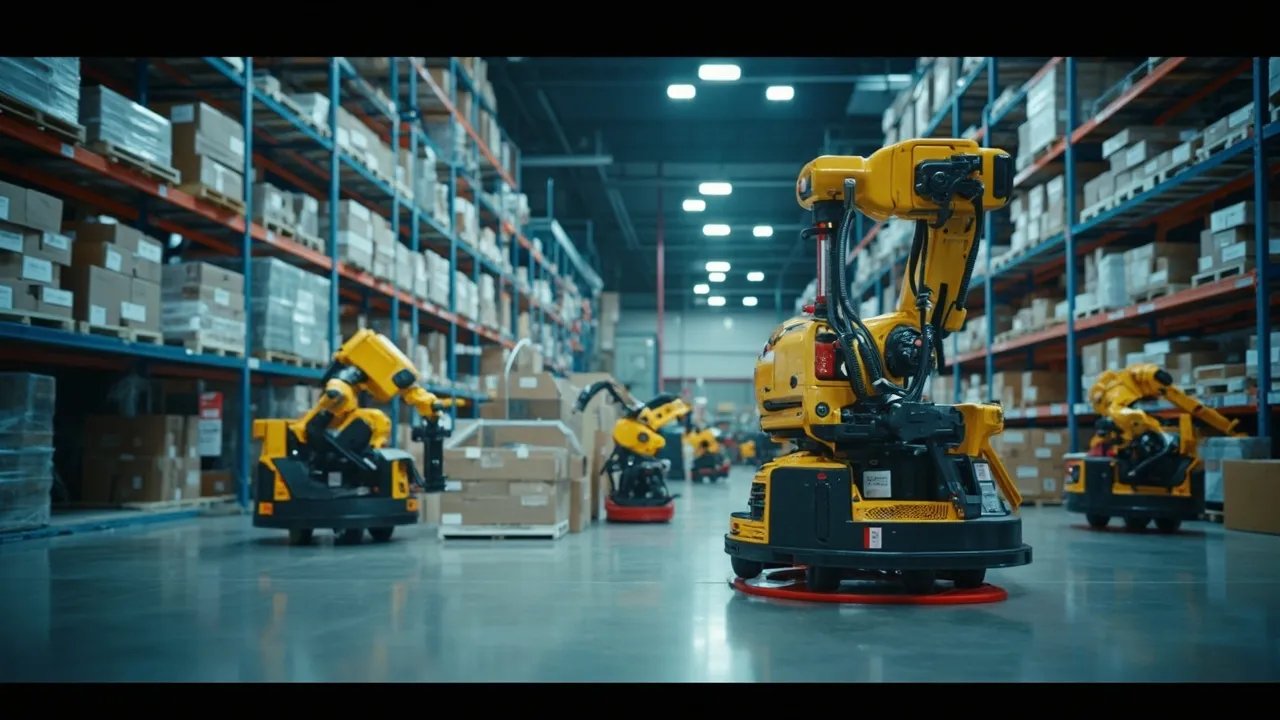
This is the real NextGen strategy: fewer duplicate fulfillment nodes, more standardized high-productivity sites, and tighter orchestration across the network.
Why Retailers Are Betting on Fewer, Better Nodes
Automation only pays off if volume is dense enough.
That is the part people miss. A highly automated fulfillment center is not just a shinier warehouse. It is a capital-intensive machine for processing orders at scale. Spread demand too thinly across too many sites and you dilute the return. Concentrate volume in the right places and the math gets compelling fast.
Walmart’s own numbers back that up. In a May 2025 report, Supply Chain Dive said Walmart had already cut unit costs by 20% year over year at its next-generation automated fulfillment centers compared with manual sites. The same report said Walmart expected automation to drive more than 30% cost reduction improvement across its network by the end of 2025.
That is a massive clue for anyone thinking about retail logistics strategy. If one class of site is materially cheaper and faster than the old model, then facility overlap starts to look like waste instead of resilience.
Walmart also said in that same coverage that more than half of its distribution centers were undergoing automation retrofits and that, by year-end 2025, 65% of stores were expected to receive merchandise from high-tech distribution centers. Once a network reaches that level of conversion, consolidation becomes an operating decision, not a one-off event.
Cost-to-Serve Is the Metric That Changes Everything
Old distributed fulfillment logic favored having more nodes close to customers, even when those sites were operationally uneven. The trade-off was tolerated because faster shipping often outweighed inefficiency.
Now the balance is shifting.
Retailers are learning that cost-to-serve is shaped by more than parcel zone skipping or geographic proximity. It also depends on pick speed, order accuracy, labor dependency, inventory pooling, transfer frequency, and how much manual exception handling the network requires. A smaller number of heavily automated facilities can outperform a larger number of mediocre ones if the software and transport design are strong enough.
That does not mean every retailer should centralize aggressively. It does mean legacy networks built on incremental expansion are getting stress-tested. If two sites serve similar demand but one site has much lower unit economics, better throughput, and cleaner inventory visibility, the weaker node is in trouble.
That is exactly why the Matteson story matters beyond Walmart.
The Alternative Model Is Not Dead, but It Is More Selective
The countertrend is store-based and distributed fulfillment, and it is still alive. The trick is that retailers are getting much more selective about where distributed fulfillment actually creates value.
Take Ulta Beauty. Supply Chain Dive reported that Ulta expanded ship-from-store from about 500 stores to more than 1,000 in fiscal 2025 after implementing an AI-powered order management system. At the same time, its fulfillment center footprint remained flat year over year.
That is a useful comparison. Ulta did not add a bunch of new big-box nodes. It used software to unlock more productivity from stores while holding the core network steady. Walmart, by contrast, is showing what happens when automated fulfillment centers become strong enough to absorb overlapping volume from older facilities.
Different operating models, same lesson: retailers are no longer expanding every part of the network at once. They are concentrating investment where productivity actually improves.
What Shippers Should Learn From This
For logistics leaders, the Walmart move offers four blunt lessons.
First, map overlap honestly. If multiple facilities can serve the same demand, calculate whether that redundancy is protecting service or just hiding weak site economics.
Second, evaluate automation concentration before expanding footprint. The best network upgrade may be pushing more volume through your top-performing nodes instead of opening another mediocre one.
Third, treat transfer incentives and labor mobility as part of network design. Walmart’s $7,500 transfer incentive is not HR trivia. It is part of the cost of shifting from legacy nodes to a concentrated operating model.
Fourth, measure network strategy in cost-to-serve, not in facility count. A bigger footprint is not automatically a better one. If automation, inventory pooling, and transport planning let fewer sites cover more demand, that is usually the smarter move.
The CXTMS Take
Walmart’s Illinois closure is not a sign that retail fulfillment is cooling off. It is a sign the easy expansion phase is over.
The next phase is harder and more interesting: rationalize the network, concentrate automation where it pays, eliminate redundant handling, and design transportation around the facilities that actually perform. Retailers that do that well will carry lower cost-to-serve and faster decision cycles. The ones that keep every node alive out of habit will drag around expensive complexity.
That is the real NextGen strategy, and it is a lot less sentimental than the press release version.
Want to model fulfillment network changes against real transportation costs and service trade-offs? Contact CXTMS to see how CXTMS helps logistics teams plan smarter, execute faster, and control cost across evolving freight networks.