Under Armour Is Cutting Half Its Assortment: Turn SKU Reduction Into a Supply Chain Exit Plan

Under Armour is moving from assortment cleanup to a much larger operating reset. After eliminating 25% of its SKUs over two years, the athletic brand now aims to reduce its assortment by roughly 50%. That can simplify planning, improve product focus and release working capital—but selecting the products to keep is only the opening decision.
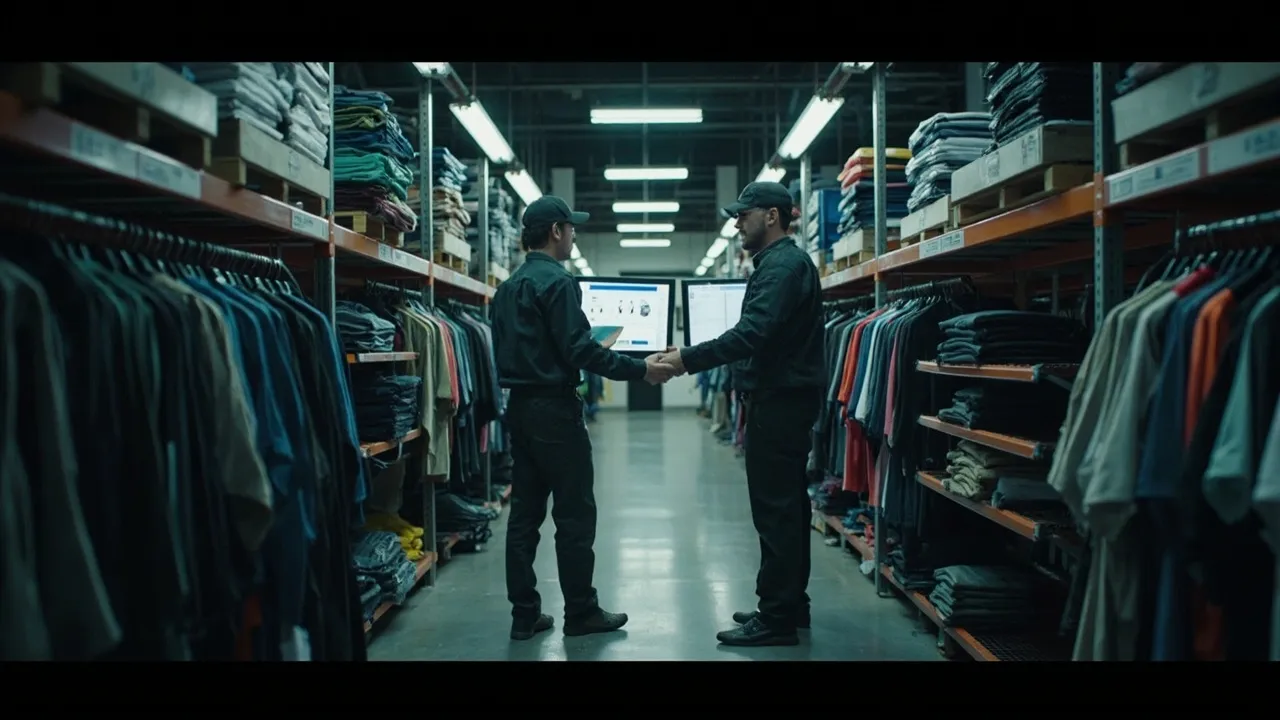
The harder work begins when a SKU is marked for deletion. Fabric may already be committed, factories may have purchase orders in production, distribution centers may hold finished goods, retailers may have replenishment expectations, and returns may continue arriving long after the final sale. Without a structured exit plan, fewer active SKUs can still leave months of obsolete inventory and unexpected cost behind.
Deletion is a supply chain event, not a merchandising flag
Supply Chain Dive reports that Under Armour is targeting a 50% SKU reduction while pursuing shorter lead times, asset-light operations and artificial intelligence to improve its inventory mix. The scale matters. A merchandising team can remove an item from a future line review in minutes; the physical and financial supply chain may need several seasons to complete the exit.
The company has already demonstrated that rationalization can be executed. In May 2026, Supply Chain Dive reported that Under Armour had cut 25% of its SKUs over the previous two years. Doubling the ambition increases the value available, but it also raises the chance that teams overlook shared materials, supplier minimums or channel obligations.
Create one exit record for every discontinued SKU. It should identify the last order date, final production date, last receipt, last replenishment date and final return-acceptance date. It should also show the owner, approved disposition path and financial reserve. A deletion is not complete when the assortment file changes; it is complete when commitments, inventory and returns are resolved.
Map every unit and commitment before the cutover
Start with a full exposure map across the product's lifecycle:
- Raw materials and packaging dedicated to the SKU
- Shared materials that can transfer to retained products
- Supplier forecasts, minimum-order quantities and open purchase orders
- Work in process and finished goods by factory and distribution center
- Inventory in stores, wholesale accounts and ecommerce fulfillment nodes
- Goods in transit, customer allocations and open replenishment orders
- Expected returns, warranty replacements and spare units
Use quantities and values, not status labels. “Open purchase order” does not reveal whether cancellation costs less than receipt and markdown. “Inventory available” does not distinguish healthy sell-through from units trapped in the wrong size, color, region or channel.
For each exposure, choose a dated action: cancel, consume, transfer, rework, sell through, markdown, return to supplier, donate or write off. Finance should approve the economic logic, while supply chain teams confirm that the action is physically possible. The best disposition on a spreadsheet can fail if labeling rules, retailer agreements or transportation costs were ignored.
Protect the products that survive
SKU reduction should make retained products easier to supply, not expose them to a chaotic transition. Shared factories, materials, molds, packaging lines and warehouse locations create dependencies between exiting and continuing products. Removing one item can change supplier economics or leave capacity stranded; exiting too quickly can also disrupt a material used by a high-volume core style.
Build an explicit cutover calendar by supplier, product family and channel. Reallocate factory capacity only after the final requirements for exiting SKUs are covered. Move working capital toward retained products using service targets and demand evidence rather than simply transferring every released dollar. Reserve warehouse slots and labor for returns that will arrive after outbound replenishment stops.
Supplier communication needs the same precision. Provide frozen last-buy quantities, cancellation rules and final shipping windows. Where several products share a material, consolidate remaining demand before canceling the component. This prevents a rationalization program from creating expedited buys for the assortment it was meant to strengthen.
Measure the exit cost as closely as the savings
Assortment reduction often promises lower inventory, fewer forecasts and simpler operations. Those benefits are real, but gross savings can hide transition leakage. Under Armour's own history shows the risk: a 2024 Supply Chain Dive report said inventory-clearing price reductions contributed to a 1.4 percentage-point gross-margin hit in the reported period.
Track four groups of measures through the exit:
- Markdown leakage: realized selling price versus the approved disposition assumption, including channel fees and handling.
- Obsolete exposure: raw materials, work in process and finished goods with no remaining demand or reuse path.
- Operational improvement: forecast error, supplier lead time, changeovers, touches and warehouse locations per retained SKU.
- Complexity removed: active forecasts, purchase orders, supplier-material combinations and exception queues eliminated.
Add customer-facing guardrails: fill rate, cancellation rate, return cycle time and availability for retained core products. A program that removes complexity but damages service has merely transferred cost from inventory to revenue.
Review results in waves rather than waiting for the entire portfolio to close. The first group of exits will reveal inaccurate inventory records, slow supplier acknowledgements and disposition channels that cannot absorb planned volume. Use those findings to adjust the next wave's timing and reserves.
Close the loop with evidence
The final stage is a signed operational closeout. Confirm that no purchase orders remain open, no dedicated materials are stranded, channel inventory is within its approved threshold, and late returns have a defined route. Compare actual recovery and write-offs with the business case. Then carry the lessons into product introduction: fewer variants, clearer minimum volumes and exit terms negotiated before launch.
A 50% assortment reduction can create a faster, more focused supply chain. The value will not come from deleting rows in a product master. It will come from controlling every remaining unit, commitment and handoff until the old assortment is genuinely gone—and using the released capacity to make the retained assortment more reliable.
Ready to control SKU transitions with inventory and transportation visibility? Request a CXTMS demo to connect orders, inventory movements and execution milestones in one operating view.