TikTok Shop Returns Need a Creator-to-Consolidation Reverse-Logistics Record

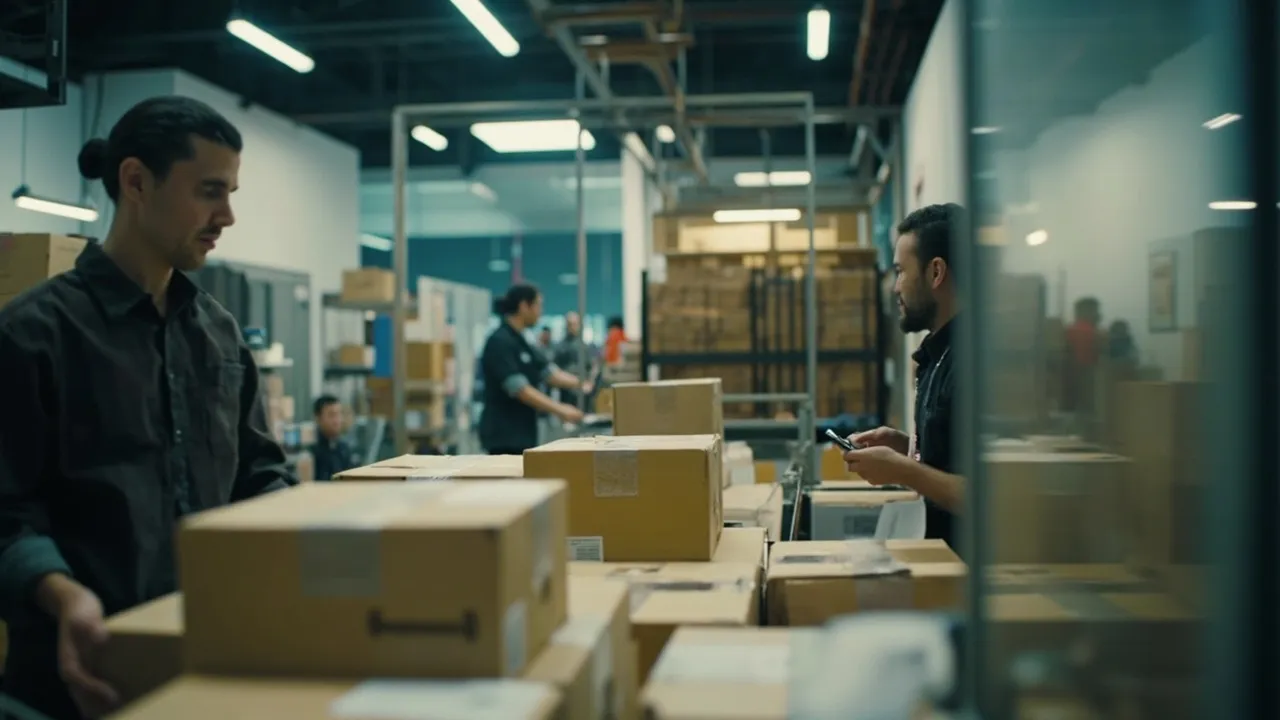
TikTok Shop has made the impulse purchase nearly frictionless. Its new returns option now aims to remove friction from the trip back, too. Through UPS-owned Happy Returns, eligible shoppers can take an item to a participating Return Bar without supplying a box or printing a label.
That convenience matters. But for sellers, a convenient drop-off is only the first event in a much longer operational chain. The real requirement is a durable reverse-logistics record that connects the original creator-driven sale to authorization, physical receipt, consolidation, inspection, refund, disposition, and eventual inventory recovery.
A return network built for social commerce
The integration is notable because Happy Returns is embedded directly in TikTok Shop rather than added separately to each merchant website. Supply Chain Dive reports that it is the platform's only box-free, label-free return option and the first direct platform integration of its kind for Happy Returns.
Shoppers can use nearly 10,000 U.S. drop-off locations, according to coverage of the launch. That broad access converts thousands of retail counters into reverse-logistics origins. It also creates a data challenge: a seller must reconcile the commerce platform's return authorization with a scan at a third-party counter, movement inside a consolidated container, receipt at a processing site, and a financial action.
Social commerce makes that chain particularly sensitive. Demand can surge after a creator post, product life cycles may be short, and a returned item can lose resale value while it waits. The seller cannot treat “dropped off” and “available to sell” as the same state.
Build one record from authorization to recovery
A strong returns record starts with the original order line, not a generic parcel number. At authorization, it should capture the order ID, seller SKU, quantity, price, reason code, policy applied, return deadline, promised refund method, and a unique return merchandise authorization.
At the Return Bar, a custody event should add the location, timestamp, operator or device identifier, item count, scan result, and shopper confirmation. Basic condition evidence—such as packaging status, visible damage, or a serialized-item match—helps distinguish what was handed over from what arrives later.
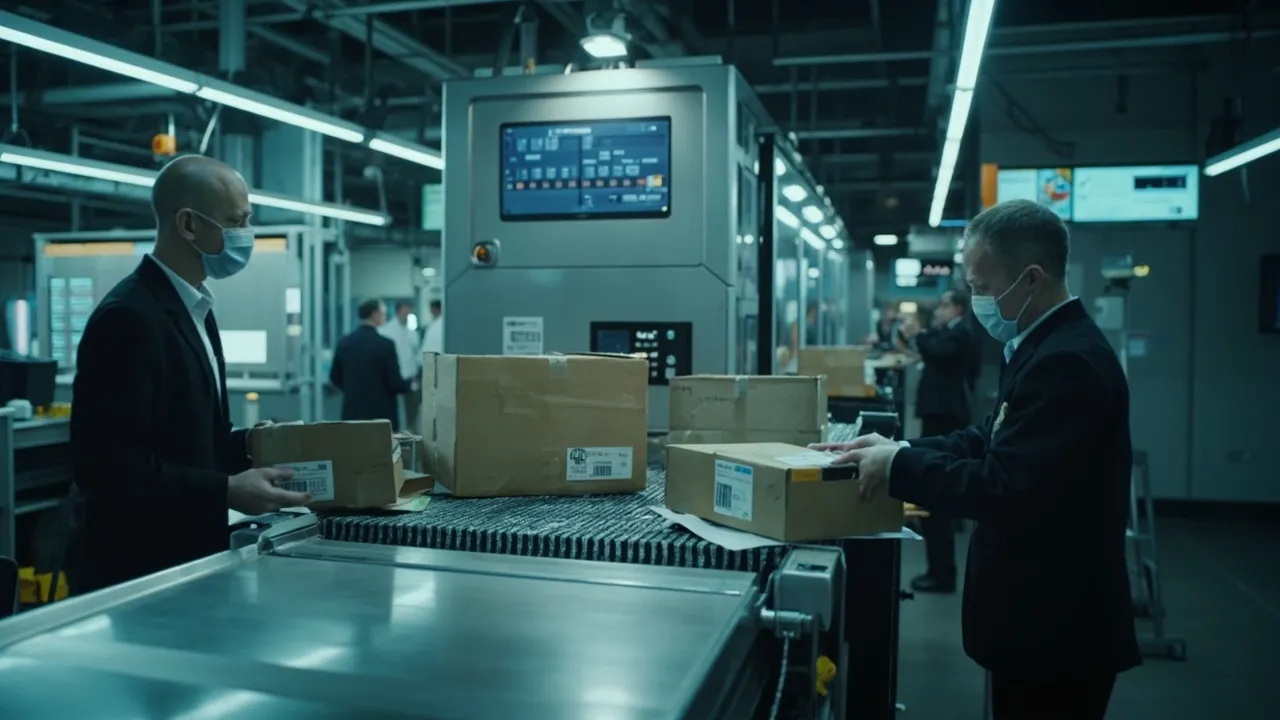
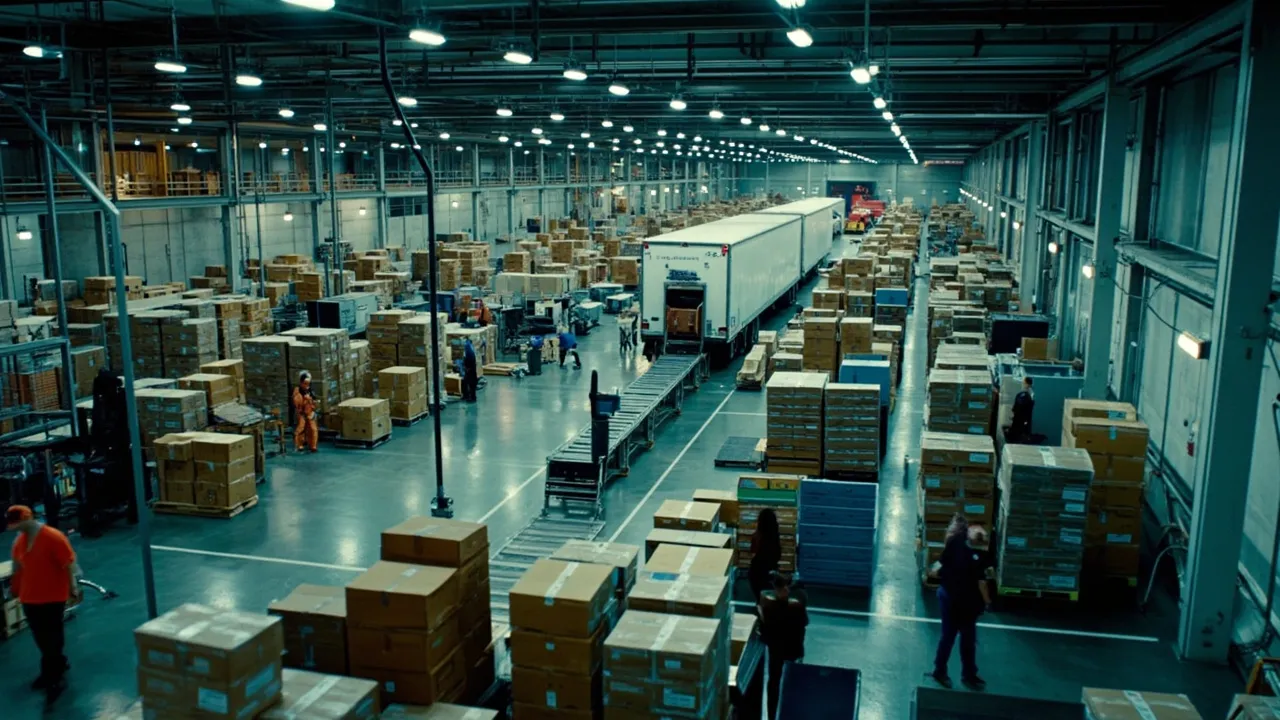
Consolidation then needs its own parent-child relationship. Each item-level return should be linked to the tote, carton, or pallet used for transportation, along with container seal, carrier movement, destination, and exception scans. Without that association, teams can know that a bulk container arrived while still being unable to prove whether a particular customer's item was inside it.
At the processing center, the record should capture receipt and inspection separately. Inspection should use controlled disposition codes such as restock as new, repackage, refurbish, return to vendor, liquidate, recycle, or destroy. The final steps connect the physical decision to a refund timestamp, inventory status, recovered value, and any write-off.
This event chain turns a return from a customer-service ticket into traceable inventory.
Custody evidence closes refund and fraud gaps
Fast refunds improve the buyer experience, but speed without evidence exposes the seller. A refund triggered at first scan may precede inspection by days. If the wrong item, an empty package, or a damaged unit reaches the processor, disconnected systems force operations and finance teams to reconstruct the history manually.
The record should therefore distinguish four milestones: authorization issued, customer handoff confirmed, processing receipt confirmed, and disposition completed. Each milestone can support a different refund rule based on item value, seller risk tolerance, customer history, and product category.
Condition codes should be time-stamped and attributable. Serialized goods should retain serial-number checks; apparel may need tag and wear-condition fields; beauty products may require seal status. Photos should be reserved for exceptions or high-risk categories rather than becoming a labor-heavy default.
The scale of the problem justifies that discipline. Inbound Logistics notes that U.S. retail returns approached $850 billion and 15.8% of annual sales in 2025. Another Inbound Logistics analysis says post-holiday return volumes can spike 25% to 50%, straining labor, storage, and processing capacity. At those volumes, small reconciliation gaps become material losses.
Measure the return as a flow, not a count
Return rate alone does not reveal whether the network is working. Sellers and logistics teams should maintain a compact scorecard:
- Return cycle time: hours from authorization to drop-off, drop-off to processing receipt, and receipt to final disposition.
- Consolidation density: items or usable cubic volume per outbound container, paired with container dwell time. High density is not a win if waiting delays refunds or resale.
- Recovery value: net recovered value as a percentage of the original selling price after transportation, handling, refurbishment, and markdown.
- Fraud and exception rate: returns with identity, quantity, serial-number, condition, or custody mismatches, segmented by SKU, seller, location, and refund rule.
- Cost per returned item: counter handling, linehaul, sorting, inspection, customer service, and disposition costs divided by completed returns.
- Time to sellable inventory: elapsed time until an eligible unit is visible and allocatable in inventory—not merely inspected.
These measures should be linked. For example, increasing consolidation density might lower transportation cost per item while extending dwell time and reducing recovery value. The right decision comes from the full economics, not one optimized metric.
Make reverse logistics part of order orchestration
TikTok Shop's new option solves a visible shopper problem: finding packaging, printing a label, and arranging shipment. Sellers still own the invisible orchestration problem. Orders, returns, carrier events, warehouse decisions, refunds, and inventory updates must share identifiers and controlled statuses.
A transportation management platform can provide the connective tissue by retaining shipment and custody events, managing consolidation movements, flagging missing scans, and exposing cycle-time and cost exceptions. That gives customer service a reliable answer, helps finance reconcile refunds, and lets inventory teams recover sellable goods before demand moves on.
The lesson is straightforward: the faster social commerce creates a sale, the more disciplined its reverse flow must become. A creator may start the order, and a nearby counter may accept the return, but only a complete creator-to-consolidation record protects margin all the way back.
Ready to connect forward and reverse freight events in one operational view? Request a CXTMS demo to see how better transportation visibility can support faster exception management and inventory recovery.