Trade Compliance
61 posts tagged with “Trade Compliance”

Proposed 200% Pharmaceutical Tariffs Turn Drug Logistics Into a Grace-Period Countdown
A proposed phased tariff on generic drugs gives pharmaceutical importers time to connect origin, inventory, customs, and cold-chain decisions before duties rise.
 CXTMS InsightsJuly 24, 2026 · 6 min read

USMCA Certification Readiness Is Becoming a Logistics Partner Test
USMCA certification readiness is becoming a logistics partner test as North American shippers prepare for review uncertainty and preferential-duty scrutiny.
CXTMS InsightsJuly 22, 2026 · 7 min read
Sanctions Tariff Uncertainty Makes Supplier Routing a Board-Level Risk Register
Sanctions and tariff uncertainty are turning supplier routing into a board-level risk register tied to sourcing, customs, landed cost, and freight execution.
CXTMS InsightsJuly 16, 2026 · 6 min read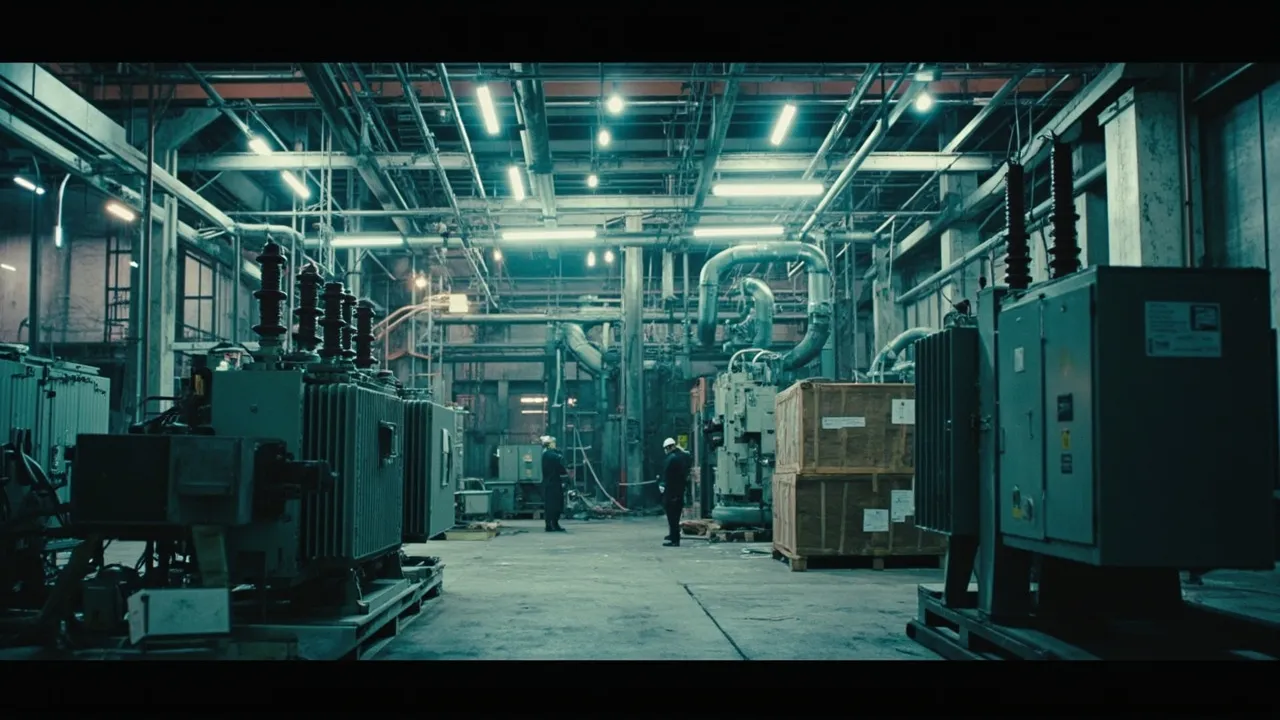
Electrical Component Origin Proof Is Becoming an Infrastructure Logistics Bottleneck
Electrical equipment shipments now need origin, tariff, and BABA evidence connected to freight milestones before infrastructure projects can receive cleanly.
CXTMS InsightsJuly 15, 2026 · 7 min read
Aircraft Trade Talks Put Aerospace Logistics Back Into the Compliance Calendar
Aircraft trade talks give aerospace logistics teams time to tighten tariff calendars, license dependencies, landed-cost records, and regulated-part shipment controls.
CXTMS InsightsJuly 11, 2026 · 6 min read
Forced-Labor Transparency Is Turning Public Shipment Records Into Compliance Evidence
Forced-labor enforcement is turning public shipment records, supplier identity, origin proof, HTS codes, bills of lading, and broker files into compliance evidence.
CXTMS InsightsJuly 7, 2026 · 6 min read
Germany’s Drug-Pricing Probe Could Turn Pharma Trade Policy Into a Logistics Planning Problem
The U.S. Section 301 probe into Germany’s pharmaceutical pricing policies could turn trade uncertainty into a cold chain, customs, and inventory planning problem.
CXTMS InsightsJune 24, 2026 · 7 min read
Sanctions Risk Now Moves Faster Than Compliance Checklists
Sanctions risk is moving faster than periodic compliance checks, forcing supply chain teams to connect supplier, finance, route, and exception signals in real time.
CXTMS InsightsJune 19, 2026 · 7 min read
Canada's Forced-Labor Watchdog Shift Raises the Bar for Import Compliance Data
Canada's forced-labor enforcement shift shows why importers need supplier evidence, origin data, product classification, and customs documentation ready before enforcement changes land.
CXTMS InsightsJune 18, 2026 · 6 min read
Local-Content Rules Are Turning Origin Data Into a Freight Planning Requirement
Local-content rules are no longer a procurement-only concern. Freight teams need shipment-level origin data to plan routing, documentation, and service commitments without compliance surprises.
CXTMS InsightsJune 14, 2026 · 7 min read