Traceability
25 posts tagged with “Traceability”
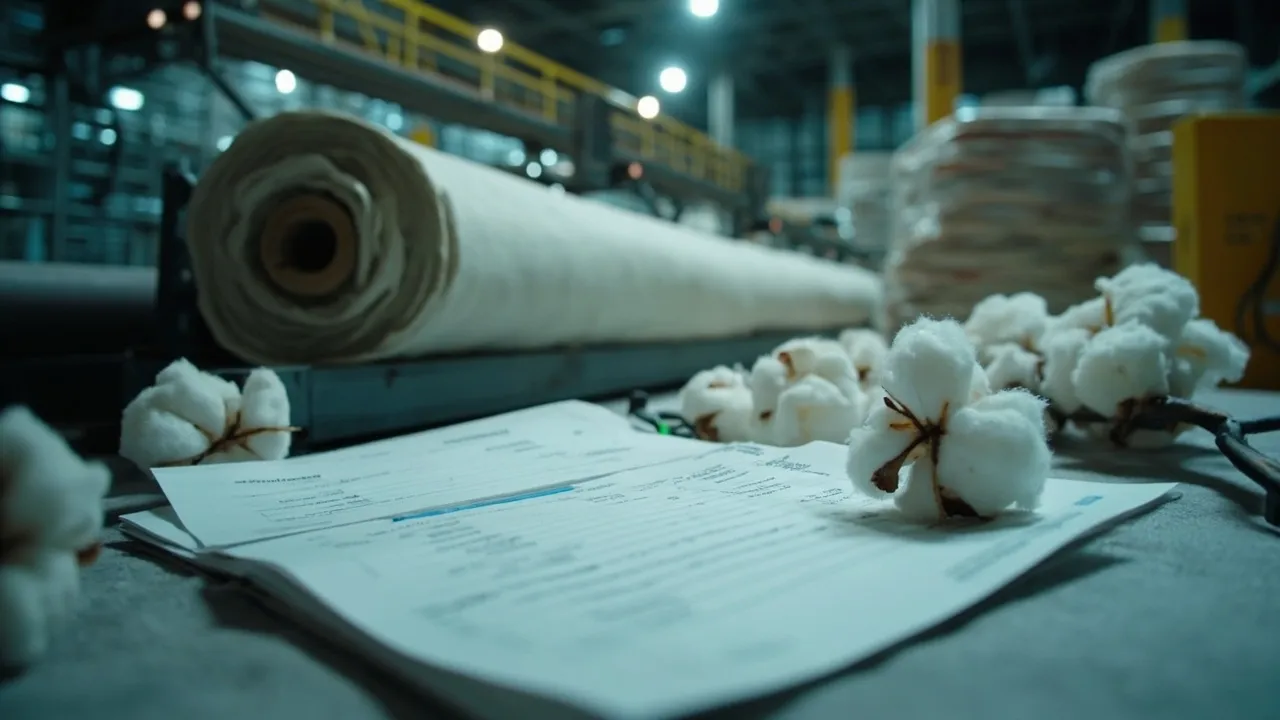
Gap's Fabric-Sourcing Win Shows Why Scope 3 Progress Must Be Traced by Purchase Order
Gap's sustainable fabric milestones show why apparel companies need purchase-order traceability connecting material evidence, suppliers, bookings, and receipts.
 CXTMS InsightsJuly 29, 2026 · 5 min read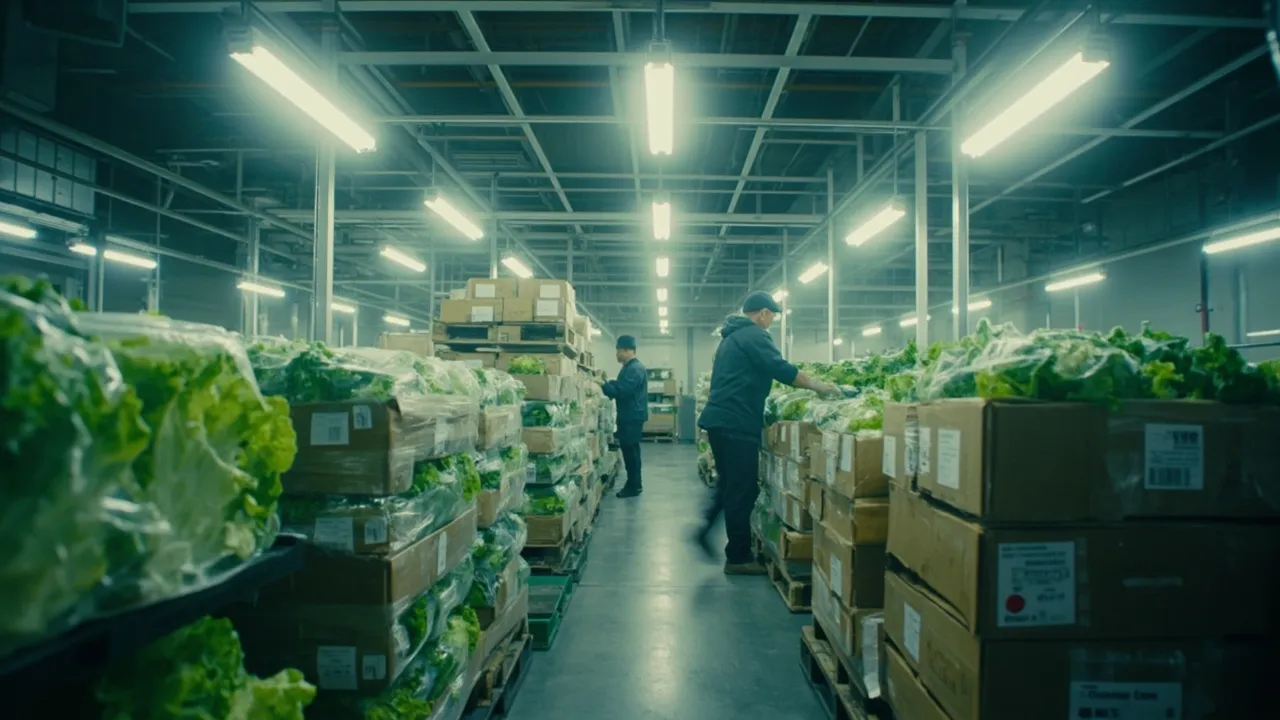
Taylor Farms' Negative Parasite Test Shows Recall Logistics Need Reversible Holds
A reversed parasite test shows why food recall logistics need reversible holds, precise lot and shipment data, controlled releases, and durable audit trails.
CXTMS InsightsJuly 24, 2026 · 6 min read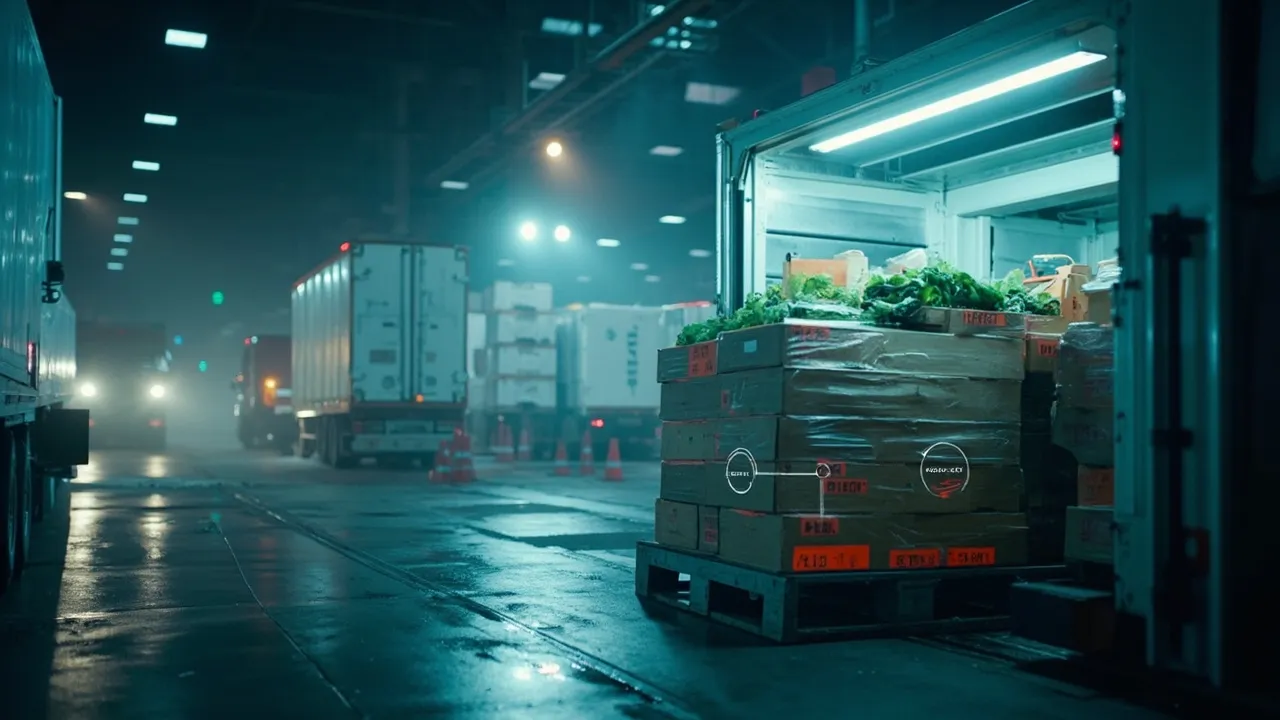
Food Traceability Is Moving From Static Records to Live Logistics Visibility
Food traceability is shifting from static compliance files to live logistics visibility across temperature, location, custody, delay, release, and recall workflows.
CXTMS InsightsJuly 6, 2026 · 7 min read
Food Packaging Is Becoming a Safety-Control Point, Not Just a Cost Line
Food packaging decisions now affect traceability, recall scope, warehouse handling, and supplier-change risk across food logistics networks.
CXTMS InsightsJune 16, 2026 · 6 min read
Grocery Traceability Is Becoming Recall Scope Optimization, Not Just Compliance
Grocery traceability is shifting from regulatory recordkeeping to recall scope optimization, where clean freight, lot, container, and temperature data limit disruption.
CXTMS InsightsJune 15, 2026 · 7 min read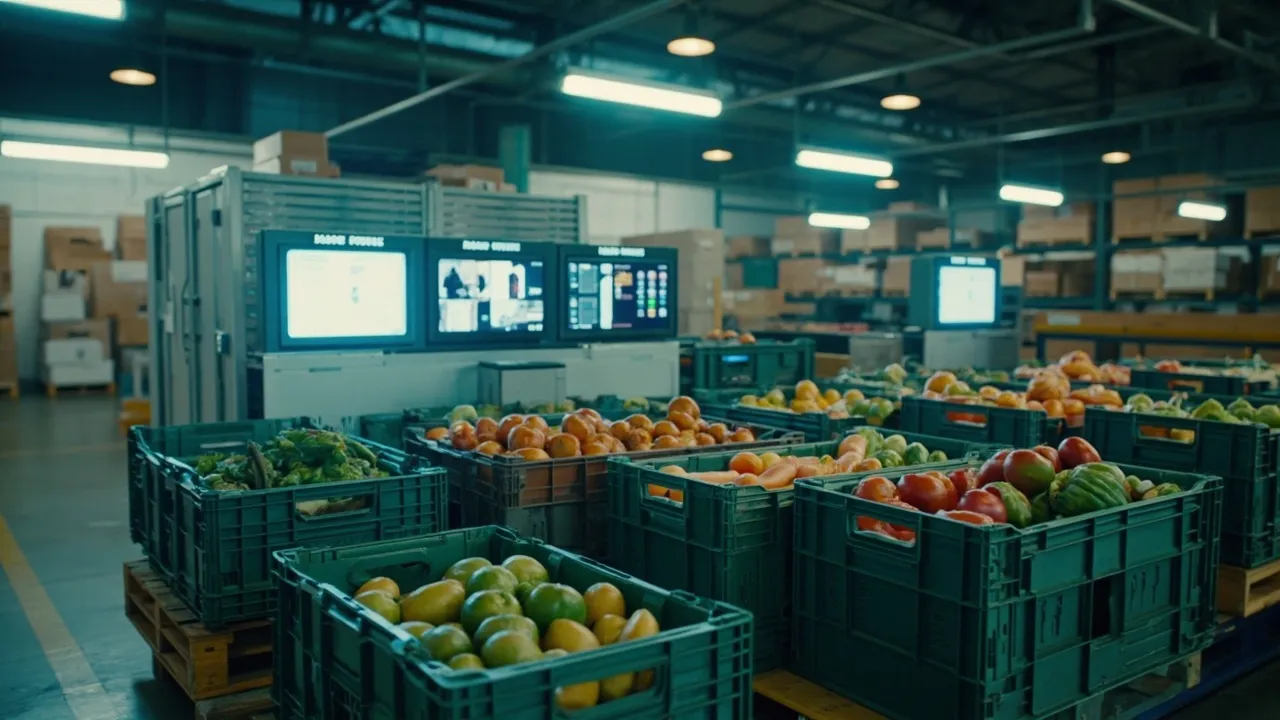
Adaptive Machine Learning Could Make Grocery Recalls Smaller, Faster, and Cheaper
Adaptive machine learning is turning grocery traceability into an execution discipline that can narrow recall scope, reduce waste, and control reverse logistics cost.
CXTMS InsightsJune 5, 2026 · 6 min read
Social Impact Traceability Is Becoming a Product-Level Supply Chain Requirement
Social impact traceability is moving from ESG reporting into product-level compliance, procurement, and logistics workflows.
CXTMS InsightsMay 31, 2026 · 7 min read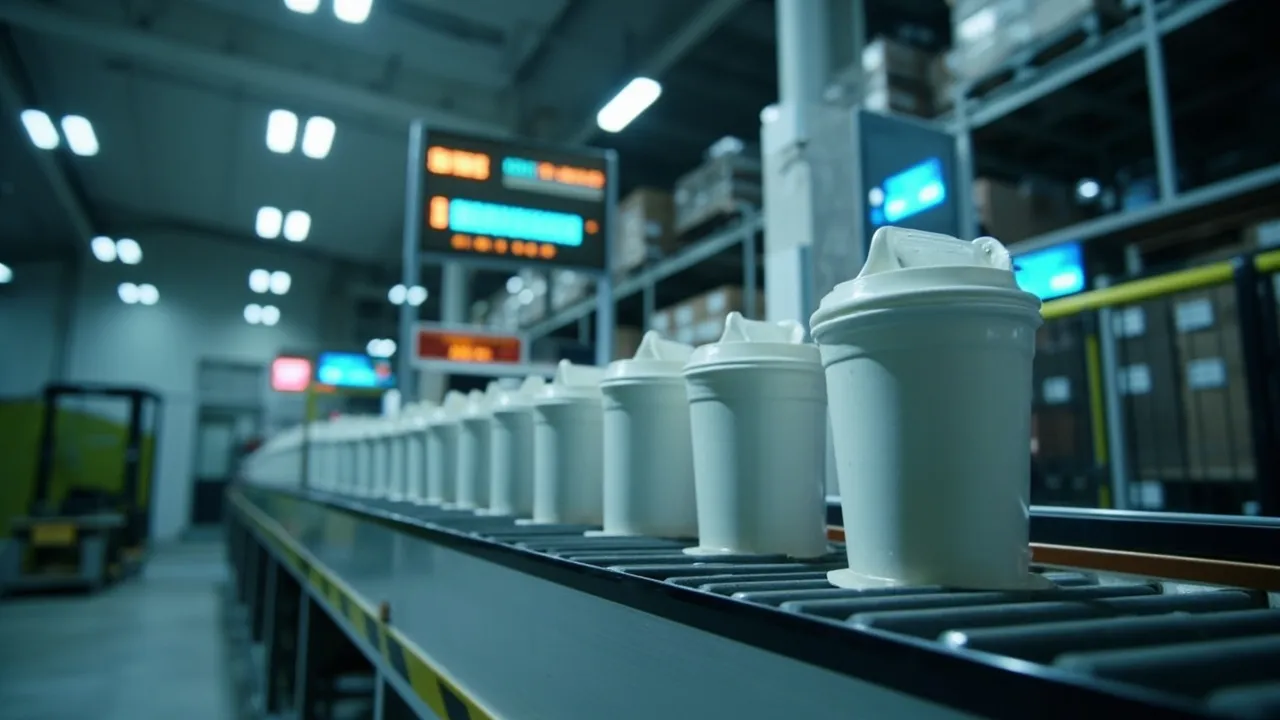
Plastic Cup Trackers Prove Packaging Sustainability Needs Chain-of-Custody Data
A tracker study on Starbucks cold cups shows why recyclable packaging claims need chain-of-custody data, reverse logistics visibility, and EPR-ready reporting.
CXTMS InsightsMay 23, 2026 · 7 min read
EPR Reporting Will Fail Without Better Product Data and Traceability
Extended producer responsibility reporting is becoming a logistics data challenge built on product IDs, packaging attributes, shipment records, and returns traceability.
CXTMS InsightsMay 18, 2026 · 7 min read
Coffee Supply Chains Are Getting a Labor-Rights Audit, and Logistics Teams Can’t Pretend It’s Someone Else’s Problem
Nestlé’s new ILO partnership shows labor rights in coffee are now a logistics data problem as much as a sourcing and ESG issue.
CXTMS InsightsApril 18, 2026 · 6 min read