Network Design
86 posts tagged with “Network Design”
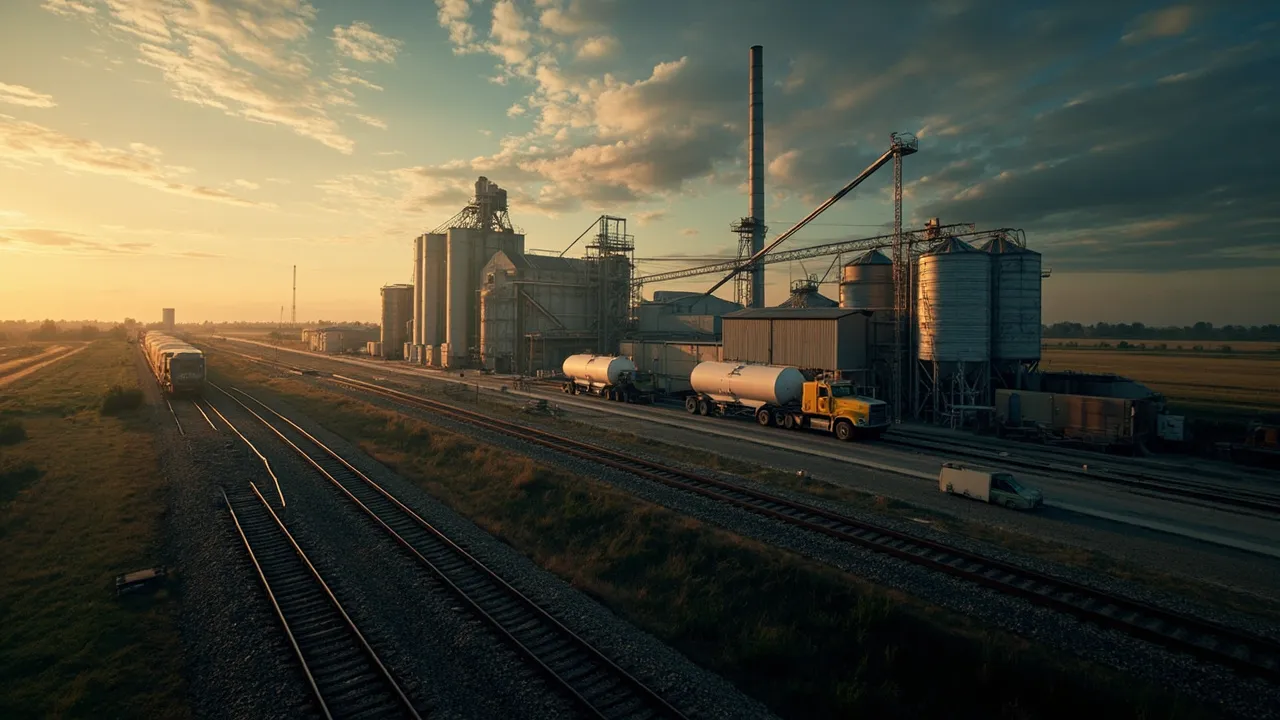
USDA's $1.3 Billion Fertilizer Buildout Needs an Inbound-to-Outbound Logistics Map
Eight USDA-backed fertilizer projects represent more than $1.3 billion in investment. A logistics map can align raw materials, rail capacity, storage, and seasonal farm demand.
 CXTMS InsightsOctober 31, 2026 · 6 min read

Cost Is Now a Supply Chain Design Input: Put Outcome Tradeoffs Into the Network Model
Learn how to model freight cost, service, resilience, emissions, inventory, and cash together so network design decisions reflect real business tradeoffs.
CXTMS InsightsOctober 30, 2026 · 6 min read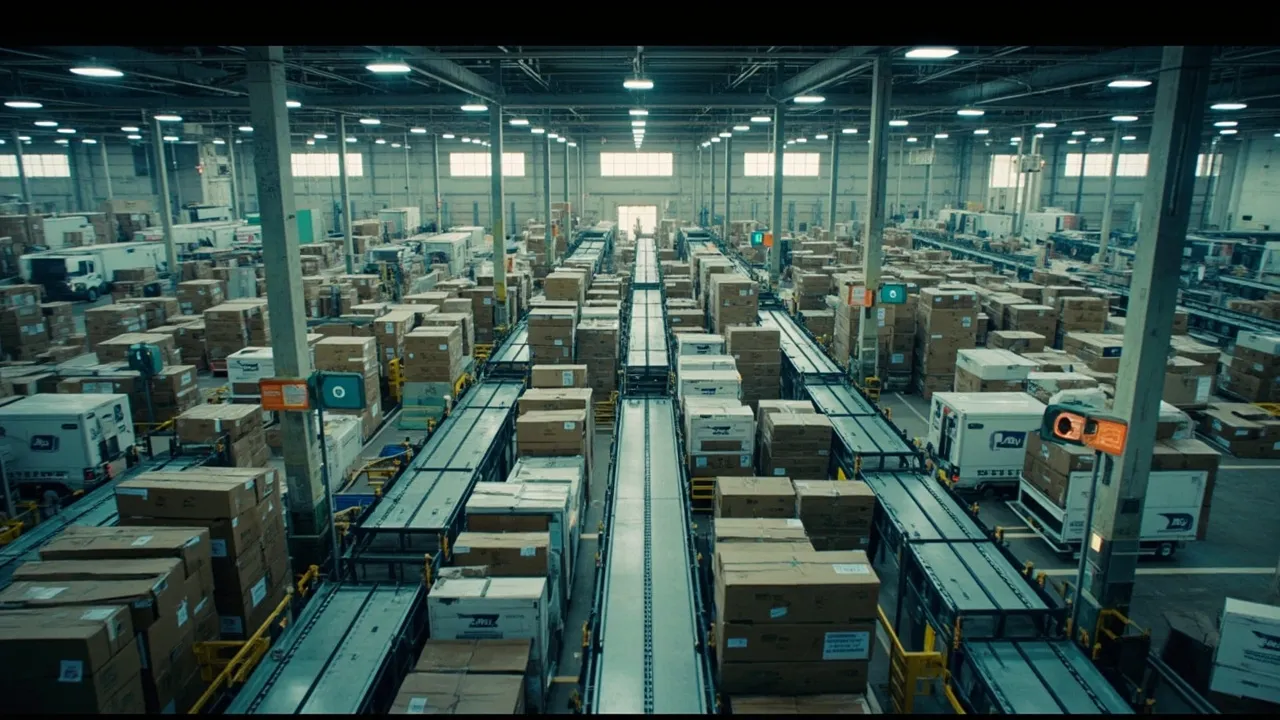
FedEx Network 2.0 Needs a Mixed-Service Handoff Scorecard
A practical scorecard for shippers monitoring express and ground parcel performance as FedEx Network 2.0 consolidates facilities, routes, and handoffs.
CXTMS InsightsOctober 28, 2026 · 6 min read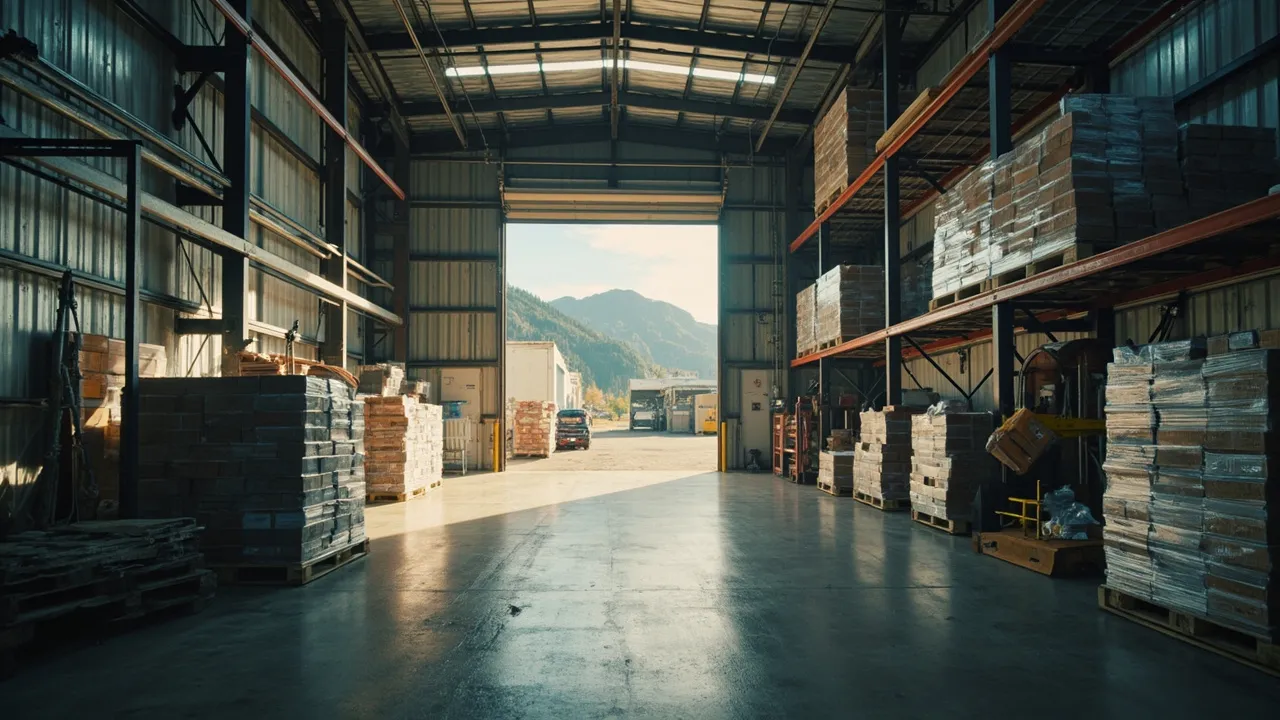
Rocky Mountain Chocolate's $6.6M Warehouse Deal Turns Logistics Real Estate Into Working Capital
Rocky Mountain Chocolate Factory's $6.6 million sale-leaseback shows how logistics operators can unlock working capital without surrendering a mission-critical facility.
CXTMS InsightsOctober 21, 2026 · 6 min read
The Kroger–Albertsons Merger Saga Is a Warning Against Designing One Irreversible Grocery Network
The failed Kroger–Albertsons merger shows why grocery networks need reversible capacity, decision gates, and protected service baselines during prolonged deal uncertainty.
CXTMS InsightsOctober 20, 2026 · 6 min read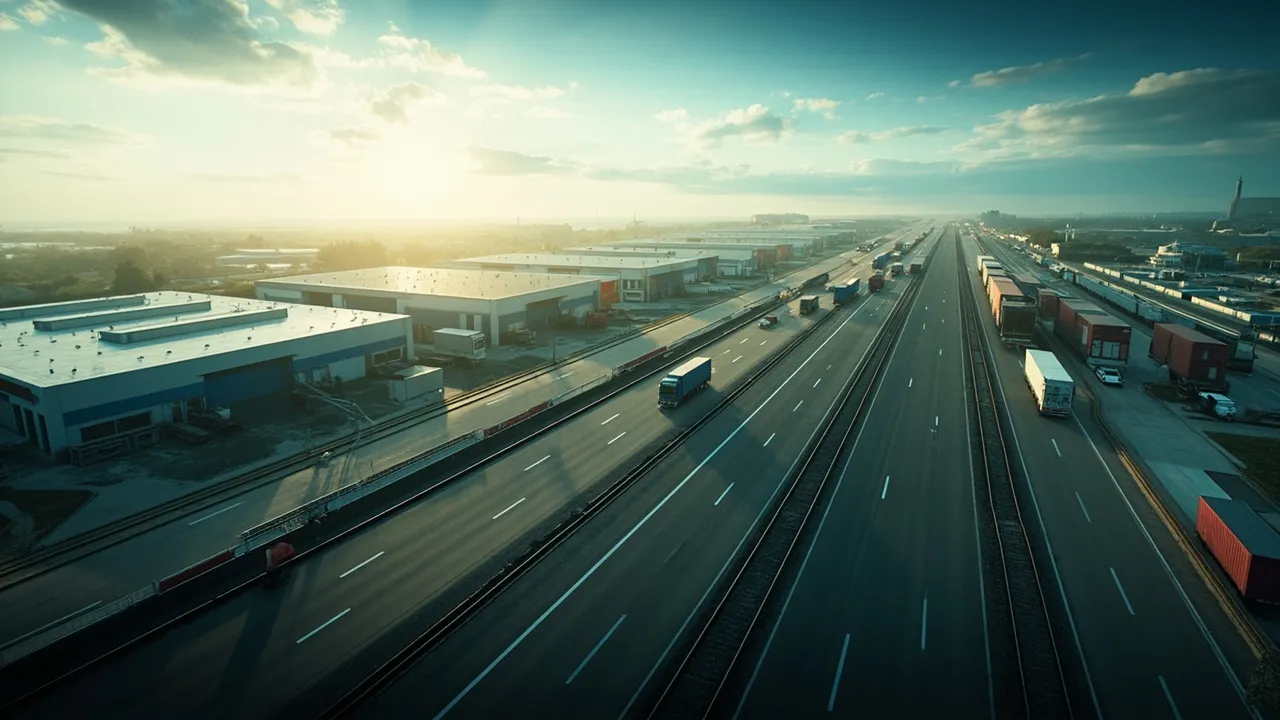
$447M for Central and Eastern Europe Logistics: A Network Investment Readiness Map
A practical readiness map for shippers deciding when new Central and Eastern Europe logistics capacity justifies lane, facility, and inventory changes.
CXTMS InsightsOctober 19, 2026 · 6 min read
Manufacturing Incentives Need a Freight-Readiness Test Before the Factory Opens
Factory incentives can improve project economics, but manufacturers need a freight-readiness test covering suppliers, carriers, borders, utilities, labor, and outbound capacity.
CXTMS InsightsOctober 15, 2026 · 6 min read
Reshoring Announcements Need a Supplier-and-Freight Feasibility Gate
A practical feasibility gate helps manufacturers test supplier depth, labor, tooling, utilities, freight capacity, landed cost, and service risk before approving reshoring investments.
CXTMS InsightsOctober 13, 2026 · 6 min read
International Paper's Network Reset: Requalify Packaging Supply by Plant and Rail Lane
International Paper's network changes make plant-level packaging qualification essential. Learn how to evaluate capacity, rail access, transit, and recovery.
CXTMS InsightsOctober 11, 2026 · 6 min read
A $15 Billion Iowa Steel Mill Will Reshape Regional Freight: Model the Inbound and Outbound Network Now
A planned $15 billion Iowa steel mill could add 10 million tons of annual capacity. Learn how to model its rail, truck, transload, and customer-delivery network.
CXTMS InsightsOctober 9, 2026 · 6 min read