Intermodal
44 posts tagged with “Intermodal”

Rail Volumes Are Sending Mixed Signals: Carloads Edge Up While Domestic Intermodal Carries the Growth
AAR and IANA data show why shippers should read rail carload, ISO container, domestic container, and trailer signals separately before changing forecasts.
 CXTMS InsightsMay 25, 2026 · 6 min read
Georgia Ports’ 14% April Drop Shows Why Inland Port Strategy Matters When Demand Softens
Savannah’s April TEU decline does not weaken the case for inland ports. It clarifies why rail-connected capacity matters when freight demand softens and rebounds unevenly.
CXTMS InsightsMay 22, 2026 · 7 min read
Turkey’s Europe-Gulf Corridor Plan Could Give Shippers a New Middle Corridor Option
Turkey’s proposed Europe-to-Gulf rail and road corridor gives shippers another reason to treat Eurasian routing as a resilience exercise, not a shortcut around disruption.
CXTMS InsightsMay 19, 2026 · 6 min read
U.S. Rail Freight Is Stronger Across the Board, but Intermodal Growth Is Still Telling a Different Story
U.S. rail freight is improving in 2026, but carload strength and modest intermodal growth point to different shipper strategies for rail conversion, ramp planning, and truckload relief.
CXTMS InsightsMay 10, 2026 · 6 min read
Rail Carloads Are Beating Intermodal in 2026, and That Split Says a Lot About Freight Demand
AAR traffic data shows bulk rail carloads rising while intermodal slips in 2026, a split that reveals where freight demand is actually strengthening and where consumer-driven networks are still soft.
CXTMS InsightsApril 21, 2026 · 6 min read
Norfolk Southern’s Georgia Partnership Is a Quiet Reminder That Truck-to-Rail Service Still Wins on Execution
Norfolk Southern’s new Doraville partnership in Georgia is a practical case study in why truck-to-rail execution still matters more than broad intermodal rhetoric for regional shippers.
CXTMS InsightsApril 19, 2026 · 6 min read
Rail and Truck Data Say the Industrial Economy Is Back, and Shippers Should Rebuild Their Network Assumptions
Rail, intermodal, and truckload data all point to a broad industrial recovery in 2026, forcing shippers to rethink mode mix, capacity plans, and network assumptions.
CXTMS InsightsApril 14, 2026 · 7 min read
Rail Freight Volume Posts 1.8% Gain in Early 2026: How Intermodal Is Outperforming Carloads and What It Means for Shippers
North American rail volumes show surprising growth in 2026 as intermodal gains competitive ground against trucking volatility
CXTMS InsightsApril 8, 2026 · 5 min read
Georgia Ports Opens Gainesville Inland Terminal in May 2026: How the Inland Port Model Is Reshaping Southeast Freight Networks
Georgia Ports Authority's $134M Gainesville Inland Port opens May 4, 2026, with 200,000-container capacity and Norfolk Southern rail service. Here's how the inland port model is cutting drayage costs and reshaping Southeast freight strategy.
CXTMS InsightsApril 2, 2026 · 7 min read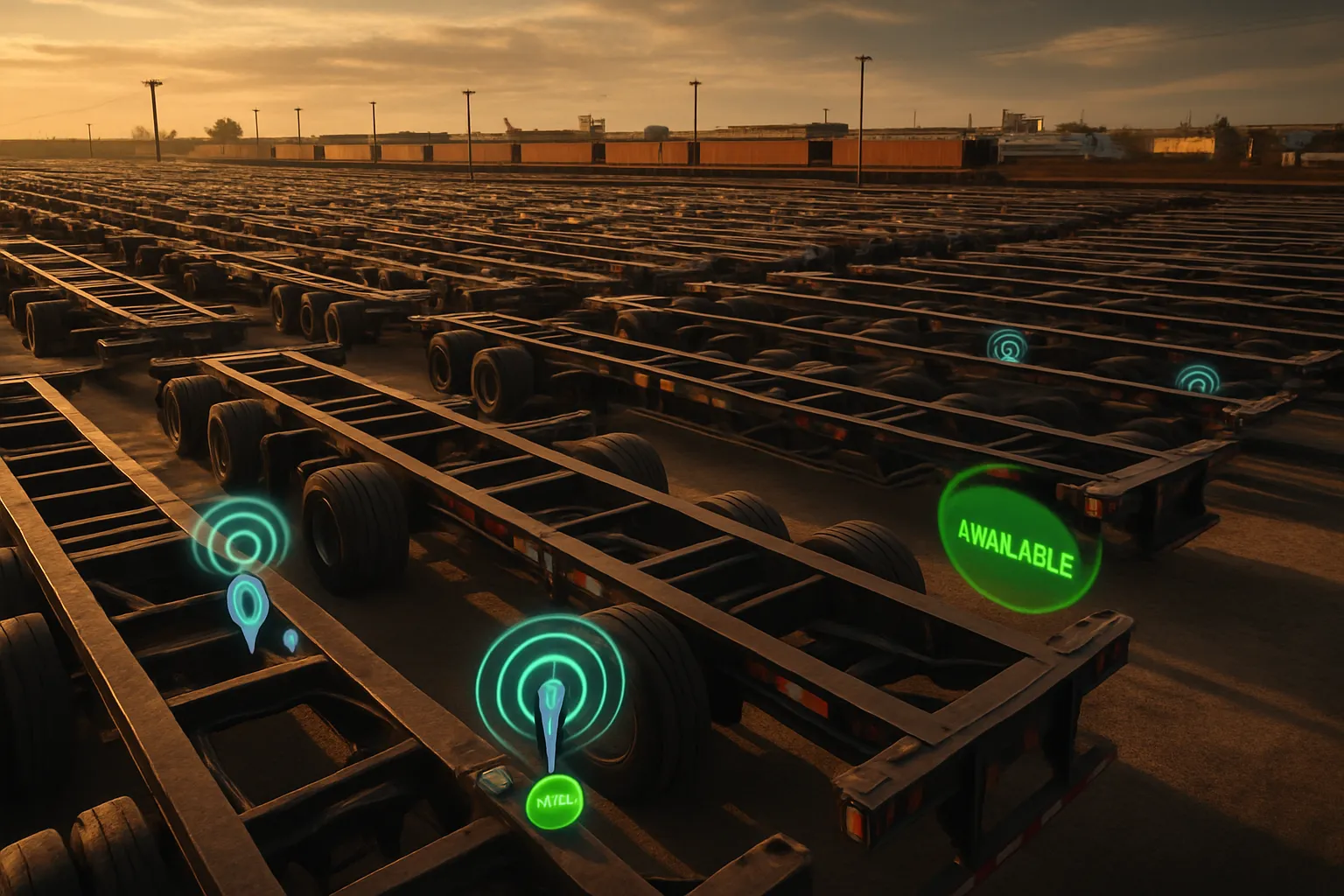
Intermodal Chassis Pools Go Digital: How IoT Tracking and Dynamic Pricing Transform Container Equipment Management in 2026
Intermodal chassis pools are undergoing a digital revolution in 2026. Learn how DCLI, TRAC Intermodal, and FlexiVan are deploying GPS tracking, IoT sensors, and dynamic pricing to solve chronic chassis shortages that add days to drayage transit times.
CXTMS InsightsMarch 24, 2026 · 7 min read