Infrastructure
30 posts tagged with “Infrastructure”

Mexico's $2.2 Billion Oaxaca Program Needs One Project-Logistics Dependency Map
A project-logistics dependency map can keep Oaxaca's road, bridge, airport, and rural infrastructure projects from competing for scarce transport capacity.
 CXTMS InsightsAugust 9, 2026 · 6 min read
China State-Backed Project Acceleration Turns Infrastructure Materials Into Priority Freight
China's push to accelerate state-backed projects makes infrastructure materials a priority freight problem for industrial shippers, suppliers, and project logistics teams.
CXTMS InsightsJuly 19, 2026 · 6 min read
Savannah's Brampton Road Connector Makes Port Drayage a Roadway-Design Problem
Savannah's Brampton Road Connector shows why port drayage visibility now has to account for roadway design, rail crossings, appointment buffers, and inland routing rules.
CXTMS InsightsJuly 15, 2026 · 6 min read
The Gordie Howe Bridge Turns Border Crossing Time Into a Network Design Variable
The Gordie Howe International Bridge gives Detroit-Windsor freight teams a second crossing, new capacity, and a reason to treat border time as structured network data.
CXTMS InsightsJuly 14, 2026 · 6 min read
Power and Utility Supply Chains Need Outage-Critical Freight Classification
Utility supply chains need a freight classification model that separates outage-critical grid equipment from ordinary project freight.
CXTMS InsightsJuly 12, 2026 · 7 min read
FRA Track-Tech Tests Could Make Rail Reliability More Measurable Before Service Fails
FRA's expanded automated track inspection waiver and CSX's July rollout show why rail infrastructure signals should become part of shipper reliability scorecards.
CXTMS InsightsJune 21, 2026 · 7 min read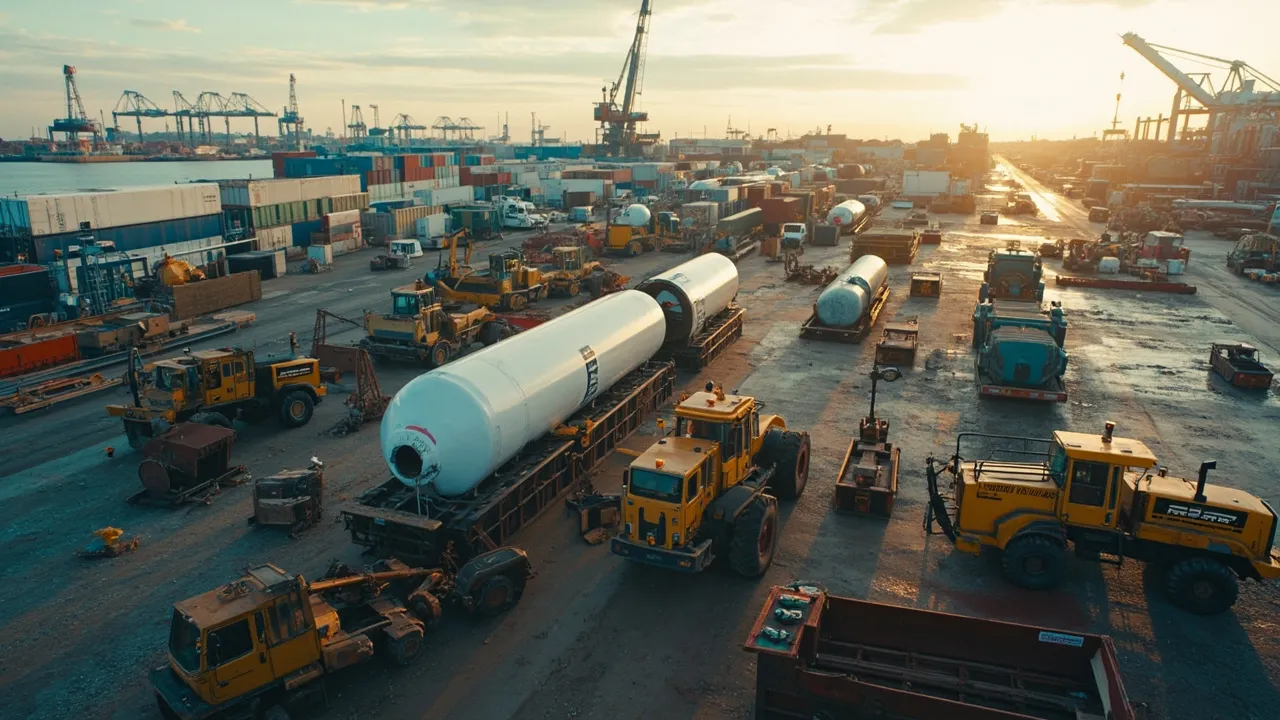
Project Logistics Needs Better Drayage Planning Before the Next Infrastructure Wave Hits
Infrastructure, energy, and industrial projects are raising the stakes for project logistics. Better drayage planning is becoming the difference between controlled execution and expensive milestone slips.
CXTMS InsightsJune 11, 2026 · 7 min read
Freight Infrastructure Funding Is Becoming a Grant-Readiness Problem for Supply Chains
Federal freight policy is putting ports, hubs, and industrial corridors back in the funding conversation. Supply chains that can prove delay, volume, safety, and resilience impacts will be better positioned.
CXTMS InsightsJune 7, 2026 · 7 min read
Data Center Construction Is Turning Flatbed Freight Into a Strategic Capacity Market
AI data center construction is creating a new flatbed freight demand pocket, forcing shippers to manage heavy-haul capacity, permits, milestones, and exception visibility like strategic infrastructure work.
CXTMS InsightsJune 5, 2026 · 6 min read
Port Houston’s Bayport Grant Shows the Next Port Bottleneck Is Truck Flow
Port Houston’s Bayport Container Terminal grant shows why port capacity planning now depends on truck gates, drayage reliability, and inland handoff discipline.
CXTMS InsightsJune 5, 2026 · 6 min read