food logistics
60 posts tagged with “food logistics”
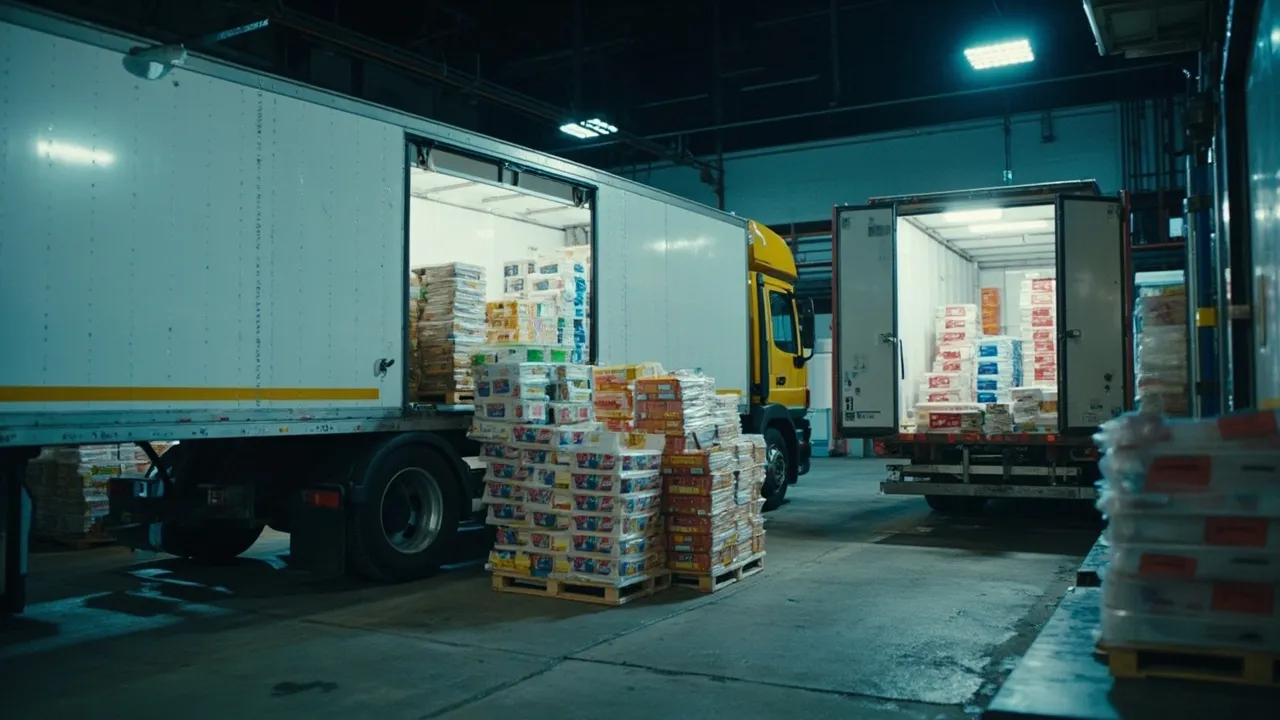
Cold Chain Co-Loading Works Only When Customer Custody Stays Visible
Cold chain co-loading can improve truck and warehouse utilization, but only when ownership, temperature, shelf life, claims and delivery evidence remain visible.
 CXTMS InsightsJuly 29, 2026 · 6 min read
Conagra’s $125 Million Resilience Plan Needs Operational Gates, Not One Big Capex Number
Conagra’s $125 million supply chain investment can deliver resilience if capital is released against measurable capacity, reliability, inventory, and service outcomes.
CXTMS InsightsJuly 28, 2026 · 6 min read
Food-Plant Industrial Intelligence Must Join Maintenance Risk to Compliance Data
Food processors need industrial intelligence that connects equipment health to food safety, inventory holds, transportation priorities, and auditable human decisions.
CXTMS InsightsJuly 28, 2026 · 6 min read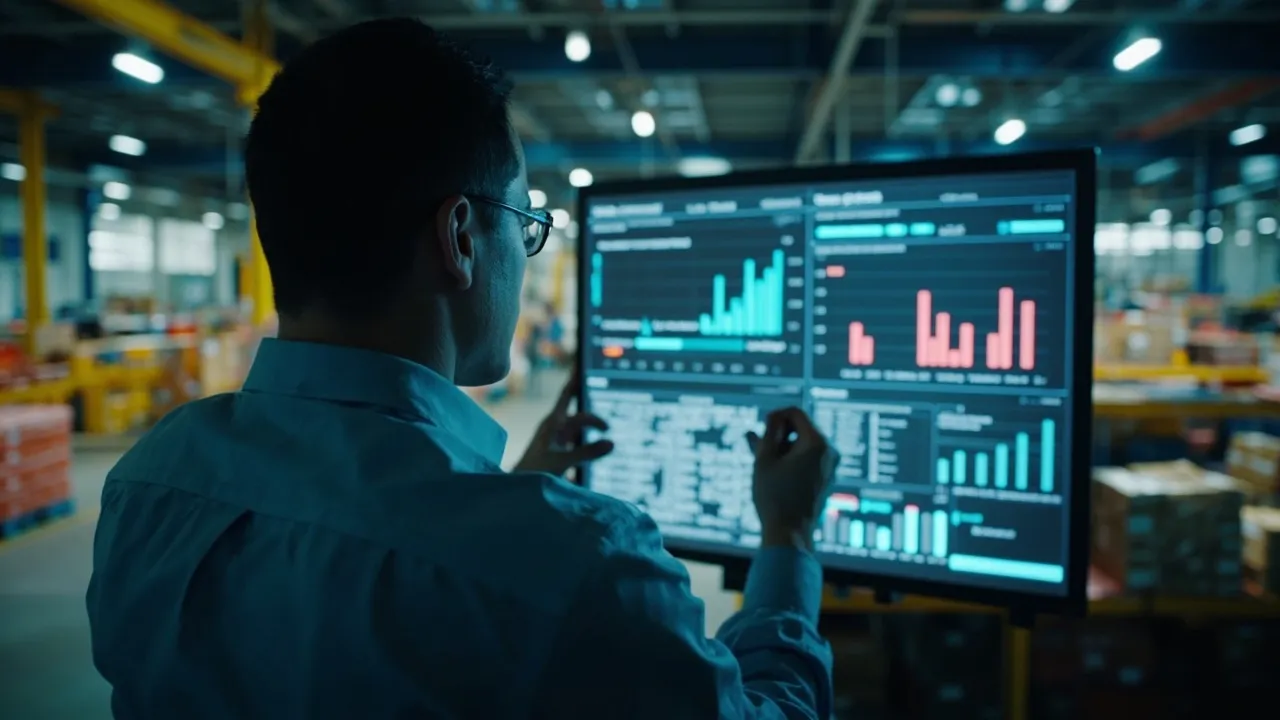
J.M. Smucker’s Supply Chain Leadership Change Needs a 90-Day Operating Baseline
A practical 30/60/90-day operating baseline for supply chain leaders taking responsibility for manufacturing, planning, logistics, inventory, and service.
CXTMS InsightsJuly 28, 2026 · 6 min read
Cold Chain Complexity Is Now an Integration Problem Between Tools, Teams, and Handoffs
Cold chain resilience depends on connecting temperature, dwell, quality, appointment, and custody events so teams can act before an excursion becomes a loss.
CXTMS InsightsJuly 27, 2026 · 5 min read
Dairy Ransomware Turns Production Outages Into Replenishment Risk
A ransomware outage at a major dairy producer shows why food logistics teams need production, cold-chain, lot, and replenishment records tied to transportation execution.
CXTMS InsightsJuly 21, 2026 · 7 min read
Marzetti's New CSCO Role Shows Food Brands Need Acquisition-Ready Supply Chain Playbooks
Marzetti's new CSCO role shows why food-brand acquisitions need a live logistics playbook for SKUs, traceability, temperature control, and service rules.
CXTMS InsightsJuly 18, 2026 · 6 min read
McCormick's Tariff Refund Shows Food Importers Need a Landed-Cost Shock Register
McCormick's $28 million tariff refund shows why food importers need shipment-level landed-cost evidence across duties, freight premiums, refunds, and margin exposure.
CXTMS InsightsJuly 7, 2026 · 7 min read
Food Traceability Is Moving From Static Records to Live Logistics Visibility
Food traceability is shifting from static compliance files to live logistics visibility across temperature, location, custody, delay, release, and recall workflows.
CXTMS InsightsJuly 6, 2026 · 7 min read
Del Monte's $40M Ocean Freight Headwind Shows Food Importers Need Cost Shock Controls
Del Monte's ocean freight cost warning shows why food importers need landed-cost triggers that connect freight volatility to inventory, pricing, promotions, and margin forecasts.
CXTMS InsightsJune 30, 2026 · 6 min read