E Commerce
13 posts tagged with “E Commerce”

E-Commerce Inventory Management Needs a Promise-Accuracy Ledger
A promise-accuracy ledger reconciles sellable inventory, reservations, returns, and order cutoffs before inventory errors become cancellations.
 CXTMS InsightsOctober 5, 2026 · 6 min read

Retail Replatforming Needs a Fulfillment Cutover Plan, Not Just a Commerce Migration
Build a retail replatforming cutover plan that protects inventory, orders, carrier labels, customs data, returns, and customer promises.
CXTMS InsightsOctober 4, 2026 · 5 min read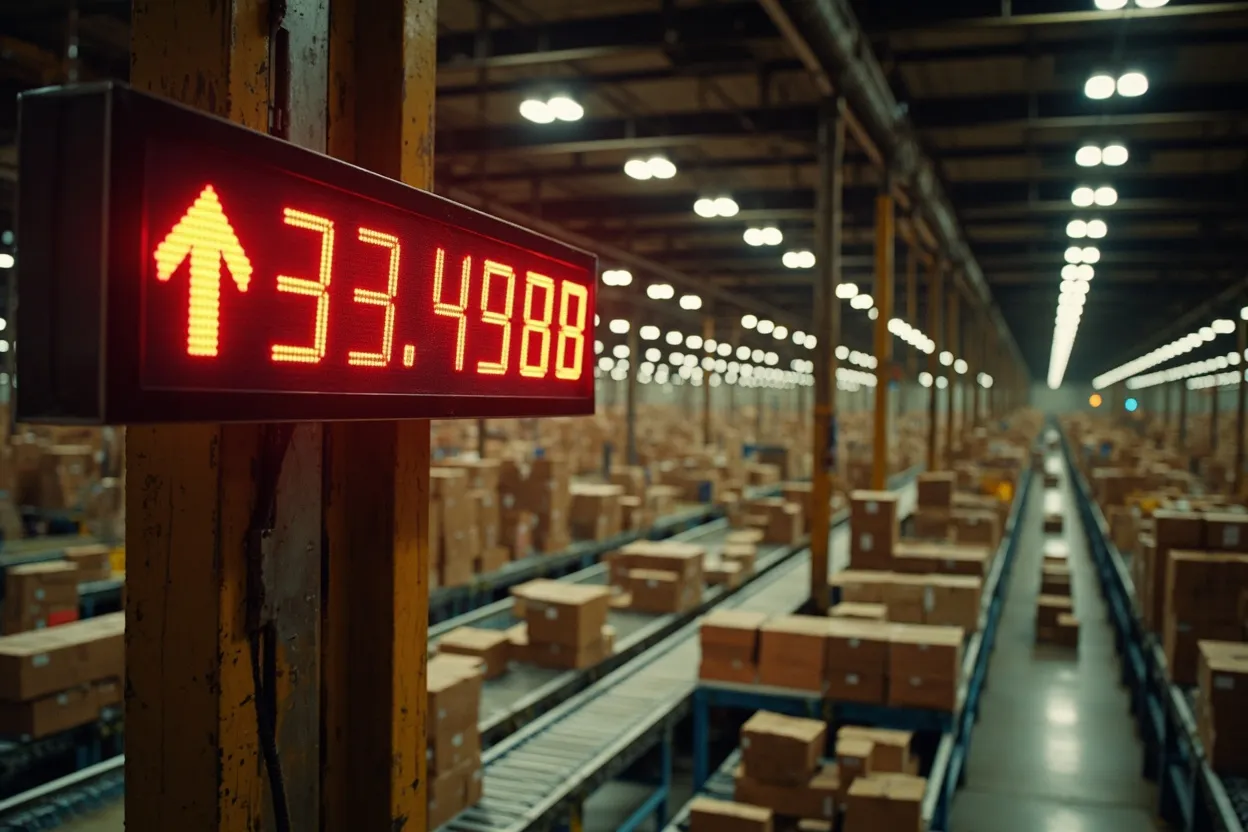
Amazon's 3.5% FBA Fuel Surcharge: How the Iran Conflict Is Forcing E-Commerce Sellers to Rethink Fulfillment Economics
Amazon's new 3.5% FBA fuel surcharge adds ~$0.17 per unit starting April 17. Here's what e-commerce sellers need to know about rising fulfillment costs and how to protect margins.
CXTMS InsightsApril 4, 2026 · 5 min read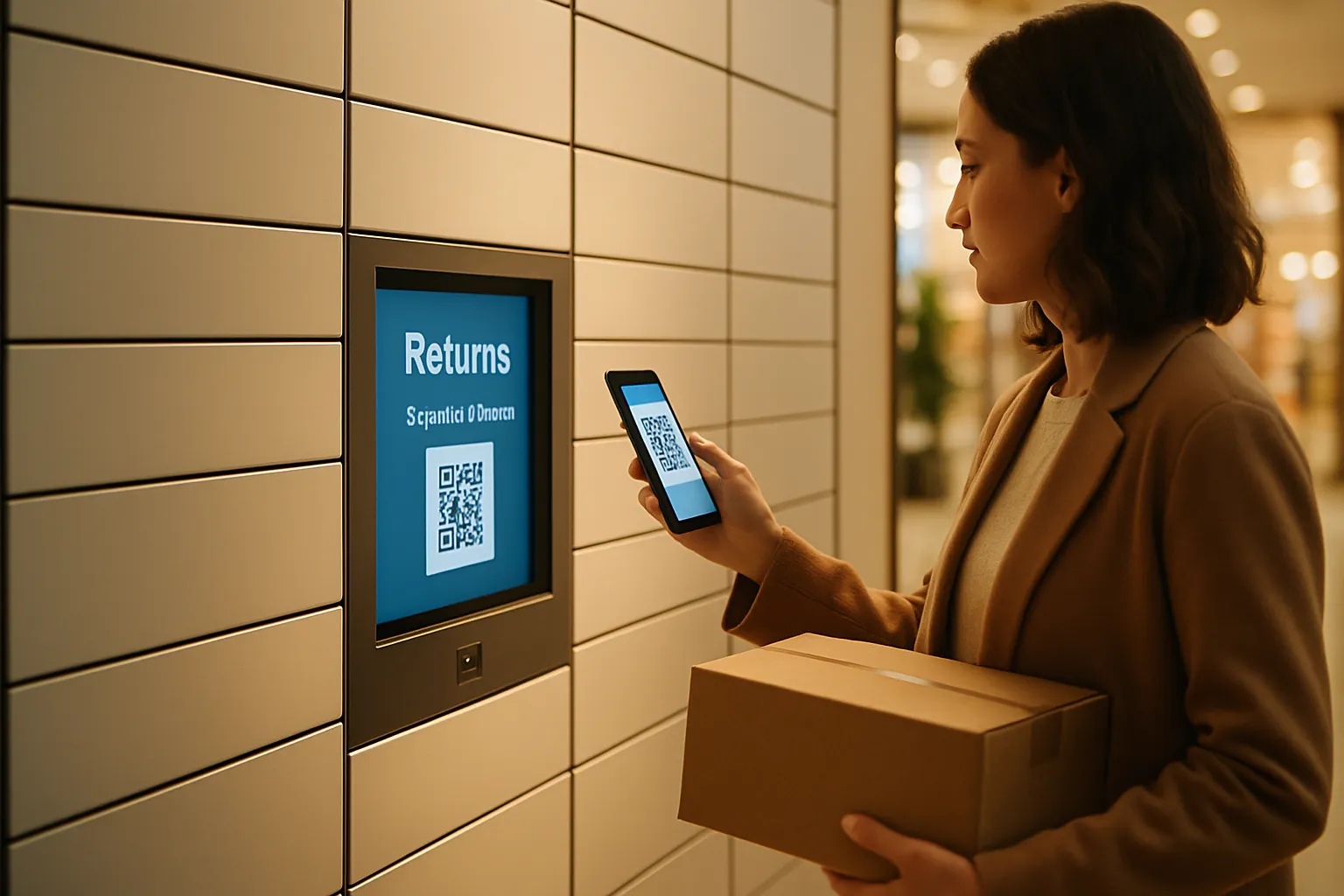
Smart Locker Return Networks: How Consolidated Drop-Off Hubs Are Slashing Last-Mile Reverse Logistics Costs
Smart locker return networks are transforming reverse logistics by consolidating drop-offs into hubs that cut last-mile return costs by up to 40%. Learn how automated return triage, route density gains, and AI-driven disposition routing are reshaping e-commerce returns in 2026.
CXTMS InsightsMarch 23, 2026 · 8 min read
Hyperlocal Same-Day Delivery Economics: How Sub-60-Minute Fulfillment Is Creating a New Competitive Tier in Last-Mile Logistics
Sub-60-minute hyperlocal delivery is reshaping last-mile logistics economics. Learn how geographic density, dark stores, and AI routing are making ultra-fast fulfillment profitable — and what shippers need to know about the new competitive tier emerging in 2026.
CXTMS InsightsMarch 22, 2026 · 7 min read
JD.com Launches Joybuy in Europe With 60 Warehouses: How Asset-Heavy Chinese E-Commerce Is Disrupting European Last-Mile Logistics
JD.com launched Joybuy across six European countries with 60 warehouses, its own last-mile fleet, and same-day delivery — a radical departure from asset-light Chinese e-commerce. Here's what it means for European logistics and supply chain strategy.
CXTMS InsightsMarch 22, 2026 · 6 min read
Reverse Logistics Now Costs 2-3x Forward Shipping: Why the Return-Cost Gap Is Forcing Brands to Rethink Product Design and Fulfillment Architecture
Reverse logistics costs 2-3x more than forward shipping, with $849.9 billion in U.S. retail returns projected for 2025. Learn why the return-cost gap is forcing brands to redesign products and rethink fulfillment architecture.
CXTMS InsightsMarch 22, 2026 · 7 min read
Cross-Border DTC Fulfillment Networks: How E-Commerce Brands Are Building Regional Micro-Hubs to Cut International Delivery Times by 60%
DTC brands expanding internationally are abandoning the single-warehouse model in favor of distributed micro-fulfillment hubs that slash delivery times from weeks to days. Here's how regional network strategy is reshaping cross-border e-commerce logistics in 2026.
CXTMS InsightsMarch 16, 2026 · 9 min read
E-Commerce Platforms Are Taking Over Last-Mile Carrier Selection: What It Means for Independent Shippers
E-commerce platforms like Amazon and Allegro are tightening control over carrier selection and building proprietary delivery networks. Here's what independent shippers need to know to maintain carrier diversity in 2026.
CXTMS InsightsFebruary 27, 2026 · 5 min read
AI Packaging Optimization: How Machine Learning Is Eliminating Dimensional Weight Penalties and Cutting Shipping Costs by 20%
Discover how AI-powered packaging optimization and cartonization algorithms are helping shippers eliminate dimensional weight surcharges and reduce parcel shipping costs by 15-25% in 2026.
CXTMS InsightsFebruary 26, 2026 · 6 min read