Cargo Theft
12 posts tagged with “Cargo Theft”

Freight Policy After the Election: Put Cargo-Theft Legislation on the 2027 Risk Calendar
Cargo-theft legislation faces a transition in Washington. Freight teams should use the uncertainty to strengthen carrier identity, tender controls, and regulatory ownership for 2027.
 CXTMS InsightsNovember 8, 2026 · 6 min read

High-Value Cargo Theft Is Rising: Build a Redirect-Approval Control
Cargo thieves are stealing fewer but more valuable loads. A structured redirect-approval control can stop fraudulent changes before freight moves.
CXTMS InsightsNovember 2, 2026 · 6 min read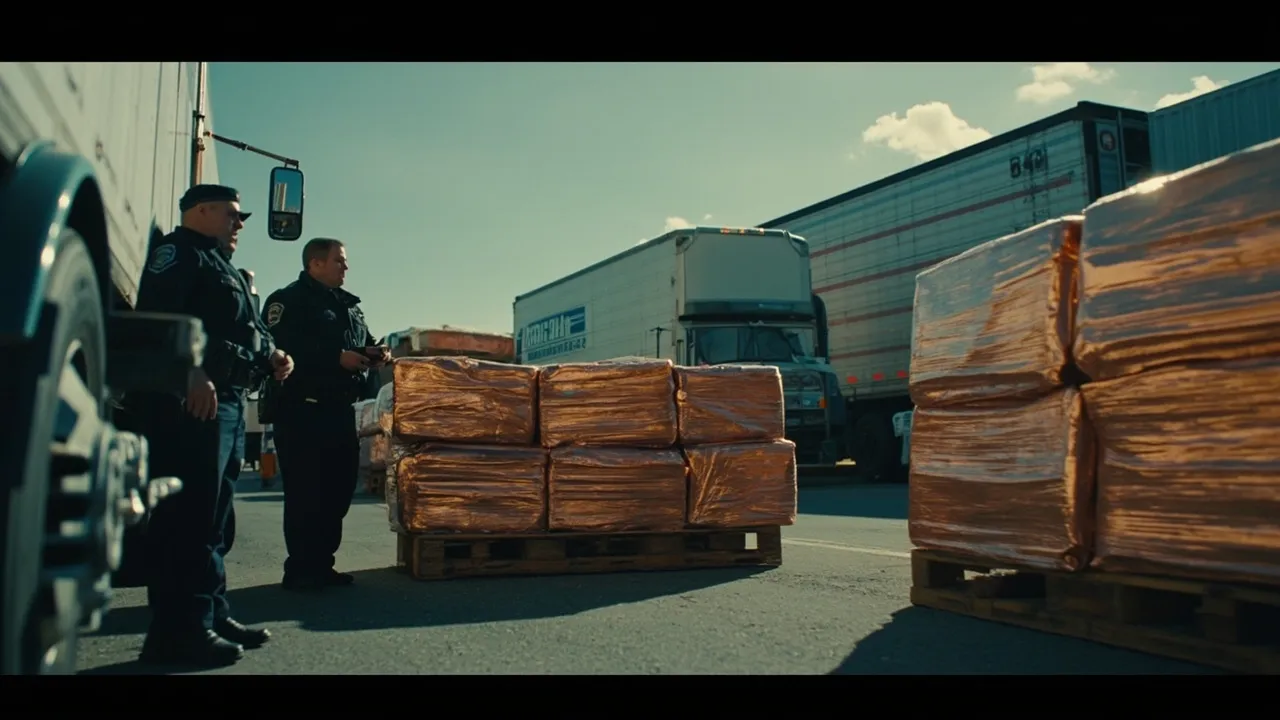
The $586,000 Copper Load Recovery: An Eight-Hour Carrier-Impersonation Response Plan
Turn an eight-hour recovery of a $586,000 copper shipment into a practical carrier-impersonation response plan for brokers, shippers and security teams.
CXTMS InsightsSeptember 16, 2026 · 6 min read
Cargo Theft Risk Rises When Terminals Slow: Create a Dwell-Time Security Trigger
Turn terminal delays and shipment dwell into a practical cargo-theft risk score that triggers secure parking, escorts, and accelerated pickup.
CXTMS InsightsSeptember 8, 2026 · 6 min read
Pabst’s 40,000-Pound Beer Theft: Securing High-Volume Food and Beverage Loads
A 40,000-pound beer theft shows how food and beverage shippers can strengthen pickup verification, trailer security, geofencing, and incident response.
CXTMS InsightsSeptember 1, 2026 · 6 min read
The $2M Nike Label Diversion Case Makes Shipping-Label Authority a Warehouse Control
The alleged diversion of $2 million in Nike products shows why label creation, reprints, destination changes, and parcel manifests need enforceable warehouse controls.
CXTMS InsightsJuly 23, 2026 · 6 min read
CORCA Turns Cargo Theft Reporting Into a Transportation Data Problem
CORCA's move to the Senate shows why cargo theft reporting depends on cleaner shipment records, carrier identity proof, handoff evidence, and claims-ready data.
CXTMS InsightsJuly 6, 2026 · 6 min read
Mexico Cargo Theft Is Falling, but Cross-Border Risk Is Getting More Dangerous
Mexico cargo theft investigations are down in 2026, but deadlier attacks on truckers make cross-border freight risk a lane-level operating problem.
CXTMS InsightsJuly 6, 2026 · 6 min read
Cargo Theft Is Turning Into an Execution Problem, Not Just a Security Problem
Cargo theft is moving from trailer break-ins to deceptive pickups, identity fraud, and execution failures. Freight teams need controls inside daily shipment workflows.
CXTMS InsightsMay 24, 2026 · 6 min read
The Trojan Driver Scam Shows Freight Fraud Has Moved Inside Legitimate Carrier Networks
Trojan Driver cargo theft schemes show why carrier verification must move beyond authority checks into dynamic dispatch, driver, and pickup controls.
CXTMS InsightsMay 16, 2026 · 6 min read