automation
61 posts tagged with “automation”
Customs Clearance Automation: How Digital Pre-Arrival Processing Is Cutting Days Off Your Supply Chain
Pre-arrival digital submission is transforming customs clearance from a multi-day bottleneck into a matter of hours. Here's what the 2026 data shows—and what shippers must do to capture the speed benefit.
 CXTMS InsightsApril 30, 2026 · 7 min read
Siemens and KION Just Made the Strongest Case Yet for Software-Defined Intralogistics
The Siemens-KION partnership is a sharp signal that warehouse modernization is moving beyond isolated hardware buys toward software-defined intralogistics built on orchestration, visibility, and coordinated automation.
CXTMS InsightsApril 21, 2026 · 6 min read
GXO's North America Expansion: How Reshoring and Tariff-Driven Demand Are Fueling 3PL Automation Growth in 2026
GXO Logistics is positioning North America as its central growth engine in 2026, betting that reshoring, tariff-driven supply chain redesign and accelerating automation will fuel margin expansion and free cash flow gains.
CXTMS InsightsApril 5, 2026 · 5 min read
Self-Healing Supply Chains Meet Autonomous Operations: How AI Agents Are Running Supply Chains Without Human Intervention in 2026
Explore how self-healing supply chains powered by autonomous AI agents are revolutionizing logistics operations in 2026, with real data on productivity gains and automation rates.
CXTMS InsightsApril 5, 2026 · 8 min read
The 86% AI Adoption Milestone in Physical Operations: How the A3 Survey Reshapes Logistics Hiring and Training Strategy
86% of employers now prioritize AI and robotics as transformation levers. Here's how the A3 automation data reshapes logistics hiring and training.
CXTMS InsightsMarch 25, 2026 · 7 min read
AI-Native Supply Chain Operating Systems: Why BackOps' $26M Raise Signals a New Platform Category
BackOps just raised $26M to build an AI-native operating system for supply chains. Here's why this signals the emergence of a new platform category — and what mid-market shippers should know about the shift from bolt-on AI to built-in intelligence.
CXTMS InsightsMarch 17, 2026 · 7 min read
MODEX 2026 Shipper's Preview: 7 Material Handling Innovations That Will Reshape Your Warehouse Strategy
MODEX 2026 brings 1,060+ exhibitors and 220 innovation entries to Atlanta this April. Here are the 7 material handling breakthroughs shippers need on their radar—from AI-powered wearables to autonomous loading robots.
CXTMS InsightsMarch 17, 2026 · 6 min read
Generative AI Transforms Logistics Customer Service: How Autonomous Support Agents Handle 70% of Shipper Inquiries Without Human Intervention
Freight customer service teams drown in repetitive WISMO calls, rate quote requests, and claims follow-ups. Generative AI support agents now resolve 70% of shipper inquiries autonomously — slashing hold times, cutting operational costs, and freeing human agents for the exceptions that actually need judgment.
CXTMS InsightsMarch 16, 2026 · 8 min read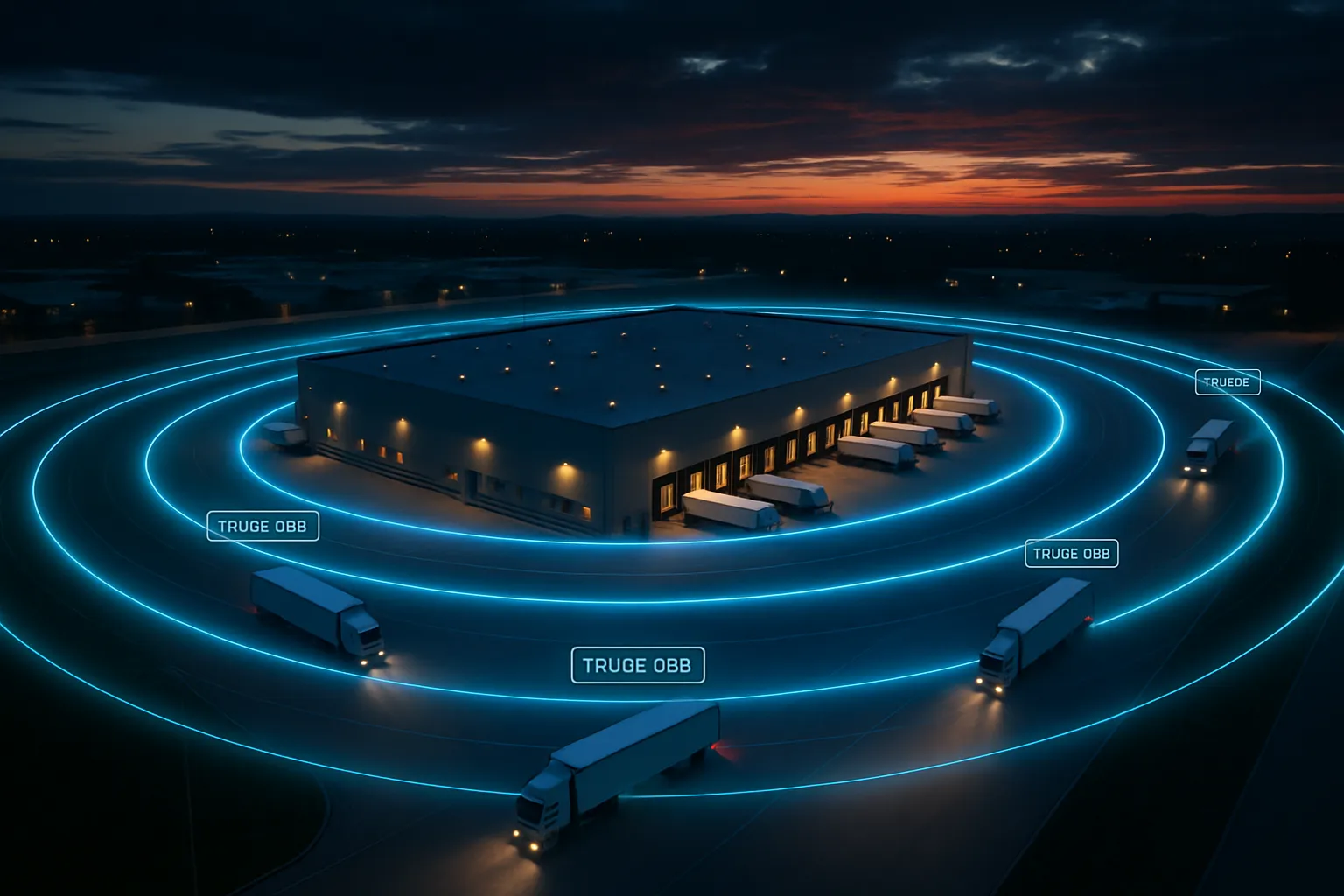
Geofencing Transforms Fleet Management: How Location-Based Automation Is Triggering Real-Time Logistics Workflows in 2026
Geofencing has evolved from simple GPS dots on a map to event-driven automation that triggers dock check-ins, detention clocks, and customer alerts the moment a truck crosses a virtual boundary. Here's how location-based automation is reshaping fleet management in 2026.
CXTMS InsightsMarch 16, 2026 · 8 min read
Supply Chain Contract Lifecycle Management: How CLM Platforms Are Reducing Freight Procurement Cycle Times by 70% in 2026
Manual freight contract management costs shippers weeks of cycle time and millions in leaked savings. CLM platforms powered by AI are compressing procurement cycles by 70% while catching the compliance gaps that spreadsheets miss.
CXTMS InsightsMarch 16, 2026 · 8 min read