Supplier Human Rights Data: Turn Mock Detentions Into Shipment-Release Controls

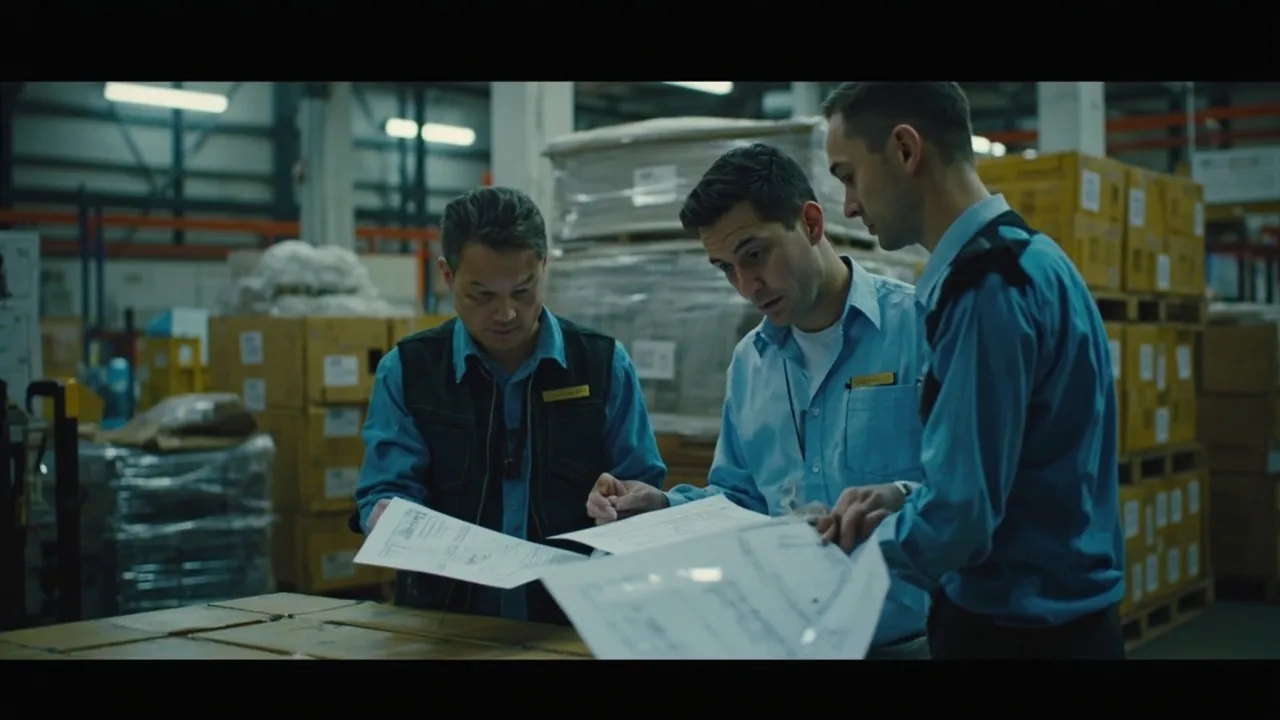
Supplier human rights compliance fails when it lives in a spreadsheet that nobody checks before freight moves. A supplier may have passed an annual audit, yet the business still cannot prove where a shipment's cotton, rubber, leather, or synthetic material originated when customs asks. The operational question is not whether a policy exists. It is whether the evidence for a specific purchase order can be assembled accurately, consistently, and fast enough to release the cargo.
Brooks Running offers a useful model. The company conducts an annual full-product traceability exercise that simulates the compressed timeline of a regulatory inquiry. According to Supply Chain Dive, Brooks also asks Tier 1 and Tier 2 suppliers twice a year to disclose Tier 3 and Tier 4 sources and provide records showing material origin, handling, and movement. The mock exercise shortens that normal response window to test whether the network can perform under detention pressure.
That distinction matters. A mock detention is not another document collection campaign; it is a stress test of the company's shipment-release system.
Measure whether evidence can survive a real hold
Brooks tracks three practical outcomes: how deeply suppliers disclose the chain to raw materials, whether they submit the minimum documents connecting disclosed parties, and how quickly they respond. Since launching the exercise in 2024, the company reports an 83% reduction in supplier response time, a 25-percentage-point increase in raw-material-level disclosure, and a 43-percentage-point increase in minimum document submission.
Those gains show why a time-bound simulation is more revealing than a static supplier questionnaire. A factory might name its upstream sources but still lack invoices that connect a material lot to a finished product. Another supplier might have the documents but take weeks to retrieve them from email threads and local drives. Both weaknesses become costly when a container is stopped.
The regulatory exposure is real. Reuters reported that U.S. shipments stopped under forced-labor enforcement totaled $187.7 million in 2025, after reaching $1.78 billion in 2024. Enforcement volume can change, but the underlying burden remains: importers must be able to rebut forced-labor concerns with credible supply-chain evidence rather than broad assurances.
Connect human rights records to the shipment
A useful evidence model begins with the commercial movement and works backward. For each purchase order and shipment, compliance teams should be able to retrieve:
- Finished-product SKU, quantity, production date, and factory
- Material type, batch or lot, country and region of origin
- Every disclosed processor, mill, trader, and raw-material source
- Purchase orders, invoices, packing lists, transport records, and receiving records linking each handoff
- Labor-risk screening results, audits, findings, corrective actions, and closure evidence
- Document owner, collection date, validation status, and expiration date
The links between records are as important as the records themselves. Ten valid invoices do not establish traceability if they cannot be reconciled by lot, quantity, date, and counterparties. A TMS should therefore preserve identifiers that connect the supplier's evidence package to the inbound booking, container, bill of lading, and customs entry.
This also makes gaps visible before departure. If a material lot changes after the initial purchase order, the replacement should trigger a new evidence check. If one container combines products from several factories, every product-material path needs coverage. If reported quantities do not reconcile across two handoffs, the discrepancy must remain open rather than disappearing inside a PDF archive.
Create release gates, not passive alerts
Supplier data becomes operational only when it can control movement. A shipment-release workflow should contain explicit gates at production approval, booking, origin handoff, and customs filing. Each gate needs a small set of machine-readable states: complete, incomplete, contradictory, expired, or under review.
For low-risk, fully documented shipments, the system can clear the gate automatically. Missing transaction records or an undisclosed upstream party should block release and route the case to a named compliance owner. Contradictory origin data should receive the highest escalation because it may undermine the entire chain of custody. A temporary exception, if company policy permits one, should identify who approved it, the reason, its expiration, and the evidence still required.
Decision rights must be defined before a crisis. Procurement owns supplier follow-up; compliance determines evidence sufficiency; logistics prevents tender or handoff; and legal decides how to respond to a government inquiry. Without that separation, operational pressure can turn a compliance hold into an informal email override.
Production approval is another useful control point. Brooks grants approval only after confirming that suppliers comply with its standards, and it conducts quarterly screenings across known supply-chain levels. Significant risks that cannot be remediated can end the commercial relationship. This connects responsible sourcing to sourcing decisions rather than treating it as a post-purchase reporting task.
Run the exercise like an operational drill
A strong mock detention selects actual styles and shipments, starts an unannounced clock, and asks the team to assemble a regulator-ready file. Test at least one complex product with multiple materials and one shipment with a recent supplier or lot change.
Score the exercise on four dimensions:
- Coverage: percentage of material value and volume traced to raw-material origin.
- Continuity: percentage of handoffs supported by reconcilable transaction documents.
- Speed: elapsed time from request to validated evidence package.
- Resolution: percentage of identified gaps closed by the agreed deadline.
The results should feed supplier scorecards and corrective-action plans. A separate Supply Chain Dive analysis of supplier scorecards notes that Brooks evaluates Tier 1 and Tier 2 footwear vendors across eight categories, including responsible sourcing and sustainability. Combining traceability-drill performance with quality, service, and delivery metrics gives procurement a more complete picture of supplier readiness.
Make the audit trail usable
The goal is not to move every compliance document into the TMS. It is to make the TMS the operational index: the place where a shipment's evidence status, source-system links, approvals, exceptions, and release decision remain attached to the freight record. Specialized traceability or screening platforms can continue to hold detailed supplier information while integration passes validated status and key identifiers into transportation workflows.
That approach prevents two dangerous versions of truth—one in compliance and another in logistics. It also creates a defensible timeline showing what the company knew, who reviewed it, and why a shipment moved or stopped.
Mock detentions turn human rights due diligence from an annual assertion into a repeatable operating capability. The companies that practice retrieving evidence, reconcile it to real freight, and enforce release gates will be better prepared when the next request is not a drill.
Ready to connect supplier compliance evidence with shipment execution? Request a CXTMS demo to see how configurable workflows, document controls, and exception management can support a stronger release process.