Suez Service Resumption Needs a Sailing-Level Route Qualification Gate

A carrier's decision to restore a service through the Suez Canal is an important network signal. It is not, by itself, a reason to move every eligible shipment back from the Cape of Good Hope.
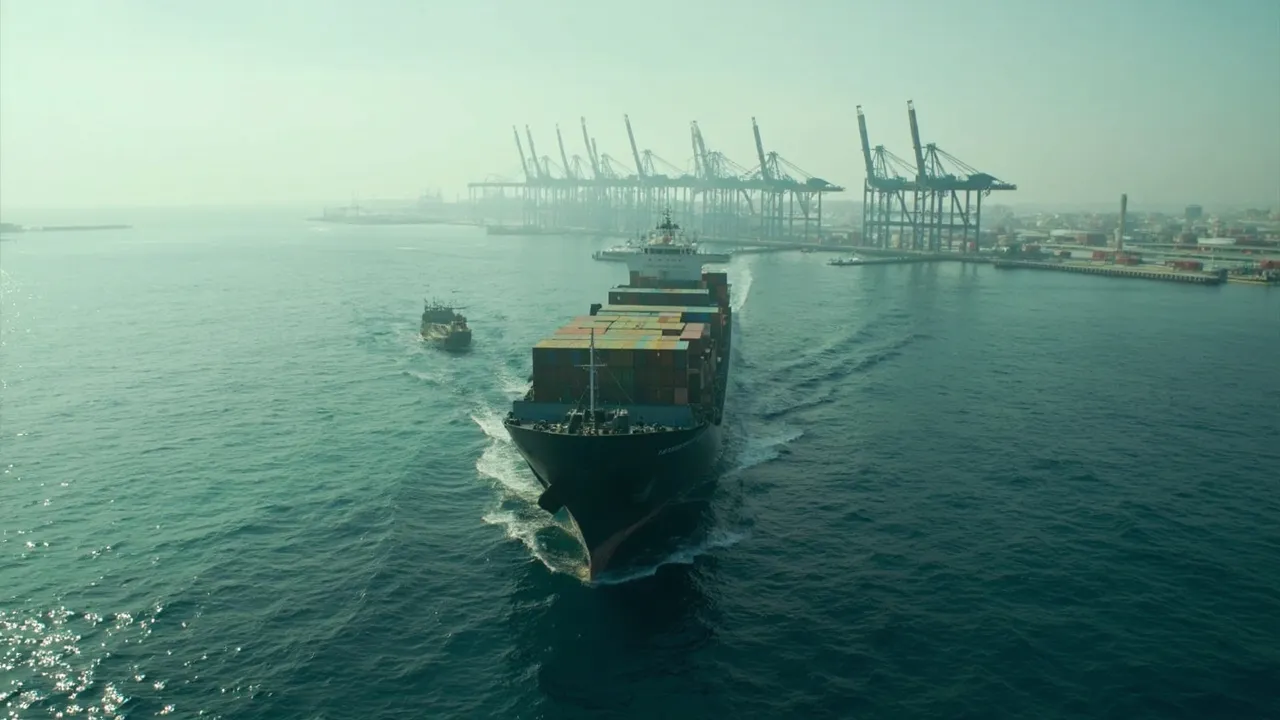
That distinction matters as Suez services return unevenly. Reuters reported on November 2 that Maersk planned to resume Suez sailings on another container service. The development adds confidence to the route's recovery, but a service announcement describes a network decision—not the risk profile of every vessel, departure, booking, or cargo category.
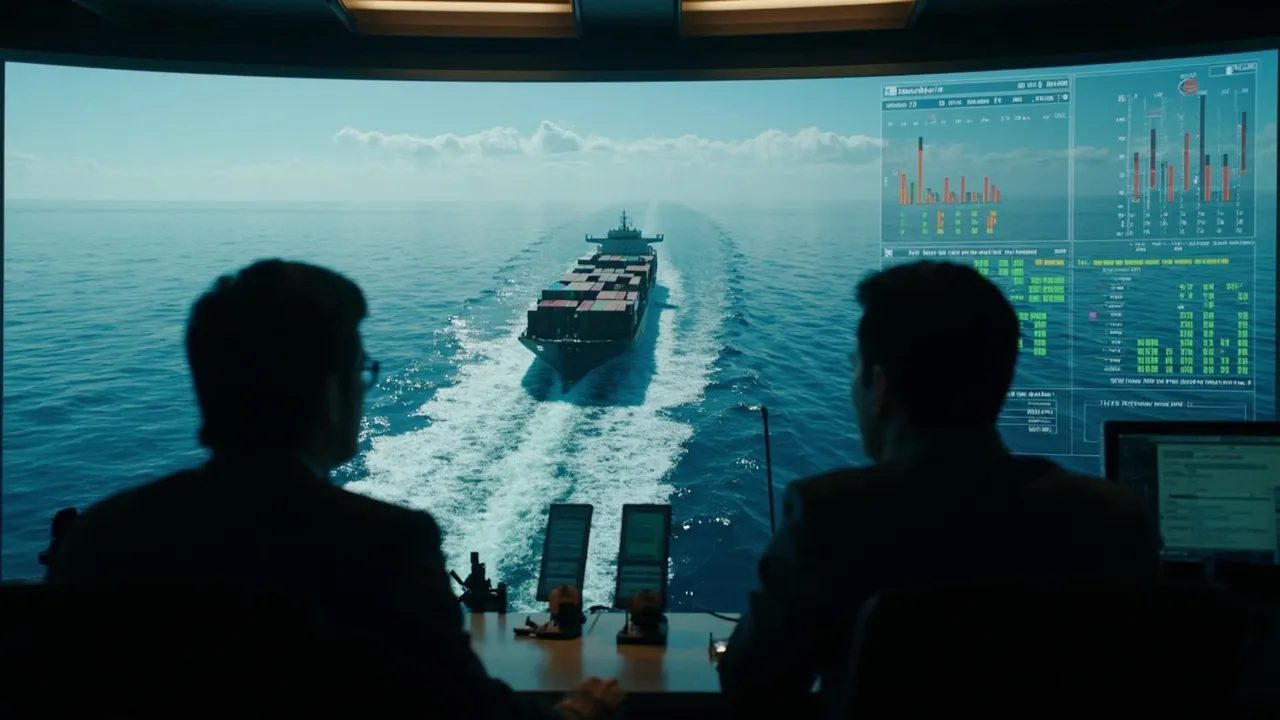
For shippers and forwarders, the right operating unit is the sailing. Each departure should pass a route qualification gate before cargo is committed.
The transit-time prize is real
The economic case for Suez is compelling. The canal historically handled an estimated 10% to 15% of global maritime trade, according to Logistics Management. Diverting around the Cape adds distance, fuel consumption, vessel days, and schedule complexity across a large share of Asia-Europe and Asia-U.S. East Coast trade.
The benefit is also visible at service level. FreightWaves reported that a restored Suez routing reduced the advertised Nhava Sheva-to-Savannah transit to 28 days, a saving of 10 to 14 days compared with the Cape route.
Those days can reduce inventory in transit, working-capital exposure, demurrage risk, and the need for expensive airfreight recovery. But advertised transit time is only one input. A shorter plan with a high probability of interruption may produce a worse customer outcome than a longer, stable route.
Qualify five dimensions for every sailing
A practical qualification gate should compare the proposed Suez sailing with the best Cape alternative across five dimensions.
1. End-to-end transit time
Measure port-to-port time and the full door-to-door plan. Include origin cutoff, berth windows, transshipment dwell, inland connections, and destination delivery capacity. Record the expected saving as a range rather than a single number. If Suez saves 12 sailing days but creates a three-day transshipment mismatch, the operational gain is nine days—not 12.
2. Insurance and total landed cost
Confirm war-risk terms, cargo exclusions, deductibles, and any voyage-specific premium before approval. Compare the complete cost of both options: ocean rate, surcharges, insurance, inventory carrying cost, buffer stock, and likely recovery expense. A lower freight rate can be misleading if a disruption leaves the shipper paying for airfreight or a production stoppage.
3. Schedule reliability
Do not substitute a carrier-wide reliability score for evidence about the specific loop. Track the last several completed voyages, actual-versus-planned arrival variance, skipped calls, blank sailings, and changes issued after booking. Early return sailings may have too little history to support a broad rollout, which is a reason to pilot—not necessarily reject—the route.
4. Transshipment exposure
Count every handoff and assess the consequence of a missed connection. A direct Suez service may be attractive even with limited operating history. A nominally faster itinerary with two transshipments can lose its advantage after one rollover. High-value, temperature-sensitive, seasonal, or production-critical cargo deserves a stricter threshold than replenishment freight with adequate buffer stock.
5. Recovery options
Identify the fallback before accepting the primary route. Can the container move on the next sailing? Is another gateway available? Is there an air-sea or rail alternative? Who can authorize added cost outside business hours? A route is not resilient merely because it is currently open; it is resilient when the team can act quickly if conditions change.
Use thresholds, not blanket policy
The safest return is a controlled lane-by-lane migration. A useful initial gate could require:
- a minimum seven-day expected door-to-door saving;
- written confirmation that insurance coverage and premiums remain within the shipment's approved cost band;
- no more than one transshipment for time-critical cargo;
- a documented recovery route and decision owner;
- stable execution across three consecutive sailings before expanding volume; and
- no unresolved security advisory that exceeds the company's risk tolerance.
These thresholds should vary by cargo. Low-value, non-urgent freight may justify an earlier pilot. Critical components with no inventory buffer may remain on the most predictable option until several voyages establish a reliable pattern.
Start with a small allocation—perhaps 10% to 20% of suitable volume—then compare actual transit, variance, cost, and exceptions with the Cape control group. Increase the share only when evidence clears the agreed threshold. If reliability deteriorates, the same gate should automatically pause new Suez bookings without forcing a redesign of every lane.
Preserve the evidence behind each booking
Route decisions become difficult to audit when assumptions live in email threads and spreadsheets. A transportation management system should attach the route assessment directly to the shipment: sailing, vessel, cutoff, planned transit, insurance confirmation, security status, approval owner, fallback, and expiration date.
CXTMS gives logistics teams a structured place to retain those assumptions and approval evidence alongside each booking. When conditions change, teams can identify affected shipments, compare alternatives, and document why cargo stayed on the Cape route or returned through Suez. That creates consistency without pretending every shipment has the same risk tolerance.
Suez resumption is good news, but the headline should begin the qualification process—not replace it. Teams that evaluate individual sailings can capture shorter transit times while keeping risk decisions deliberate, reversible, and visible.
Ready to manage route approvals with shipment-level evidence? Request a CXTMS demo and see how your team can turn changing ocean conditions into controlled booking decisions.