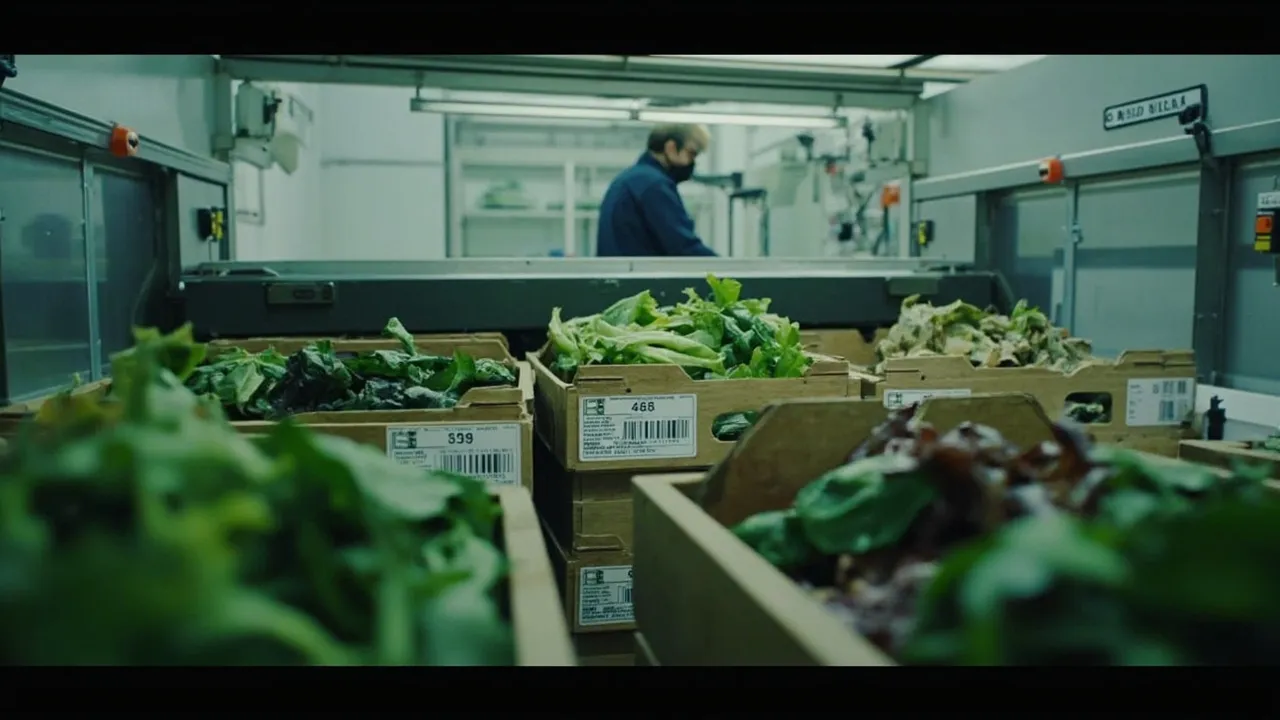
Rubber Supply Chains Face a Traceability Reckoning: Link Every Lot to Land-Use Evidence

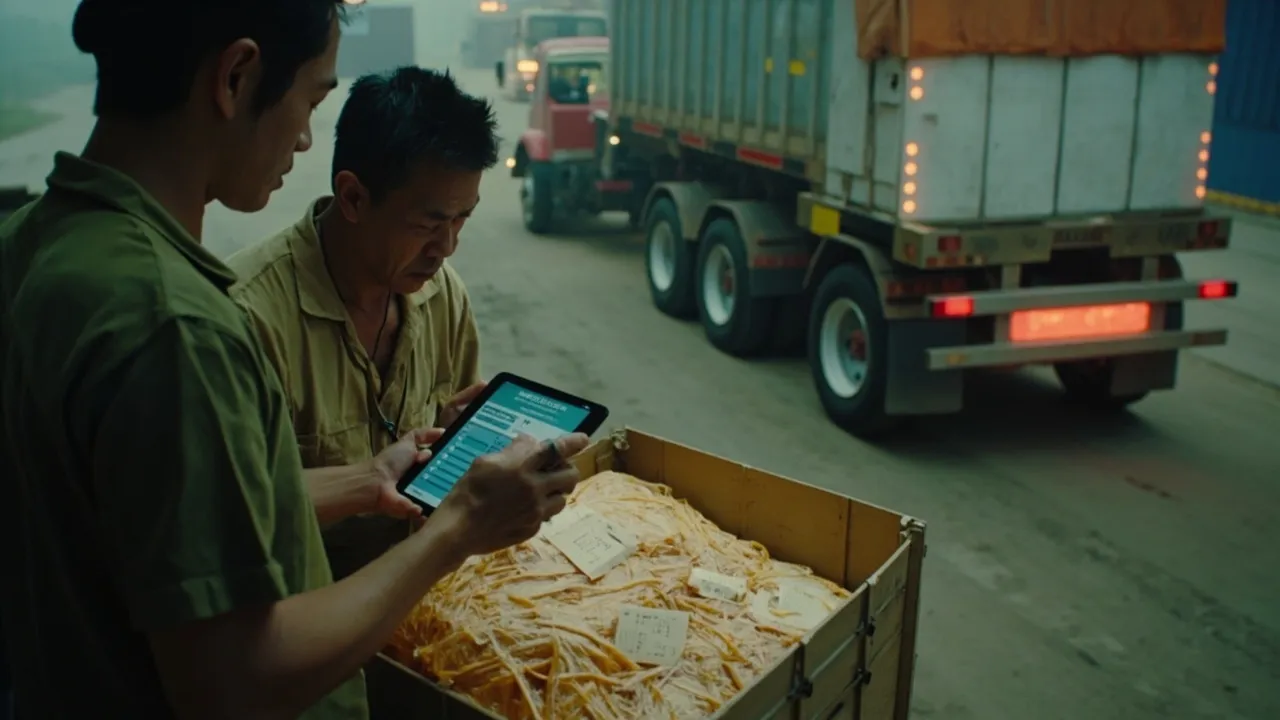
A supplier name is not proof of origin. In natural rubber, latex can move from a small farm to a local collector, cooperative, processor, trader, compounder, tire plant, and distribution network before it appears in a finished product. At every aggregation point, a credible claim depends on keeping the physical lot connected to the land-use evidence behind it.
The scale makes that difficult. Reuters reported that smallholders account for 85% of global natural rubber production. The same report said new high-resolution analysis found rubber-related forest loss in Southeast Asia could be two to three times greater than earlier estimates. In other words, the industry combines a highly fragmented production base with a material land-use risk.
Regulatory expectations are also moving beyond broad supplier assurances. SupplyChainBrain explains that EUDR compliance requires provenance data for each EU-bound delivery down to a geolocation-verified plot. A procurement policy or processor certificate may support due diligence, but neither substitutes for a documented relationship between a specific shipment and its source plots.
Start With the Smallholder Reality
Natural rubber does not enter the supply chain in neat, uniform lots. Smallholders may deliver cup lumps or latex in modest quantities to an intermediary. A collector may combine material from dozens of farms before selling it to a processing facility. The processor then grades, dries, blends, and packages rubber into commercial batches. If the first aggregation event does not record contributing farms and quantities, the downstream buyer cannot reconstruct origin from the processor's name alone.
That is why the primary traceability unit should be a lot, not a supplier. A supplier record answers who sold the material. A lot record should answer which farms contributed, when the material was received, how much each source supplied, where it was transformed, and what outbound batch inherited the evidence.
Build the Chain One Transformation at a Time
A defensible rubber provenance chain needs linked identifiers across five stages:
- Farm or plot: assign a stable producer and plot ID, capture geolocation, tenure or use rights, collection date, and the evidence used to assess land-use history.
- Collector or cooperative intake: record the contributing plot IDs, received weights, date, buyer, and intake lot. When material is combined, retain the complete contributor list rather than replacing it with the cooperative's name.
- Processing batch: connect each input lot to the processed bale or batch, including yield, grade, facility, production date, and any split or blend event.
- Manufacturing consumption: link the rubber batch to a compound, bill of materials, production run, tire SKU, or industrial product lot.
- Shipment: carry the relevant batch and product identifiers into purchase orders, packing lists, container or trailer records, and customer deliveries.
Mass balance must also make mathematical sense. The output attributed to verified input cannot exceed the eligible quantity after normal processing yield. A system should flag impossible quantities, duplicate allocation, and unexplained gains instead of allowing a sustainability claim to travel farther than the supporting material.
Score Evidence Instead of Treating It as Binary
Not all documentation has equal value. A practical evidence model can use three levels:
- Verified: plot coordinates and producer identity are complete; land-use screening is current; required legal documents are present; and lot quantities reconcile through transformation and shipment.
- Conditional: origin is known, but one element needs remediation—for example, a coordinate has low precision, a land-tenure document is near expiry, or an independent review is pending.
- Unverified: plot identity is missing, the lot was mixed with unknown material, dates conflict, quantities fail reconciliation, or the claim relies only on a supplier declaration.
The status should attach to the lot and flow downstream. Mixing one unverified input into an otherwise verified batch should create an exception for the resulting output unless a documented segregation or approved accounting method applies. The cleanest rule is simple: evidence cannot improve merely because material crossed a warehouse or changed owners.
Turn Gaps Into Managed Exceptions
Missing data should trigger a defined operational response, not a blank field. For missing geolocation, quarantine the lot from claims that require plot-level proof and assign a deadline for mapping. For mixed lots, identify all contributors and apply the lowest evidence status until the material can be segregated or reconciled. For supplier declarations without corroboration, classify the declaration as supporting evidence—not independent verification.
Each exception needs an owner, due date, permitted disposition, and escalation threshold. Procurement may contact the supplier; sustainability teams may review satellite or land-use evidence; compliance may decide whether the lot can enter a regulated market; operations may redirect it to a market with different requirements. Nobody should have to infer those decisions from an email chain after the container is booked.
This approach also protects smallholders from crude exclusion. A missing coordinate can be a fixable onboarding gap rather than proof of wrongdoing. Separating incomplete, contradictory, and adverse evidence lets buyers direct mapping support where it can close a genuine data gap while reserving rejection for unresolved or unacceptable risk.
Use Transportation Records as the Provenance Spine
CXTMS can preserve the relationship between an approved material lot and its physical movement. The shipment record can reference purchase order lines, processor batches, seal numbers, container IDs, origin and destination facilities, custody events, and attached evidence packages. If a load is split, consolidated, relabeled, or transferred, the system should create lineage between the parent and child records.
Transportation data does not prove that a plot was deforestation-free. A GPS ping from a truck cannot validate historical land use, and a clean proof of delivery cannot repair missing farm evidence. What logistics data can prove is that the material reviewed upstream remained associated with the shipment that reached the buyer. That distinction matters: sustainability systems establish the claim; shipment controls preserve its chain of custody.
Natural rubber traceability will not be solved by collecting more supplier PDFs. It requires consistent identifiers, quantity reconciliation, inherited evidence status, and exception controls from plot through finished-product delivery. Companies that establish that chain now will be better prepared to answer customers, auditors, and regulators without slowing every shipment for a manual document hunt.
Ready to connect rubber lots, documents, and freight milestones in one auditable workflow? Request a CXTMS demo to see how shipment-level traceability can support your compliance operations.