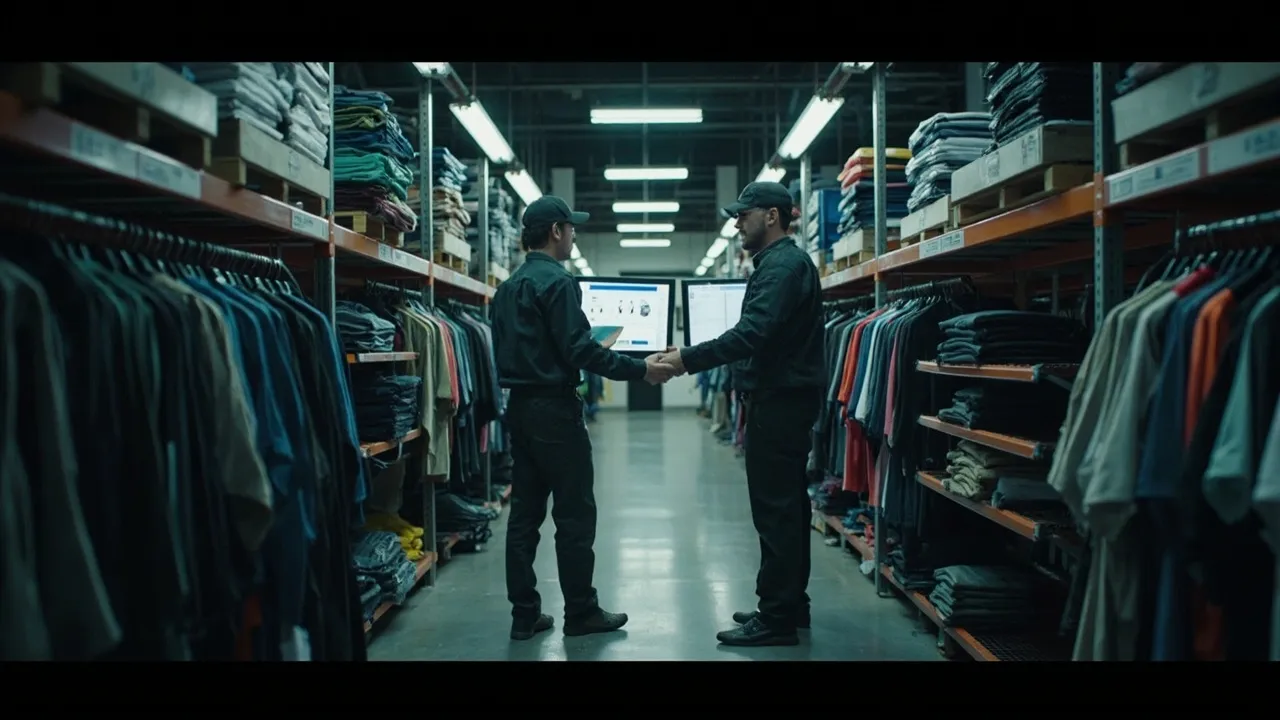
Retail Platform Migration: Protect Inventory Authority During ERP and OMS Cutovers

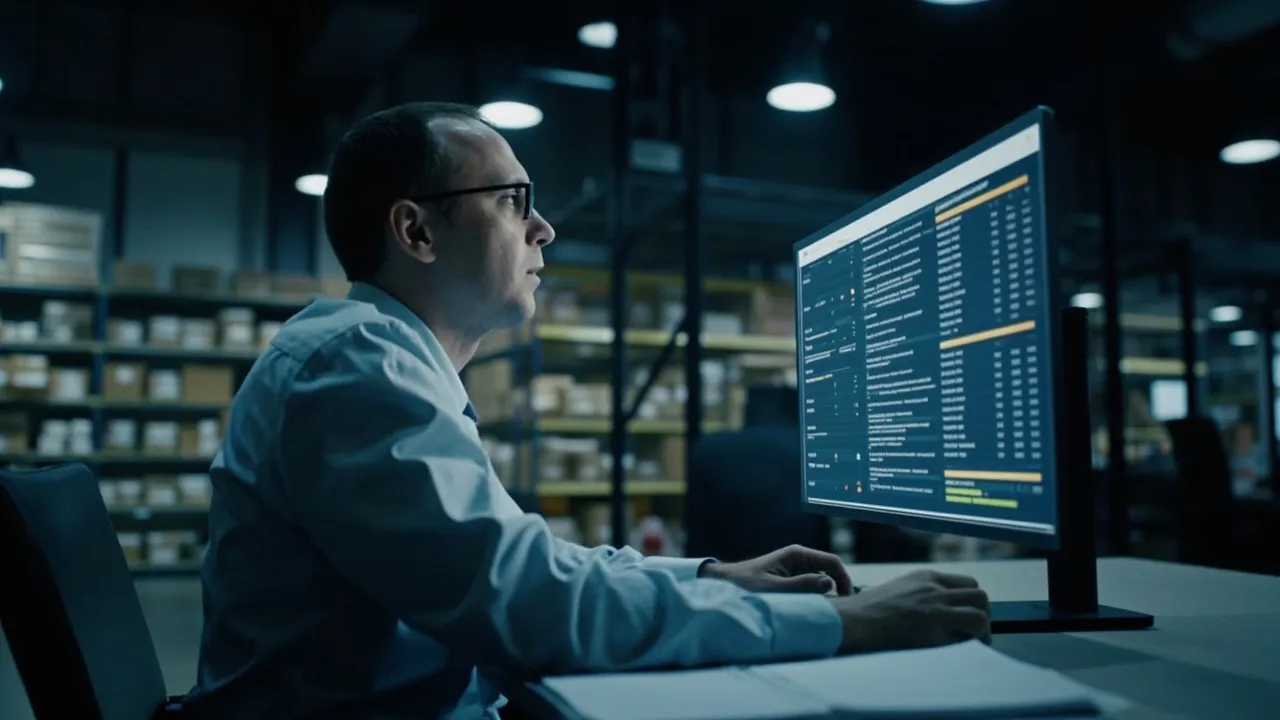
A retail platform migration is often presented as an IT modernization project. Operationally, it is a transfer of authority over inventory and orders. During the cutover, two systems may each believe they can reserve the same unit, release the same shipment, or accept the same return. If the business has not explicitly decided which platform controls each event, technically successful integrations can still produce oversells, stranded orders, duplicate refunds, and misleading availability.
The scale of current programs makes that risk tangible. Levi Strauss & Co. is consolidating a technology estate that once included nine ERP systems into a unified global platform. According to Supply Chain Dive, the company expects to finish its global transition by mid-2027 after migrating North America, Asia, and Beyond Yoga and then moving through Europe and Latin America. A decade-long program like this is not merely a software installation. It changes how inventory truth travels across stores, distribution centers, channels, and regions.
Define authority before building interfaces
Retailers should create an event-level authority matrix before testing begins. For every SKU-location-order combination, name one system of record and one system permitted to initiate each state change.
The matrix should cover at least:
- available-to-promise calculations;
- inventory reservations and reservation releases;
- order allocation and sourcing decisions;
- pick, pack, ship, and delivery confirmation;
- cancellations, substitutions, and backorders;
- returns authorization, receipt, disposition, and refund; and
- adjustments for damage, shrink, cycle counts, and transfers.
The ERP may own financial inventory while the order management system owns channel reservations. A warehouse management system may confirm physical movements, while a point-of-sale platform records store sales and returns. That division can work, but only when every handoff has an explicit owner, timestamp, identifier, acknowledgement, and retry rule.
“Both systems” is not a safe ownership answer. During parallel operations, the legacy and target platforms can both receive data, but only one should have permission to originate a given transaction. The other should act as an observer or controlled downstream processor. This prevents split-brain inventory, where two valid-looking records diverge because each platform accepted changes independently.
Reconcile at the level customers experience
Top-line inventory totals are too coarse for cutover assurance. Ten thousand units in aggregate can reconcile while the wrong sizes, colors, or locations remain available online. Reconciliation must run at SKU-location-order level and compare both quantities and transaction states.
For inventory, teams should compare on-hand, reserved, available, in-transit, damaged, and return-pending balances. For orders, they should compare source channel, allocation, fulfillment node, promised date, payment status, shipment status, and cancellation eligibility. Each variance needs an age, root-cause category, and accountable team.
This work should continue through a meaningful parallel-operating window, not just one clean test cycle. Include peak-hour order loads, delayed carrier confirmations, partial shipments, split orders, store transfers, and returns arriving without the expected original-order data. Those edge cases reveal whether the new platform preserves operational truth when messages arrive late or out of sequence.
Clorox's experience shows why buffers alone cannot replace control. Before its ERP transition, the company added 1.5 weeks of inventory to the roughly four weeks normally held by retailers, Supply Chain Dive reported. Even with that protection, a slower-than-expected ramp-up disrupted demand fulfillment and created additional expense. The company later said it had largely recovered the resulting inventory imbalance.
Gate cutover on operational evidence
A calendar date should not be the final authority for go-live. Use measurable release gates, agreed in advance by technology, merchandising, finance, stores, distribution, ecommerce, and customer service.
Useful cutover gates include:
- inventory variance below a defined threshold by SKU and location, not only in aggregate;
- order fallout below a set rate, with every failure automatically routed to a queue;
- event latency within the time required to protect customer promises;
- no unexplained duplicate reservations, shipments, cancellations, or refunds;
- successful reconciliation across a complete business-day close; and
- a timed recovery rehearsal proving that teams can pause interfaces, restore a checkpoint, replay events, and communicate revised promises.
Thresholds should vary by risk. A high-volume item with one unit remaining requires tighter availability controls than a deep-stock commodity. Regulated products, high-value goods, and short-life inventory may need separate tolerances and manual approval paths.
Recovery should also be designed around customer impact. A rollback that restores database integrity but loses two hours of orders is not a recovery. Teams need immutable event logs, idempotent message processing, sequence controls, and a quarantine queue for transactions that cannot be safely replayed. Customer service must be able to see which orders are affected and what promise can still be kept.
Keep control after go-live
The migration does not end when the target system becomes primary. Run heightened reconciliation through at least the first inventory close, promotional event, return cycle, and financial close. Monitor reservation age, negative available balances, unallocated orders, cancellation lag, refund duplication, interface latency, and manual adjustments.
The payoff is real. Clorox's new ERP formed part of a five-year, $500 million digitization effort and moved operations away from spreadsheet-dependent processes toward greater automation. The company expects gains in planning, inventory reduction, demand fulfillment, and order-to-cash execution, according to Supply Chain Dive. Those benefits become durable only when the underlying inventory events remain complete, ordered, and auditable.
Retail migrations succeed when every unit and every order has one authoritative state, even while several platforms participate in the workflow. Make that authority visible, test it under operational stress, and refuse cutover until the evidence supports the promise.
Planning an ERP or OMS cutover? Request a CXTMS demo to see how centralized shipment execution and real-time logistics visibility can support a controlled transition.