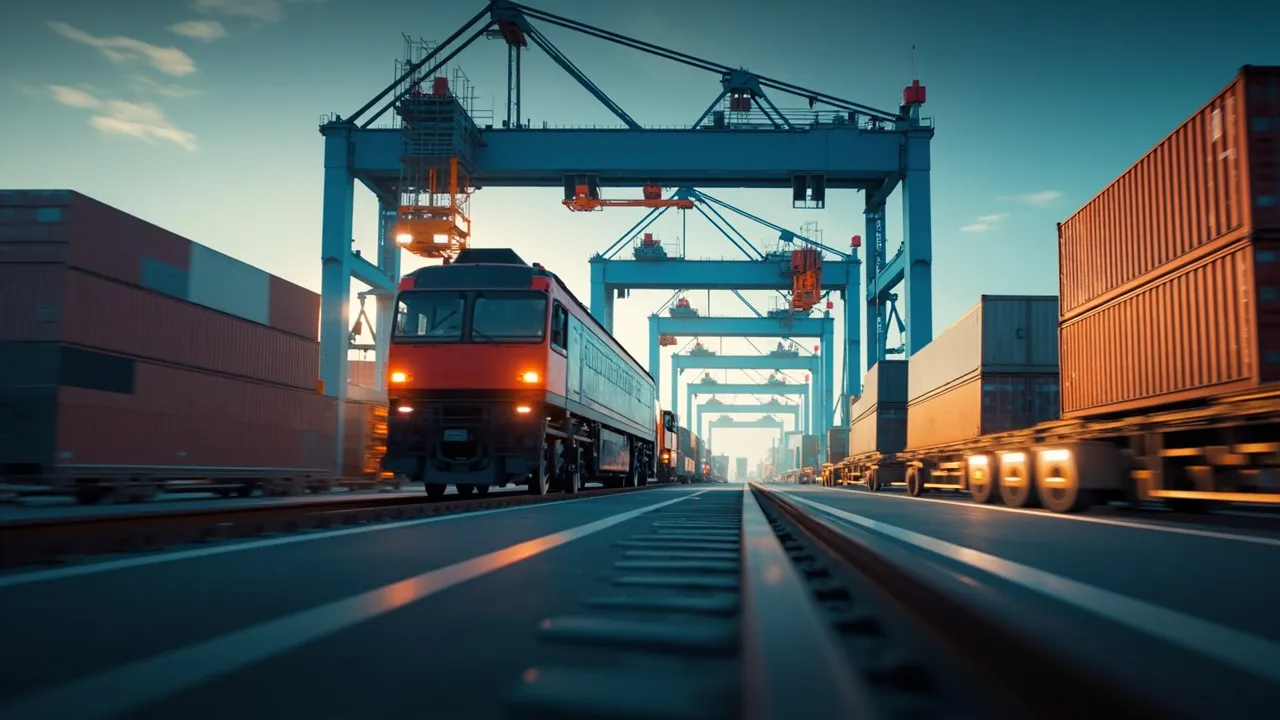
Port of Virginia's Five-Day Indianapolis Rail Service Creates a New East Coast Import Gateway

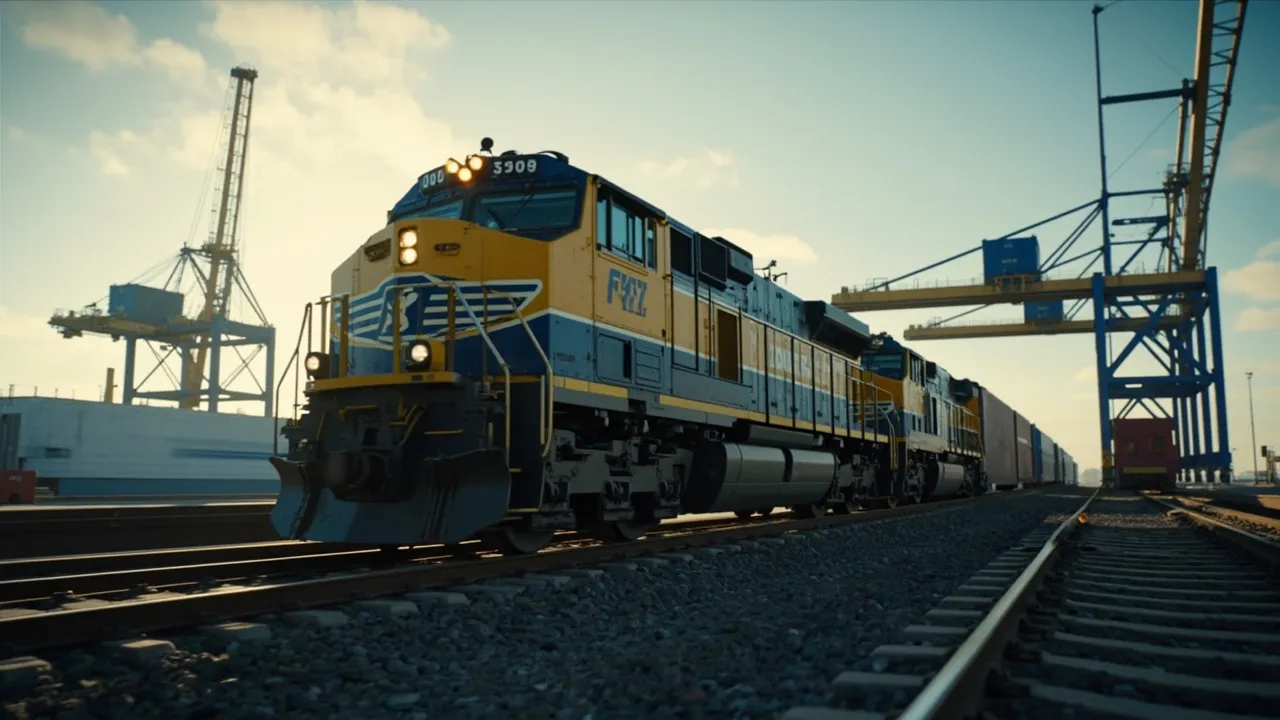
The Port of Virginia has added a direct CSX rail connection to Indianapolis with a stated five-day transit time. For importers serving central Indiana, the service creates a practical alternative to routing containers through Chicago and then trucking them south. But a new line on a service map is not automatically a better supply chain. It becomes valuable only when its full port-to-door performance is measurable.
The opportunity is significant. Indianapolis sits at the intersection of Interstates 65, 69, 70, and 74, placing an estimated 75% to 80% of the U.S. population within a one-day drive. That reach makes the city more than a destination: it can act as an inland gateway for distribution across the Midwest.
What the new route changes
According to Supply Chain Dive, containers can now move directly by CSX from the Port of Virginia into Indianapolis instead of traveling through Chicago and returning south by truck. The direct routing can remove a congested interchange and drayage market from the itinerary.
The port also enters this launch with meaningful rail infrastructure. It invested $83 million in its central rail yard project at Norfolk International Terminals during 2023 and 2024. The port now reports capacity for 2 million rail lifts annually and average rail dwell of 35 to 49 hours. Its terminals offer on-dock, double-stack access to both CSX and Norfolk Southern.
Those figures support the strategic case, but importers should treat the advertised five days as the linehaul promise—not the complete customer lead time. Total performance includes vessel discharge, terminal availability, rail loading, train departure, Indianapolis availability, customs release, final-mile appointment, and empty-container return.
The East Coast gateway tradeoff
The strongest case for the lane is optionality. Importers can diversify away from a single port or inland interchange, reduce dependence on Chicago-area drayage, and create another path into a major consumer and manufacturing region. Direct rail can also reduce long-haul highway exposure and make costs more predictable than an improvised port-to-Indiana truck move.
The broader market is supporting intermodal use. FreightWaves reported that U.S. intermodal volume reached 293,239 containers and trailers in the week ending August 1, 2026, up 4.8% year over year. Through the first 30 weeks of 2026, intermodal volume was 8,418,215 units, 3.8% higher than a year earlier. FreightWaves attributed part of the growth to shippers shifting from truckload to a less expensive rail alternative as highway rates climbed.
The tradeoff is variability. Rail may offer an attractive scheduled transit while still producing inconsistent door-to-door outcomes if a box misses a train, sits after availability, or encounters limited final-mile appointment capacity. Free-time rules and chassis availability can erase linehaul savings quickly. Importers should therefore compare gateways using distributions, not averages: the 50th, 80th, and 95th percentile elapsed time reveal far more than one mean transit figure.
Capture the lane data before the first booking
A controlled launch starts with a lane-level operating record. At minimum, capture:
- booking number, carrier, vessel, service string, and origin cutoff;
- planned and actual vessel arrival, discharge, customs release, and terminal availability;
- planned rail departure, actual rail departure, Indianapolis availability, and rail dwell;
- last free day at both the marine and inland terminal;
- chassis provider, final-mile carrier, appointment window, and proof of delivery;
- base ocean, rail, drayage, fuel, chassis, storage, demurrage, detention, and accessorial costs;
- empty return location, deadline, and confirmed return event.
These fields need consistent timestamps and event definitions. “Available” should mean the same thing across every shipment, and timestamps should retain their local time zone. Without that discipline, a dashboard may appear precise while comparing different operational events.
Importers should also document the exception owner for customs holds, missed rail connections, unavailable appointments, chassis shortages, and changed empty-return locations. A fast notification without a named decision-maker merely broadcasts the delay.
Run a 90-day reliability scorecard
The first 90 days should be a measured pilot, not an immediate network-wide conversion. Select representative freight across several origins, product categories, and delivery locations, while preserving a control group on the incumbent routing.
Track four categories weekly:
- Transit reliability: planned versus actual port-to-availability and port-to-door time; median, 80th percentile, and maximum variance.
- Cargo availability: percentage available on the promised day, missed train count, terminal dwell, and time from inland availability to pickup.
- Service execution: appointment success, on-time delivery, exception response time, chassis availability, and empty-return compliance.
- Total landed transport cost: all-in cost per container, accessorial cost per container, demurrage and detention incidence, and cost of emergency recovery moves.
Set decision thresholds before the pilot begins. For example, expansion might require at least 90% on-time inland availability, a specified reduction in total cost, and no increase in customer delivery failures. A route that saves on base transportation but creates frequent expedite moves should not pass.
Segment results by origin port, ocean carrier, weekday of discharge, destination radius, and final-mile provider. This prevents one strong sublane from concealing a weak one. It also shows whether the service works for high-volume distribution centers but not for distant or appointment-constrained receivers.
Turn a new service into a durable option
The Port of Virginia–Indianapolis route offers a credible new East Coast gateway, backed by direct Class I rail access and substantial terminal investment. Its real value, however, will be determined shipment by shipment. Importers that connect bookings, milestones, free time, cost, and final-mile execution can identify where the lane genuinely improves their network—and where the incumbent routing still wins.
CXTMS gives freight forwarders and logistics teams one place to manage multimodal milestones, exceptions, costs, and carrier performance. Contact CXTMS to build a reliable port-to-door scorecard for every import gateway.