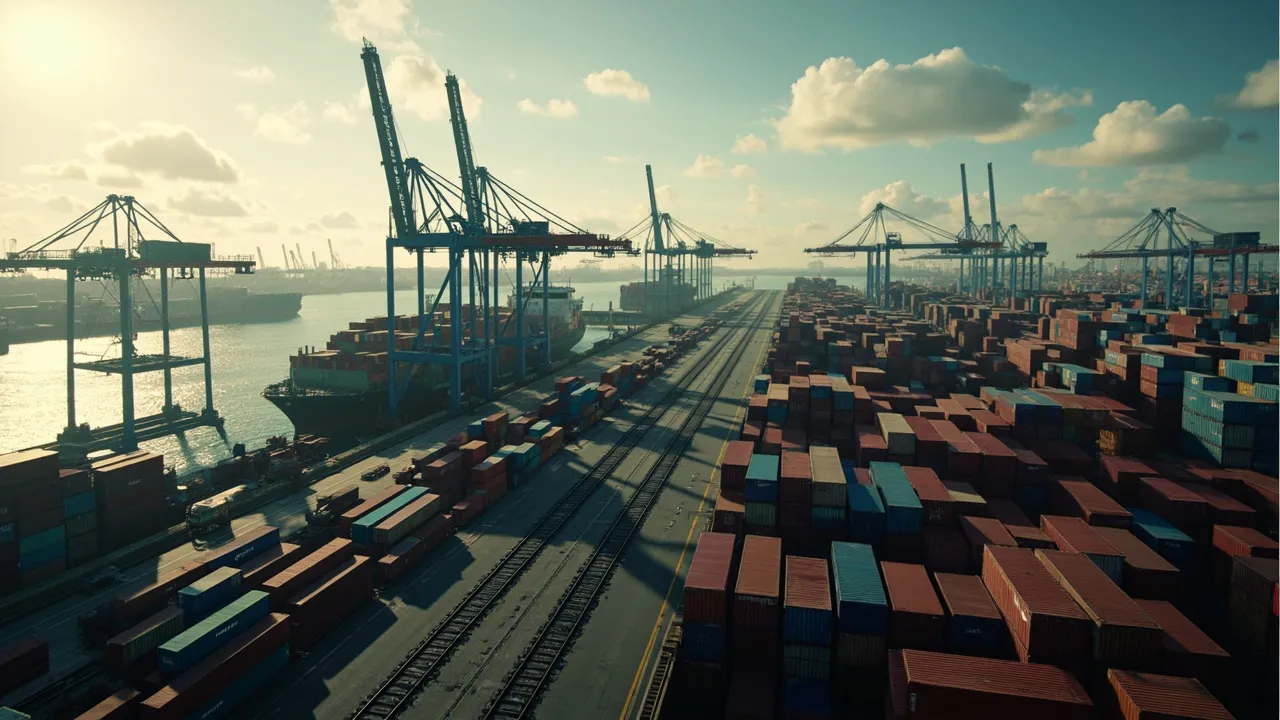
CK Hutchison’s $1.5 Billion Panama Claim Is a Port-Concession Continuity Warning

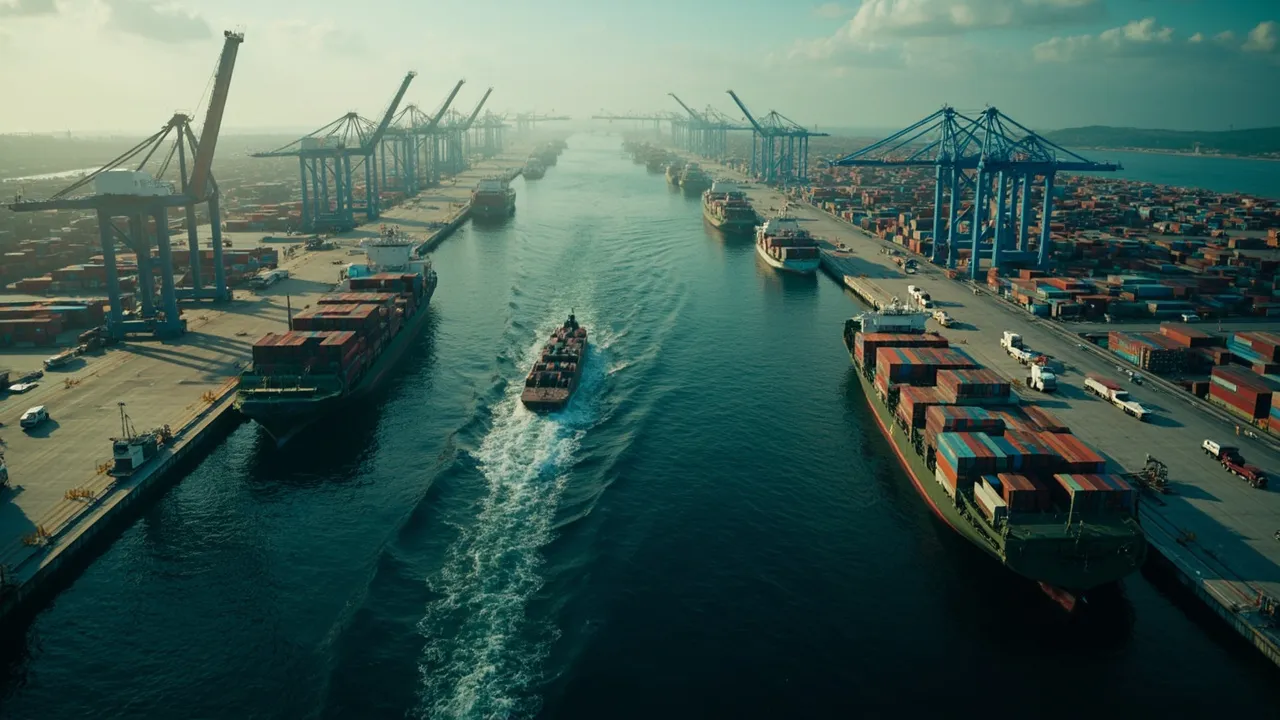
A terminal concession can look like background infrastructure until control changes. Then bookings, gate permissions, invoices, customs messages, equipment records, and inland connections can all depend on who is legally and operationally authorized to act.
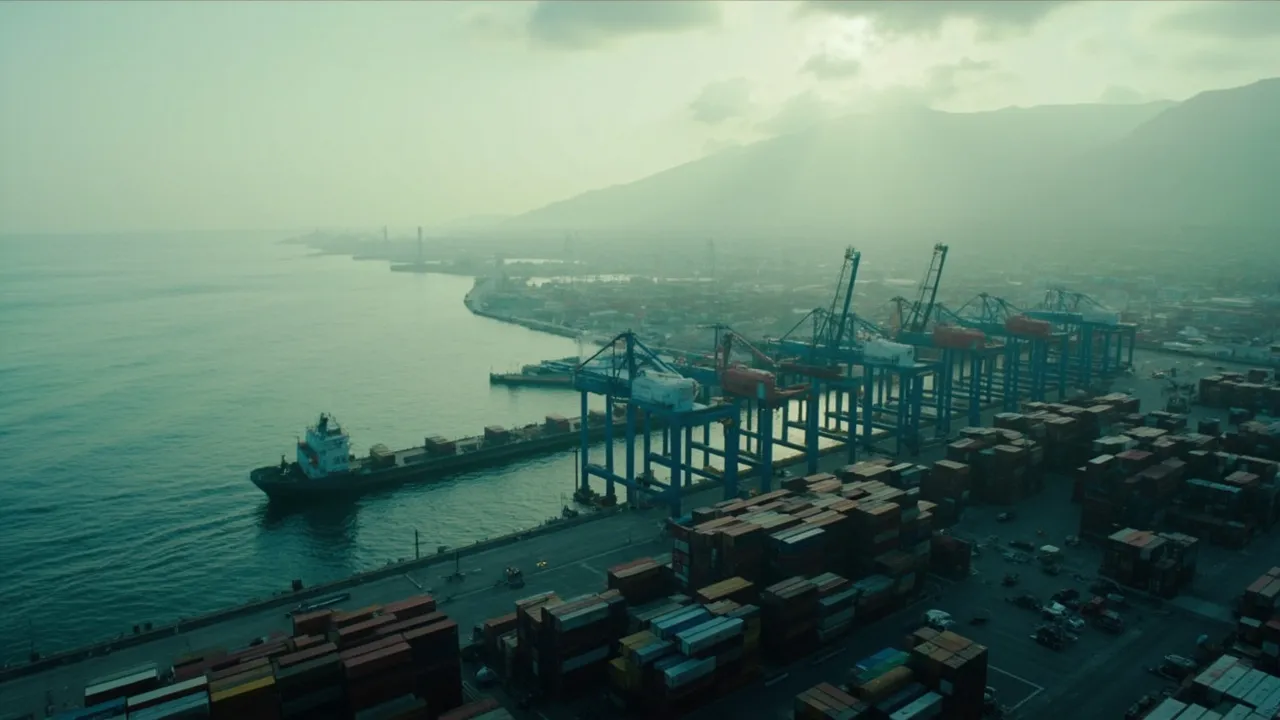
That risk is now visible in Panama. SupplyChainBrain reports that CK Hutchison is seeking more than $1.5 billion after Panama seized two ports the company had operated for nearly 30 years. Reuters separately described the $1.5 billion action as a treaty-dispute arbitration. That proceeding should not be confused with an earlier port-contract arbitration whose claimed damages Reuters reported had risen above $2 billion in March.
The outcome belongs to courts and arbitrators. For cargo owners and forwarders, the immediate lesson is operational: long tenure does not eliminate transition risk. Every gateway plan needs a portable record that can survive a change in terminal control.
Map Every Dependency Before Control Changes
The vessel call is only one part of a terminal relationship. Start with active and planned bookings, then map the systems, documents, and commercial terms that allow each shipment to move.
For every affected container or bill of lading, identify the carrier booking, terminal appointment, gate reference, customs status, free-time terms, demurrage and detention rules, chassis or equipment provider, trucker, rail connection, warehouse appointment, and responsible party. Record which organization issued each reference and which system currently validates it.
This matters because a handover can leave valid cargo paired with an obsolete credential. A truck appointment created in one portal may not transfer cleanly. A payment made to the former operator may not release a box under the successor. A customs message can remain technically accepted while the terminal's local release workflow has changed.
Segment exposure by milestone. Cargo not yet loaded may be diverted or rebooked. Cargo on the water needs a confirmed discharge and pickup path. Containers already grounded need verified gate, payment, and free-time treatment. Empty equipment needs a valid return location. One generic “Panama exposure” label is not enough.
Watch Operating Signals, Not Legal Noise
Legal headlines can move faster than cargo instructions. Build an early-warning list around changes that operations can verify:
- new terminal operator notices, portal domains, customer-service contacts, or banking instructions;
- appointment cancellations, reduced gate hours, manual release steps, or slower truck turns;
- revised tariffs, free-time clocks, storage rules, deposits, or accepted payment methods;
- changes to customs location codes, electronic-data connections, or release responsibilities;
- altered empty-return depots, chassis arrangements, rail cutoffs, or feeder connections;
- carrier advisories that move calls, restrict bookings, or add local surcharges.
Assign a source and owner to every signal. Carrier and terminal notices should be captured alongside the shipment, not forwarded into an email chain that half the team cannot see. Banking changes require independent verification through a known contact. A new invoice or urgent request should never be trusted solely because it uses familiar cargo details.
Canal capacity also shows how quickly a Panama gateway assumption can change for reasons unrelated to a concession. During the 2023 drought, Supply Chain Dive reported that booking slots fell to 25—30% below August levels—and were scheduled to drop to 24. In March 2024, the publication reported that daily slots had recovered to 27. Concession, weather, and capacity events are different risks, but they belong in the same lane-level monitoring process.
Create a Gateway Transition File
A transition file is a shipment and commercial evidence pack designed to work even if access to a portal or counterparty changes. It should be created before a dispute becomes an execution failure.
Include the booking confirmation, bills of lading, manifests, customs releases, arrival notices, terminal appointments, interchange receipts, equipment condition records, tariff version, free-time calculation, invoices, payment proof, and correspondence that changed an instruction. Preserve timestamps and original documents rather than screenshots alone.
Add a decision log: who authorized a diversion, accepted a new charge, changed a consignee instruction, or approved payment to a new beneficiary. Record the source notice and its effective time. This makes the file useful for three purposes at once—moving the shipment, resolving a billing dispute, and supporting a later claim.
The file also needs contacts independent of the incumbent operator: ocean carrier, customs broker, port or maritime authority, successor terminal desk if named, drayage carrier, rail provider, cargo insurer, and local counsel or claims contact. Test the escalation path with a real shipment reference. A phone number in a contingency plan is not operational readiness unless someone confirms it reaches the right desk.
Protect Contracts and Cash During the Handover
Review contracts for change-of-operator language, force majeure, port-substitution rights, notice duties, liability limits, storage allocation, and dispute deadlines. Do not assume a commercial agreement automatically follows the physical cargo into a new operating structure.
Finance controls are equally important. Freeze unverified beneficiary changes, match invoices to the operator and service date, and prevent duplicate payment when two parties assert responsibility for the same charge. Track disputed storage separately from approved transportation cost so cargo can be released without losing the evidence needed to challenge a fee later.
Set decision triggers before urgency peaks. If pickup references remain unvalidated within a defined window, escalate to the carrier and terminal. If projected dwell exceeds free time, compare the documented cost of paying, diverting, transloading, or holding. If a vessel call changes, recalculate customs, trucking, rail, and customer appointments as one connected plan.
Manage the Gateway as a Living Control Record
The goal is not to predict who will prevail in Panama. It is to keep shipment control when legal authority, operating instructions, and payment responsibility do not change at the same speed.
A transportation management system should connect each booking to terminal milestones, documents, contacts, costs, approvals, and exceptions. When an operator, portal, tariff, or release instruction changes, teams need one visible record of what changed, which shipments are exposed, and who owns the next action.
CXTMS helps freight forwarders centralize gateway instructions, shipment evidence, exception ownership, and cost approvals so a port transition does not become a chain of disconnected emails. Request a CXTMS demo to see how a shared operational record can strengthen port-concession continuity.