Insights
Industry insights, integration guides, and product updates from the CXTMS team.
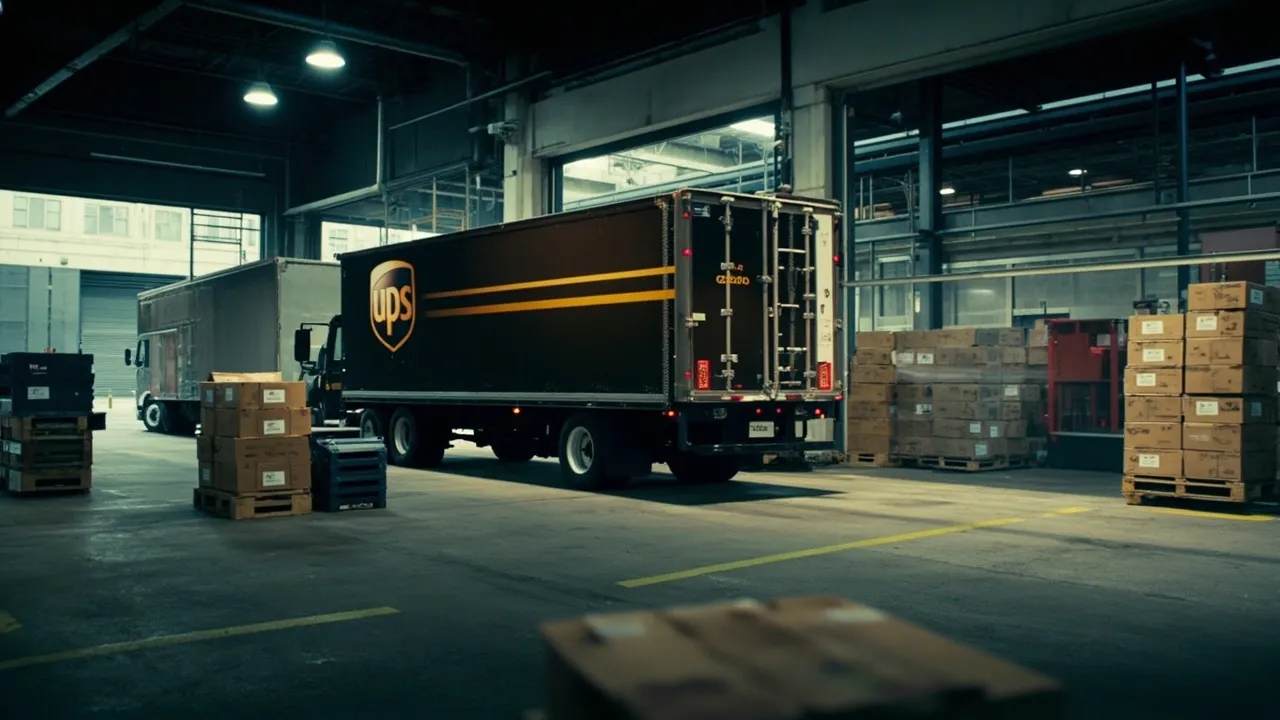
UPS’s $50M Automotive and Industrial Push Is Really a Service-Parts Logistics Signal
UPS is investing nearly $50 million in automotive and industrial logistics capabilities. The bigger signal is that service-parts networks need tighter orchestration across visibility, heavy freight, same-day delivery, and regional inventory.
 CXTMS InsightsJune 7, 20267 min read
The 2026 Warehouse Fulfillment Report Shows WMS Buyers Want Labor Relief, Not Feature Lists
Warehouse technology buyers are judging WMS and fulfillment investments by labor resilience, throughput stability, and automation readiness. The 2026 buying question is no longer which feature list is longest; it is which system can keep work moving.
CXTMS InsightsJune 7, 2026 · 7 min read
WTO Trade Growth Warnings Put Inventory Timing Back Under the Microscope
WTO trade-growth signals show goods trade is still expanding but slowing, putting purchase-order timing, port bookings, and safety stock assumptions back under scrutiny.
CXTMS InsightsJune 7, 2026 · 7 min read
Agentic AI Readiness Starts With Operating Discipline, Not Another Dashboard
Agentic AI can automate freight execution, but logistics teams need clean workflows, decision rights, and auditability before they hand exceptions to autonomous agents.
CXTMS InsightsJune 6, 2026 · 7 min read
Freight Capacity Is Tightening Before Demand Has Fully Recovered
Truckload capacity is tightening before freight demand fully rebounds, forcing shippers and forwarders to manage spot-rate risk earlier than expected.
CXTMS InsightsJune 6, 2026 · 6 min read
The Freight Recession’s Maintenance Hangover Is Becoming a Capacity Risk
Deferred fleet maintenance from the long freight recession is turning into a shipper risk as utilization recovers and truckload capacity tightens.
CXTMS InsightsJune 6, 2026 · 7 min read
Multi-Carrier Parcel Networks Are Becoming the New E-Commerce Default
E-commerce shippers are moving from single-carrier parcel strategies to blended networks as accessorials, regional carriers, and last-mile complexity reshape delivery economics.
CXTMS InsightsJune 6, 2026 · 7 min read
Ocean Peak-Season Surcharges Are Returning Before Demand Looks Strong
Ocean carriers are bringing back peak-season surcharges even as import demand remains uneven, creating budgeting and margin risk for freight forwarders.
CXTMS InsightsJune 6, 2026 · 7 min read
Perishable Inventory Visibility Is the Next Food Logistics Cost Lever
Perishable inventory visibility is becoming a practical cost lever for food logistics teams managing shelf life, reefer capacity, replenishment, and recalls.
CXTMS InsightsJune 6, 2026 · 7 min read
Rare Earth Export Controls Are Becoming a Logistics Planning Problem
Rare earth export controls are turning small components into major freight-planning risks for automotive, aerospace, electronics, and industrial supply chains.
CXTMS InsightsJune 6, 2026 · 7 min read