Insights
Industry insights, integration guides, and product updates from the CXTMS team.
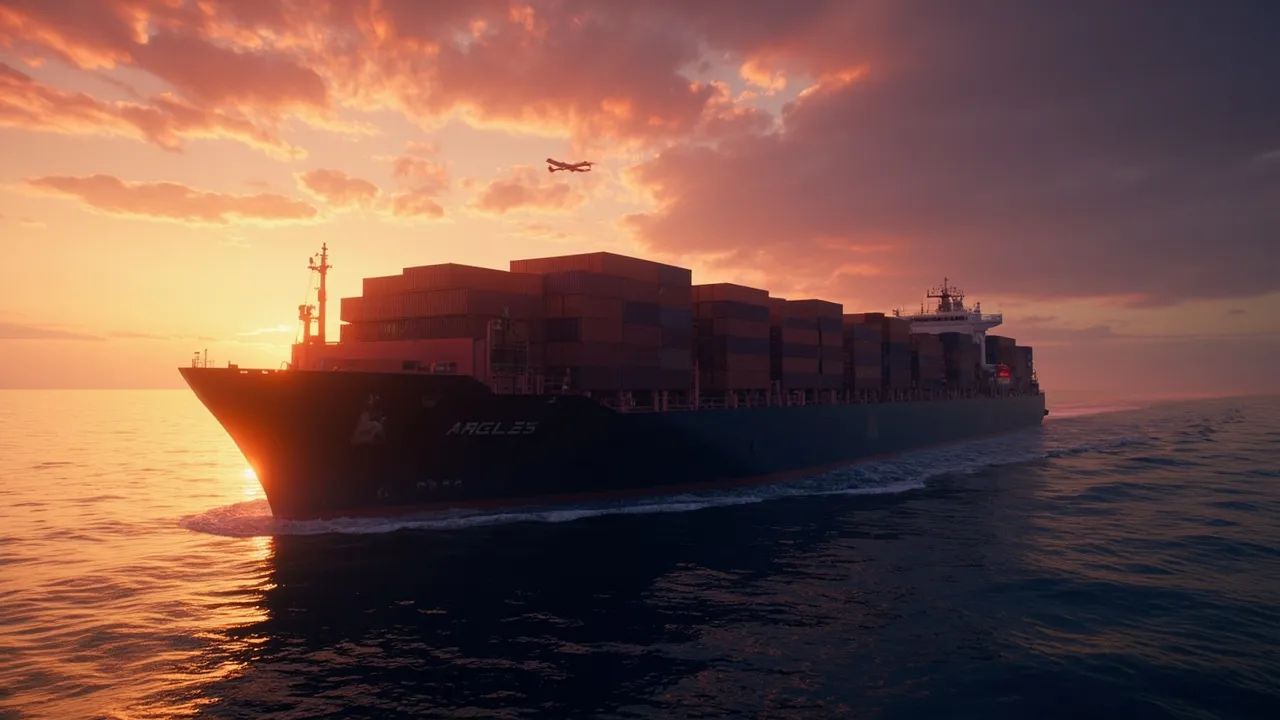
War Risk Surcharges Just Hit the Strait of Hormuz. Here's What That Means for Asia-Middle East Freight.
CMA CGM and Hapag-Lloyd have imposed emergency conflict surcharges of $1,500–$4,000 per TEU on Hormuz transits. Here's what shippers on Asia–Middle East and Asia–US Gulf Coast lanes need to know.
 CXTMS InsightsJune 10, 20265 min read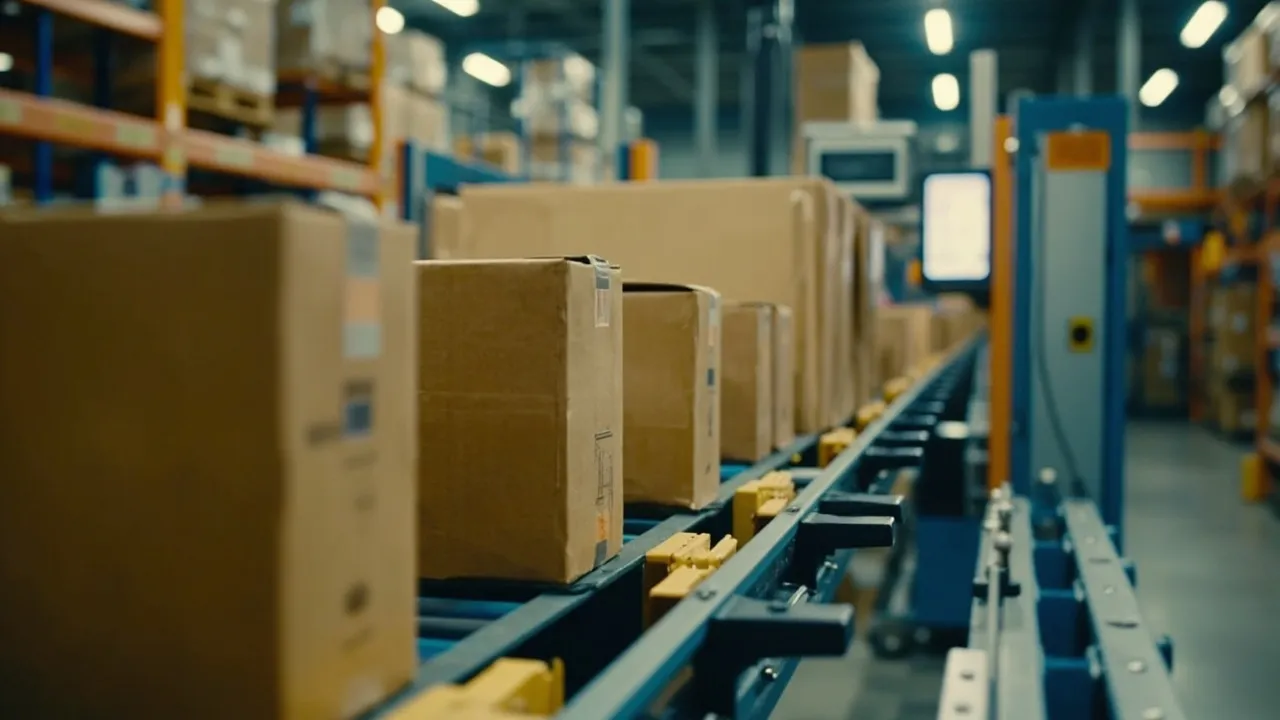
Containerboard’s 8% Production Reset Could Become a Hidden Parcel Packaging Constraint
Containerboard production cuts are turning packaging availability into a transportation cost issue for ecommerce, parcel, and fulfillment teams.
CXTMS InsightsJune 9, 2026 · 7 min read
EU Three-Supplier Rules Could Turn Sourcing Diversification Into a Logistics Data Requirement
Potential EU three-supplier rules would make sourcing diversification a logistics data problem, forcing forwarders to connect origin, routing, landed-cost, and risk records.
CXTMS InsightsJune 9, 2026 · 7 min read
India Road Freight’s $168.51B Market Shows Why Domestic Linehaul Needs Digital Discipline
India road freight is projected to reach $168.51B in 2026. Here is why domestic linehaul growth requires digital execution discipline.
CXTMS InsightsJune 9, 2026 · 7 min read
Port Houston’s New Harbor Cranes Show Breakbulk Capacity Still Matters in a Container-Obsessed Market
Port Houston’s new harbor cranes are a reminder that breakbulk capacity, heavy-lift planning, and equipment-aware routing still matter for project cargo.
CXTMS InsightsJune 9, 2026 · 6 min read
Procurement AI Confidence Is Low. Logistics Teams Should Treat That as an Execution Warning.
Procurement AI confidence is low, and logistics teams should treat that as a warning about supplier onboarding, routing rules, and execution handoffs.
CXTMS InsightsJune 9, 2026 · 7 min read
Russia’s Freight Market Is Still Growing, but Sanctions Make Execution the Real Constraint
Russia freight and logistics is projected to reach $74.87B in 2026, but sanctions make auditable execution the real operating challenge.
CXTMS InsightsJune 9, 2026 · 6 min read
U.S.-China Tariff Cut Comments Are a Customs Data Test, Not Just a Trade Policy Headline
Possible U.S.-China tariff cuts would create a customs data test for importers, forcing SKU-level scenario planning, landed-cost modeling, and faster freight execution decisions.
CXTMS InsightsJune 9, 2026 · 7 min read
Vietnam’s 39.8% Export Growth Forecast Should Put Freight Lane Design Back on the Table
Vietnam’s export growth outlook is a freight lane design problem, forcing shippers to rethink port pairings, consolidation nodes, customs readiness, and Southeast Asia capacity planning.
CXTMS InsightsJune 9, 2026 · 6 min read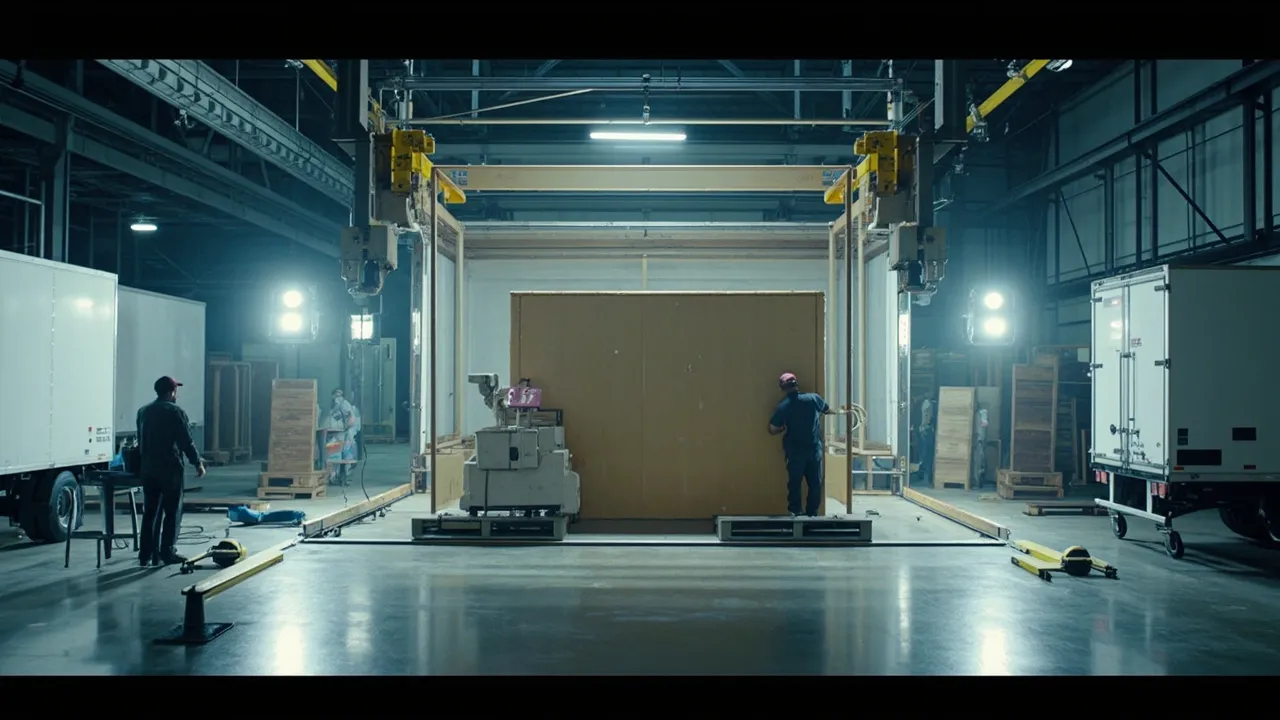
Wayfair’s Big-and-Bulky Logistics Upgrade Starts With Product Dimensions, Not Faster Trucks
Wayfair’s focus on accurate product dimensions shows why big-and-bulky logistics depends on freight data quality, trailer utilization, and connected execution workflows.
CXTMS InsightsJune 9, 2026 · 7 min read