Insights
Industry insights, integration guides, and product updates from the CXTMS team.
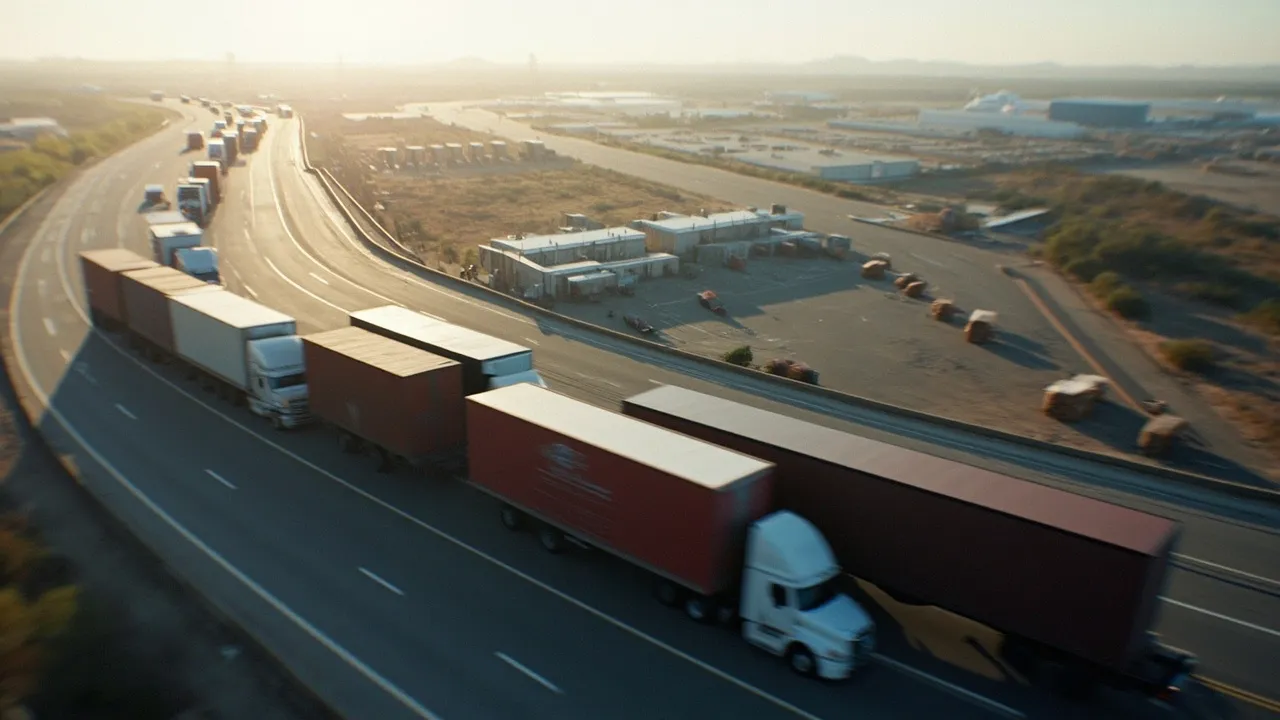
Mexico Freight Growth Is Shifting the Nearshoring Question From Location to Lane Control
Mexico's freight growth shows why nearshoring success now depends on cross-border lane control, customs data quality, and exception-ready execution.
 CXTMS InsightsJune 12, 20267 min read
Saudi Bonded-Zone Logistics Is Turning Customs Speed Into a Parcel Advantage
Saudi Arabia's bonded-zone logistics buildout is compressing customs lead times and raising the bar for parcel execution, returns visibility, and next-day delivery promises.
CXTMS InsightsJune 12, 2026 · 6 min read
World Cup Event Logistics Will Test Master Delivery Scheduling Before the First Match
The 2026 World Cup shows why event logistics depends on appointment discipline, staged inventory, and master delivery scheduling before freight reaches the venue.
CXTMS InsightsJune 12, 2026 · 7 min read
API-Native Freight Brokerage Is Compressing Tender Cycles From Hours to Minutes
API-native freight brokerage is shifting tendering from manual follow-up to near-real-time execution, forcing shippers to demand cleaner data, stronger controls, and better audit trails.
CXTMS InsightsJune 11, 2026 · 7 min read
ASEAN E-Commerce Logistics Is Moving From Delivery Capacity to Value-Added Fulfillment
ASEAN e-commerce logistics is shifting from parcel capacity to fulfillment quality as sellers demand inventory accuracy, smarter routing, returns visibility, and tighter service promise control.
CXTMS InsightsJune 11, 2026 · 6 min read
Cross-Docking Is Becoming the Quiet Answer to Inventory-Light Fulfillment
Cross-docking is gaining new relevance as shippers try to cut storage dwell, control rising inventory costs, and keep fulfillment networks responsive.
CXTMS InsightsJune 11, 2026 · 6 min read
Customs Brokerage Is Turning Into a Capacity Constraint for Nearshoring
Nearshoring is pushing customs brokerage from back-office service to operational capacity constraint as border freight, tariff complexity, and forced-labor scrutiny rise.
CXTMS InsightsJune 11, 2026 · 6 min read
Fleet Management Is the Fastest-Growing Digital Logistics System for a Reason
Fleet management is becoming the fastest-growing digital logistics system because it turns telematics, IoT, ERP data, and exception workflows into near-term operational ROI.
CXTMS InsightsJune 11, 2026 · 6 min read
Freight Layoffs Are a Network-Risk Signal Shippers Should Track
Freight layoffs and facility closures are not just labor headlines. They are early warnings that carrier coverage, service consistency, and backup capacity may be changing by lane.
CXTMS InsightsJune 11, 2026 · 7 min read
Green Freight Needs Auditable Data Before It Can Win Budget
Sustainability projects are moving from brand promises to budget reviews. Freight teams need auditable operating data to prove emissions savings, cost impact, and execution control.
CXTMS InsightsJune 11, 2026 · 6 min read