Insights
Industry insights, integration guides, and product updates from the CXTMS team.
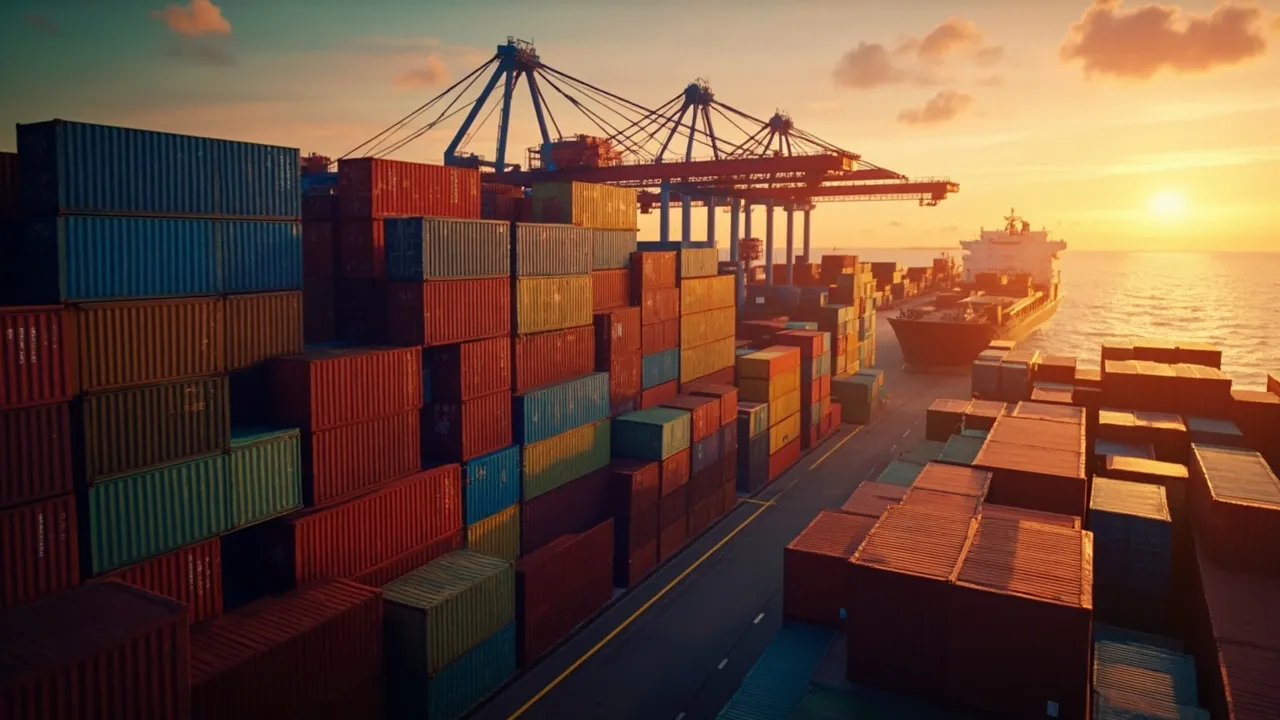
Port of Los Angeles Imports Jump 26% While Exports Fall: The New Imbalance Behind Peak Season Planning
Port of Los Angeles May volumes show imports rising 26% while exports fall 10%, creating a planning imbalance for peak season freight operations.
 CXTMS InsightsJune 18, 20266 min read
State of Logistics 2026: Why $2.4 Trillion in U.S. Logistics Costs Makes Adaptability the New KPI
CSCMP's 2026 State of Logistics report shows U.S. logistics costs at $2.4 trillion and makes the case for adaptability as a daily transportation KPI.
CXTMS InsightsJune 18, 2026 · 6 min read
West Coast Port Labor Talks Are Already a 2028 Supply Chain Risk
The West Coast port labor contract runs through 2028, but automation, terminal ownership, and trust are already shaping the next supply chain risk cycle.
CXTMS InsightsJune 18, 2026 · 7 min read
Adani Ports' $100M AI Deal Shows Port Automation Is Moving Into Execution Control
Adani Ports' $100M Kaleris deal puts AI directly into terminal execution software—not just crane automation. Here's what that means for forwarders managing drayage, berth windows, and upstream exception visibility.
CXTMS InsightsJune 17, 2026 · 5 min read
The AI Memory Crunch Is Becoming a Logistics Problem for Server Supply Chains
Dell and HPE server supply is being squeezed by DRAM and HBM memory constraints as AI infrastructure demand overwhelms component availability. Here's what that means for electronics shippers managing inbound logistics and customer delivery promises.
CXTMS InsightsJune 17, 2026 · 5 min read
Customs Loophole Enforcement Is Turning Importer Identity Into a Daily Control
A new White House executive order is raising the bar for importer-of-record accountability — requiring more identity data, higher bond coverage, and stricter documentation. Freight forwarders and logistics teams need to shift from a 'filing' mindset to an 'evidence' mindset.
CXTMS InsightsJune 17, 2026 · 6 min read
EU Food Supply Chain Rules Could Make Farm-Gate Cost Data a Logistics Input
New EU reforms forcing food prices to reflect actual production costs will ripple into transportation, cold-chain, and procurement operations — requiring logistics teams to handle cost transparency data they've historically ignored.
CXTMS InsightsJune 17, 2026 · 5 min read
Grocery Outlet's AI Ordering Push Shows Assortment Volatility Is Now a Planning Problem
Grocery Outlet's deployment of Afresh AI across 550 stores reveals why opportunistic assortments break traditional replenishment models. Here's what it means for freight, ordering cadence, and logistics planning.
CXTMS InsightsJune 17, 2026 · 7 min read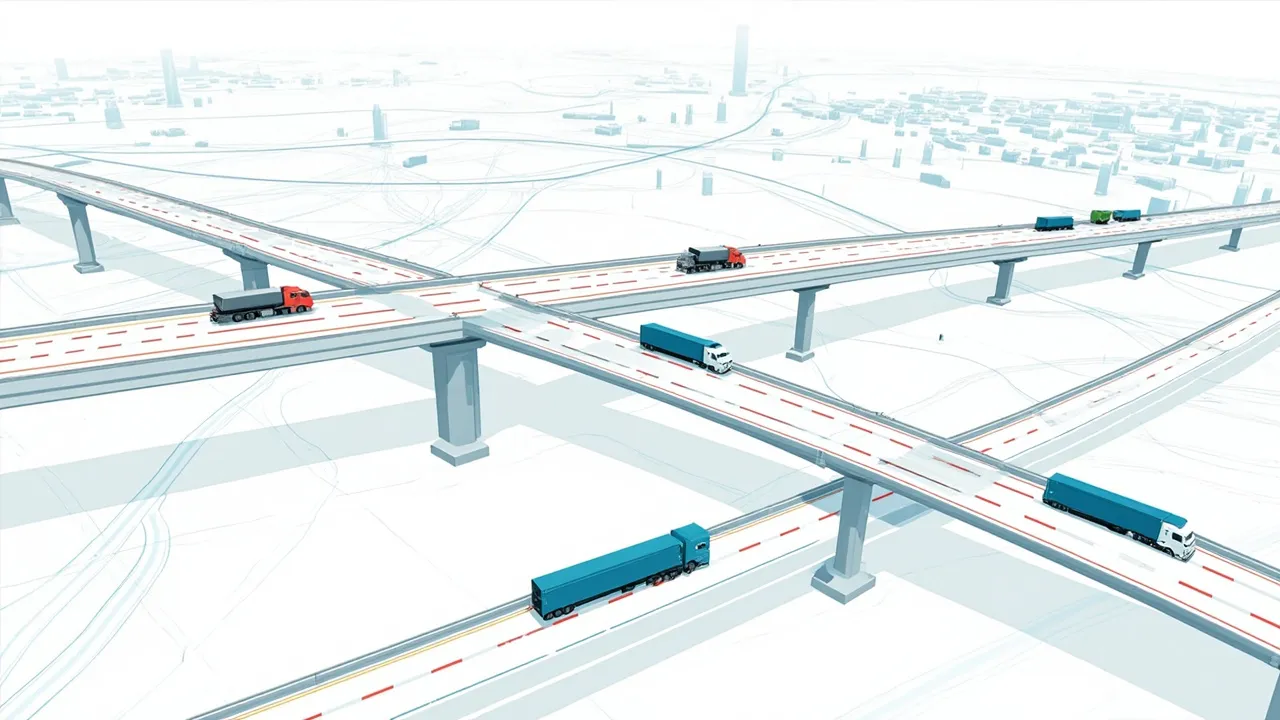
The $580B Highway Bill Is Really a Freight Reliability Bill
Congress is working through a five-year, $580B highway bill that funds bridges, highways, and transit through FY2031. For freight operations, the real story isn't headline capacity — it's corridor reliability, drayage access, and maintenance closures that disrupt routing guides before anyone reads about them in a policy brief.
CXTMS InsightsJune 17, 2026 · 5 min read
Industrial Robots Are Rebounding Because AI Factories Need Physical Flow
After two years of headwinds, the industrial robot market is growing again—driven by AI chip fabs and easier-to-deploy software. Here's what that means for the manufacturers, parts suppliers, and logistics teams caught in the wake of faster production cycles.
CXTMS InsightsJune 17, 2026 · 5 min read