Insights
Industry insights, integration guides, and product updates from the CXTMS team.

GNC’s Warehouse Drones Show Cycle Counting Is Becoming Continuous Inventory Control
GNC’s warehouse drone deployment shows how cycle counting is shifting from periodic labor audits to continuous inventory control inside modern distribution centers.
 CXTMS InsightsJune 20, 20267 min read
International Paper’s CPKC Rail Plan Shows Packaging Plants Need Freight Optionality Built In
International Paper’s CPKC rail-served Mississippi packaging facility shows why freight optionality belongs in industrial site design, not after-the-fact logistics fixes.
CXTMS InsightsJune 20, 2026 · 7 min read
The Port of Long Beach Green Truck Corridor Turns Drayage Decarbonization Into Route Design
The Port of Long Beach green truck corridor shows why zero-emission drayage depends on route density, charging placement, appointment discipline, and facility readiness.
CXTMS InsightsJune 20, 2026 · 7 min read
May Retail Sales Growth Turns Fulfillment Planning Back Into a Demand-Sensing Problem
May retail sales growth shows why fulfillment teams need weekly demand sensing across inventory, labor, parcel capacity, and transportation execution.
CXTMS InsightsJune 20, 2026 · 6 min read
UPS’s New AI Tools Make Parcel Visibility an Exception-Management Problem
UPS’s AI rollout shows why parcel visibility is shifting from tracking pages to exception management, returns control, and measurable service recovery.
CXTMS InsightsJune 20, 2026 · 6 min read
Walmart’s Texas DC Remodel Shows Brownfield Automation Has Become the Real Capex Story
Walmart’s $8 million Texas distribution center remodel shows why brownfield automation is becoming the practical capital strategy for retail logistics networks.
CXTMS InsightsJune 20, 2026 · 7 min read
Animal Welfare Is Becoming a Supplier Risk Metric, Not Just an ESG Statement
Animal welfare failures now create supplier risk across procurement, logistics, cold chain, contracts, and compliance evidence trails.
CXTMS InsightsJune 19, 2026 · 7 min read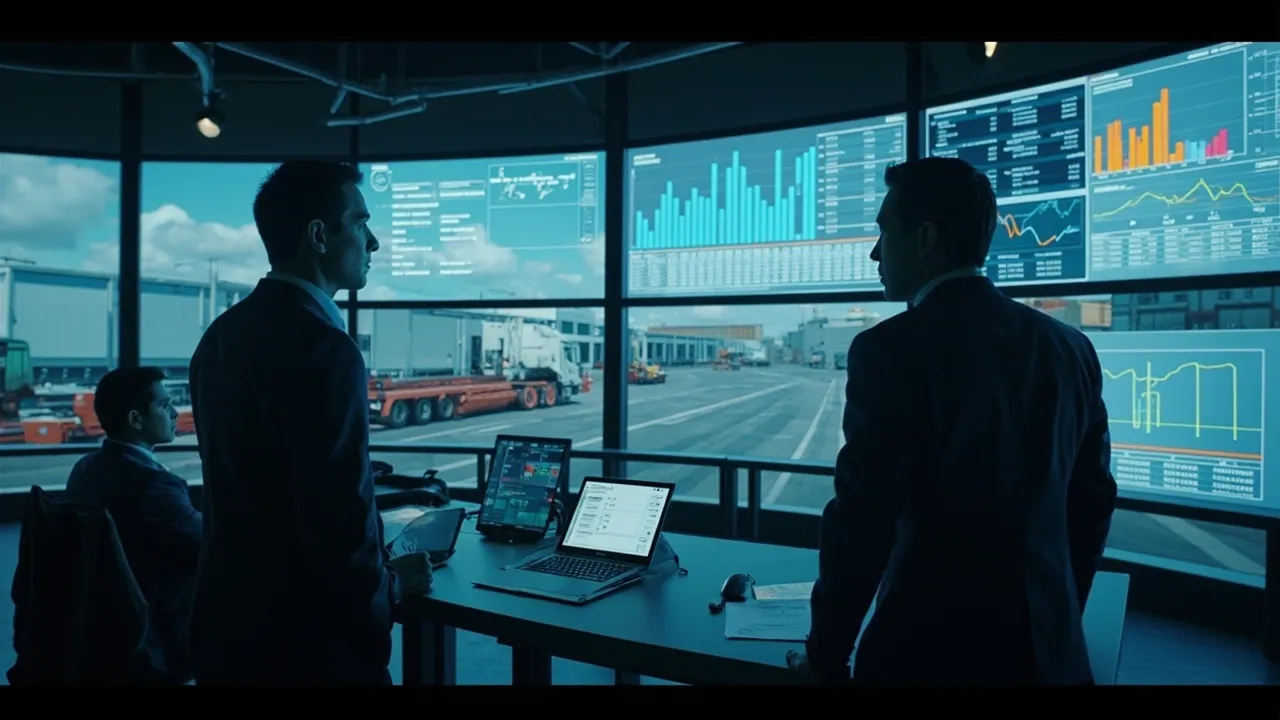
Bristol Myers Cut Procurement RFPs From Nine Months to 30 Days. The Lesson Is Not ‘Perfect Data First.’
Bristol Myers Squibb's AI procurement overhaul shows why logistics teams should build usable freight data flows before waiting for perfect data cleanliness.
CXTMS InsightsJune 19, 2026 · 7 min read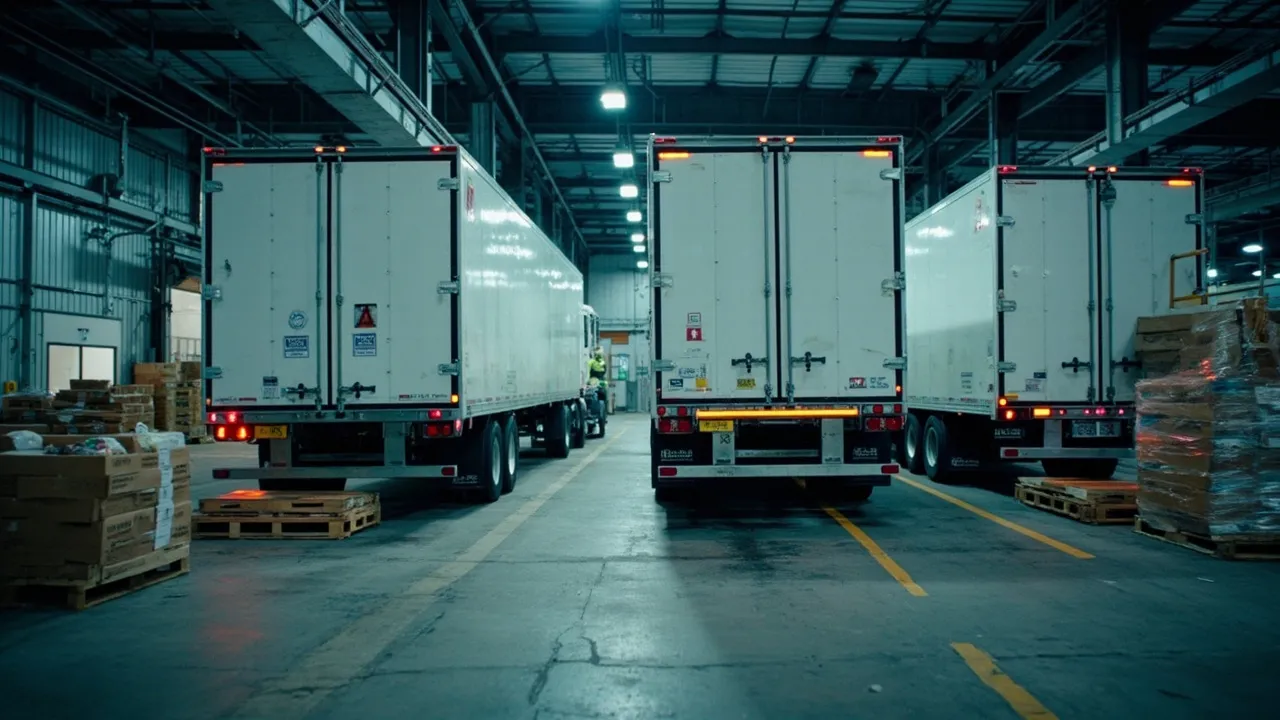
Canada’s Food Supply Chain Probe Turns Grocery Inflation Into a Logistics Question
Canada’s food supply chain probe shows why grocery inflation depends on logistics, transportation, processing capacity, and cost-to-serve visibility—not just shelf pricing.
CXTMS InsightsJune 19, 2026 · 6 min read
Committed Freight Marketplaces Are Moving Beyond Spot Load Boards
Committed freight marketplaces are giving shippers and carriers a more structured alternative to spot load boards as coverage risk returns.
CXTMS InsightsJune 19, 2026 · 6 min read