Insights
Industry insights, integration guides, and product updates from the CXTMS team.

Power and Utility Supply Chains Need Outage-Critical Freight Classification
Utility supply chains need a freight classification model that separates outage-critical grid equipment from ordinary project freight.
 CXTMS InsightsJuly 12, 20267 min read
Aircraft Trade Talks Put Aerospace Logistics Back Into the Compliance Calendar
Aircraft trade talks give aerospace logistics teams time to tighten tariff calendars, license dependencies, landed-cost records, and regulated-part shipment controls.
CXTMS InsightsJuly 11, 2026 · 6 min read
Capital Goods Imports Are a Capacity Signal for Industrial Freight Teams
Record capital goods imports are a logistics signal for industrial freight teams that need better visibility into handling requirements, staging capacity, and production impact.
CXTMS InsightsJuly 11, 2026 · 6 min read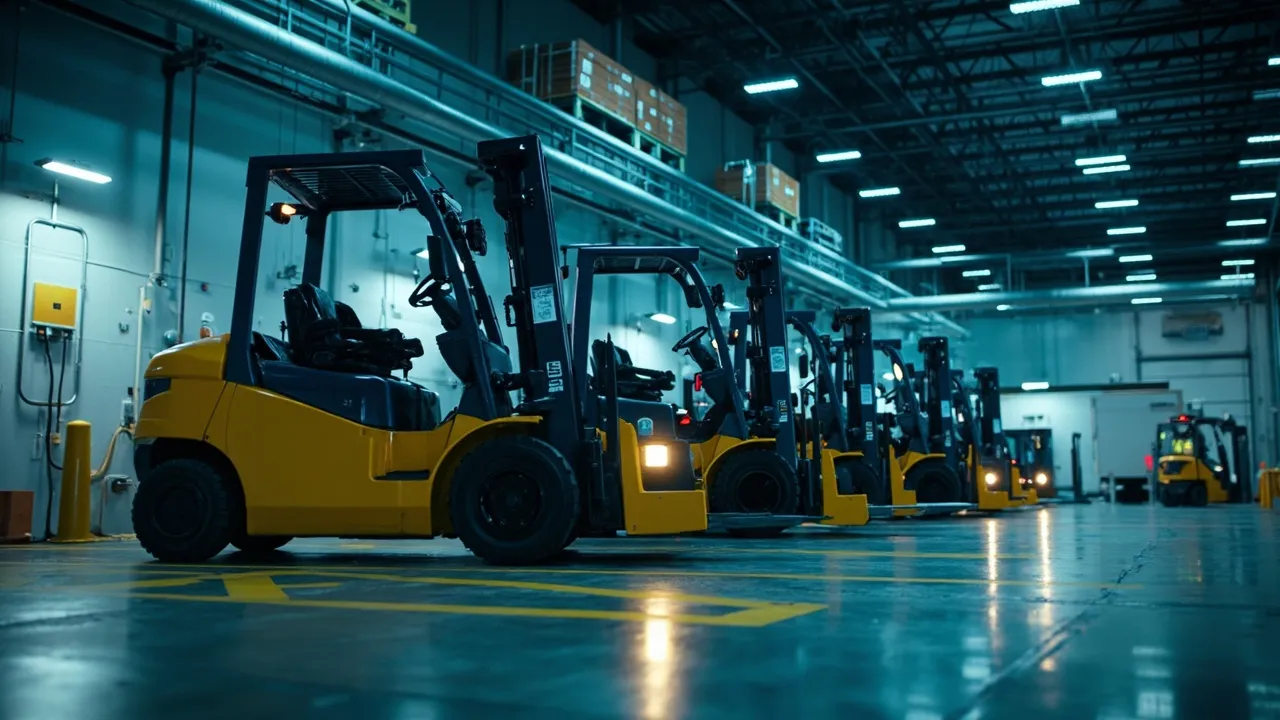
Connected Lift-Truck Batteries Are Becoming Warehouse Energy Dispatch Data
Connected lift-truck batteries are turning warehouse power into dispatch data that affects charging windows, dock schedules, equipment uptime, and shipment execution.
CXTMS InsightsJuly 11, 2026 · 6 min read
Intralogistics M&A Is Turning Box Handling Into an Orchestration Strategy
Comau's Invent acquisition shows how intralogistics M&A is moving box handling, pallet flow, warehouse software, and transportation handoffs into one orchestration strategy.
CXTMS InsightsJuly 11, 2026 · 6 min read
Value-Added Forwarding Growth Makes Service Events the New Margin Record
Value-added forwarding services are growing faster than core transportation management, making billable service-event records critical to freight forwarder margin control.
CXTMS InsightsJuly 11, 2026 · 6 min read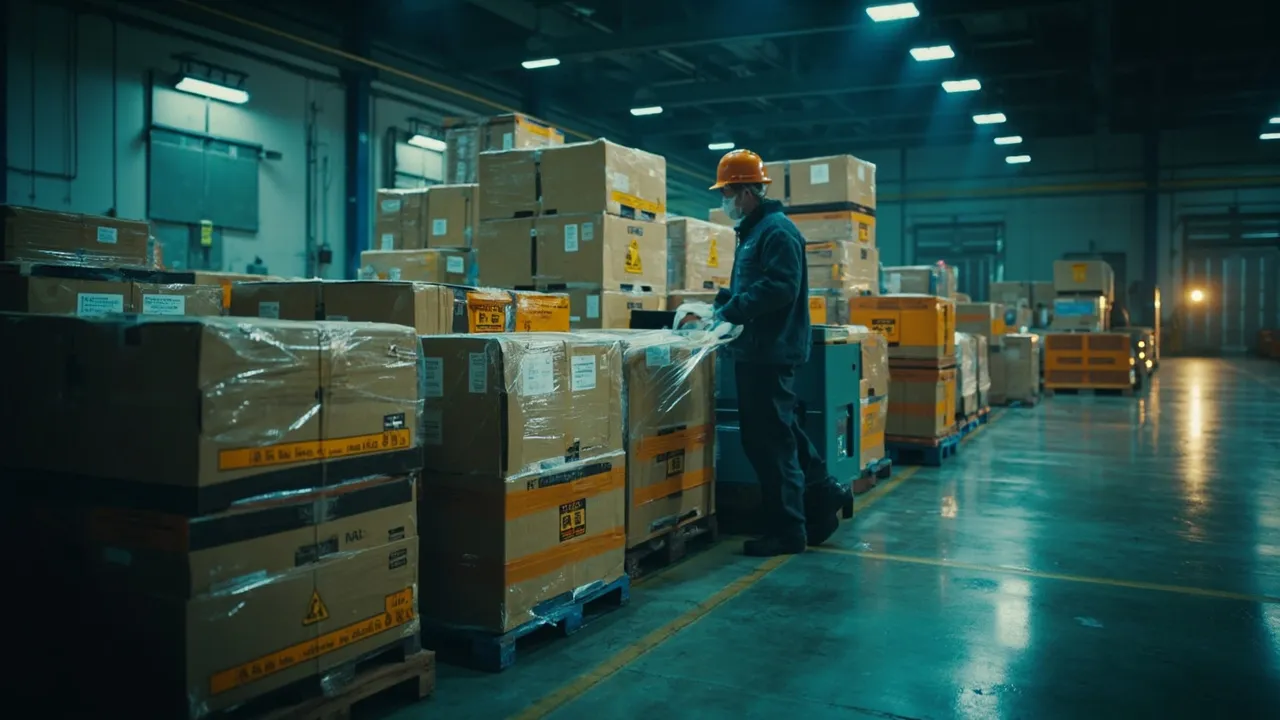
Class 9 Battery Freight Needs Commodity-Level Proof Before It Needs More Capacity
Lithium-ion battery freight is growing, but the real bottleneck is shipment-level proof: chemistry, condition, packaging, carrier qualification, and emergency response.
CXTMS InsightsJuly 10, 2026 · 7 min read
Sustainable Packaging Equipment Is Becoming a Freight Data Source
Sustainable packaging changes are turning machinery limits, material formats, dimensions, durability, and pallet patterns into freight execution data.
CXTMS InsightsJuly 10, 2026 · 6 min read
Tariff Cost Pass-Through Needs Shipment Effective Dates, Not Monthly Averages
Tariff pass-through breaks when finance, customs, and logistics use different dates. Import teams need shipment-level effective-date records for duties, customer notices, and margin control.
CXTMS InsightsJuly 10, 2026 · 6 min read
Warehouse Software Is Becoming the Exception Taxonomy for Automated Operations
Warehouse automation needs shared exception language across WMS, WES, robotics, labor, dock, and transportation systems before AI can reliably improve execution.
CXTMS InsightsJuly 10, 2026 · 7 min read