Insights
Industry insights, integration guides, and product updates from the CXTMS team.
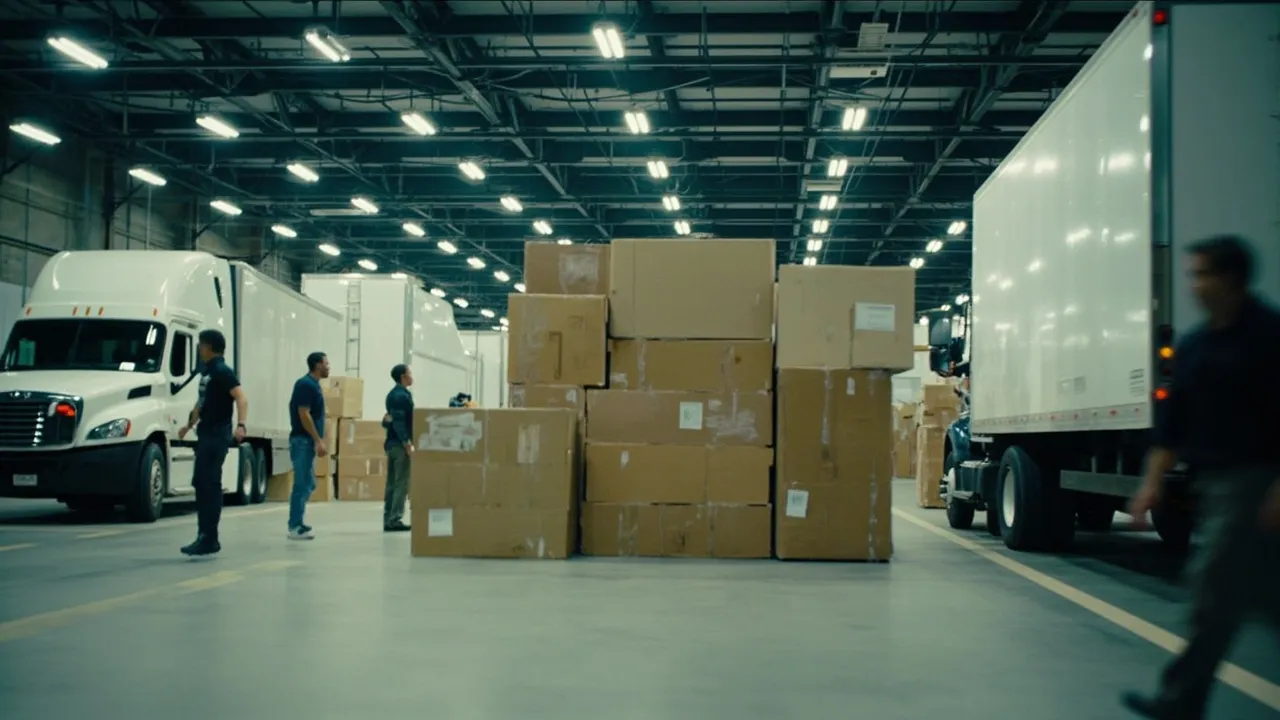
Furniture Distribution Revamps Need Cost-to-Serve Evidence by SKU
La-Z-Boy's distribution revamp shows why furniture logistics savings need SKU-level cost-to-serve evidence across cube, handling, delivery density, and exceptions.
 CXTMS InsightsJuly 13, 20266 min read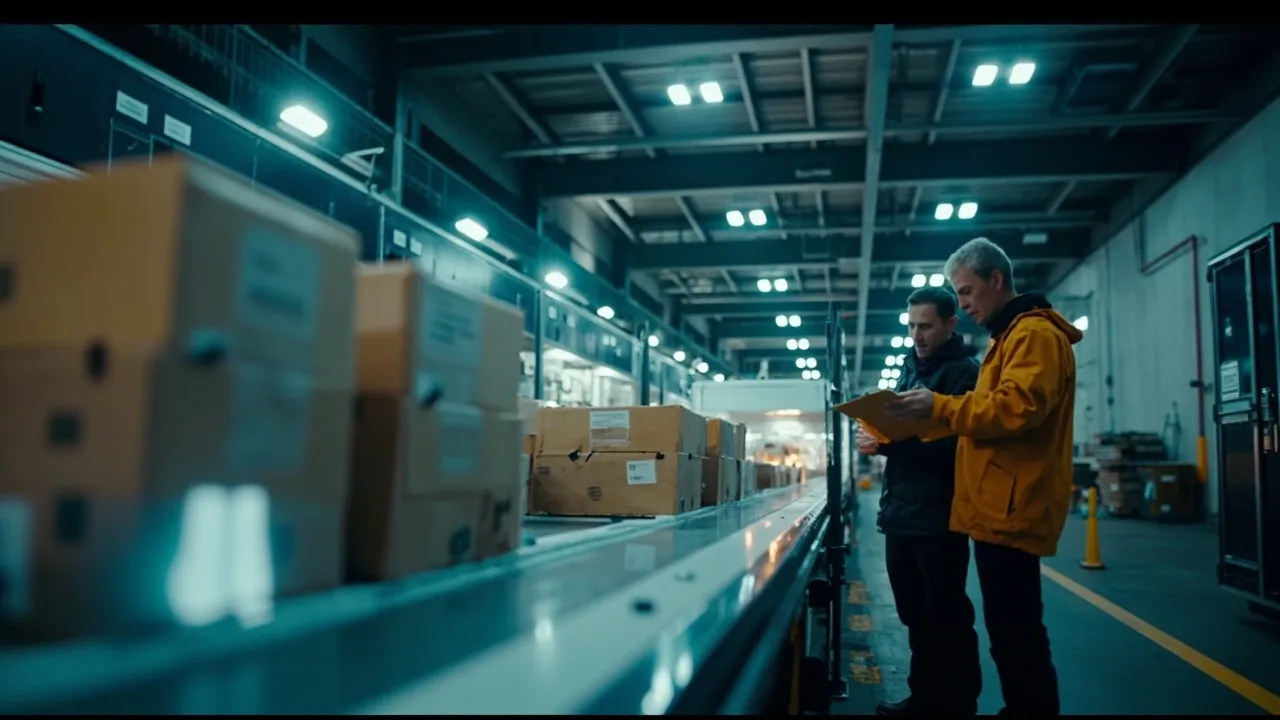
Item-Level Shipment Verification Is Becoming the New ASN Discipline
Item-level RFID verification is raising the standard for ASN accuracy, dock confidence, chargeback prevention, and shipment exception control.
CXTMS InsightsJuly 13, 2026 · 6 min read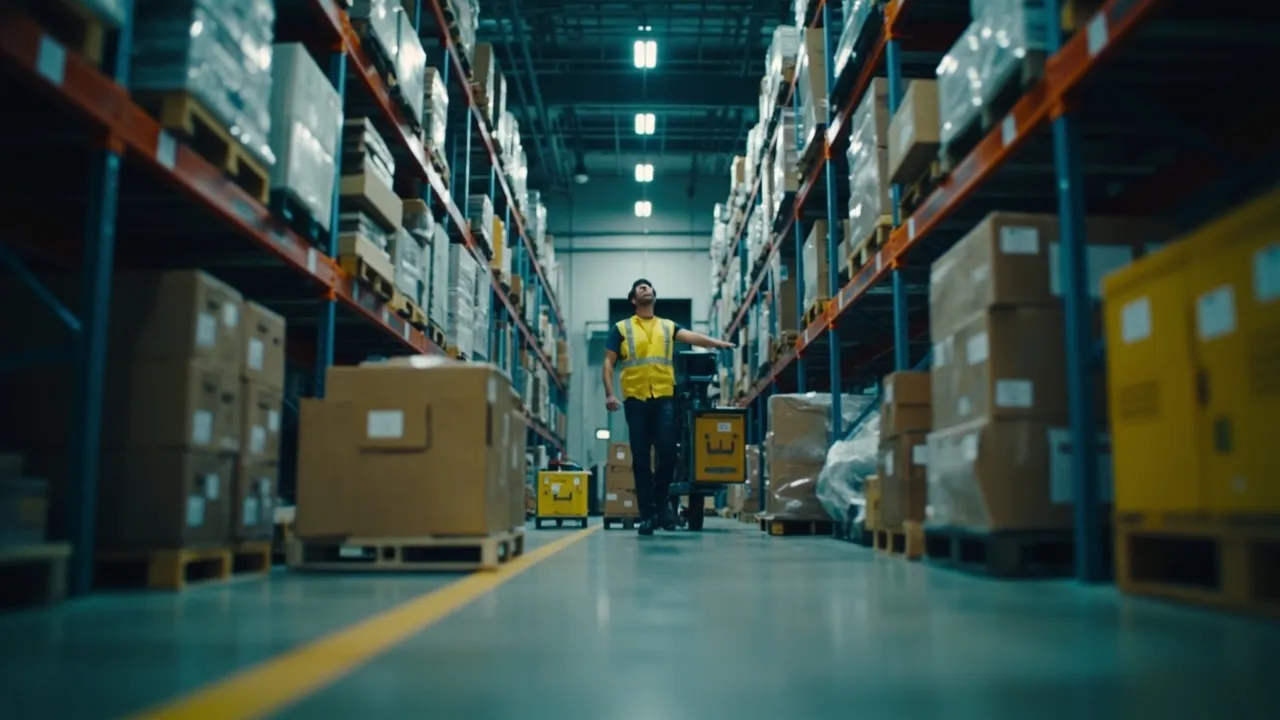
Services Growth Does Not Make Freight Planning Easier
A growing services economy can make freight planning harder when service parts, field inventory, healthcare supplies, and regional delivery promises move on urgent demand signals.
CXTMS InsightsJuly 13, 2026 · 6 min read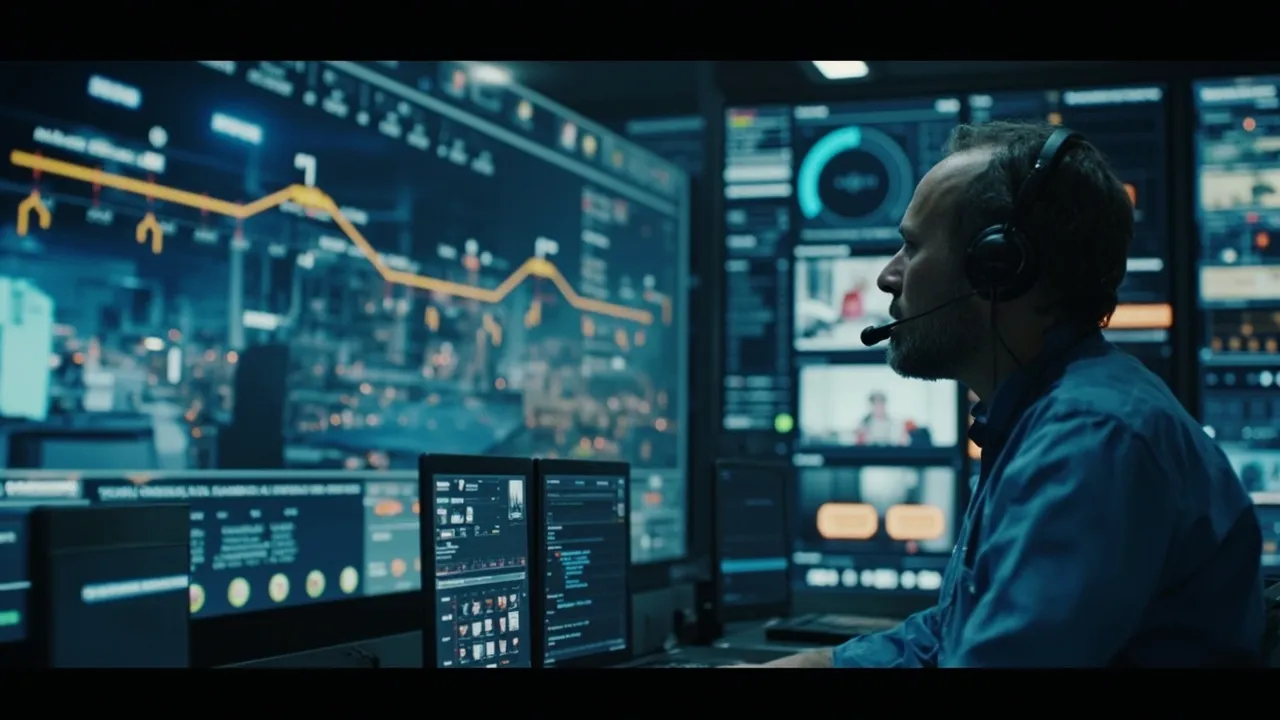
Supply Chain AI Partnerships Need Execution Feedback, Not More Dashboards
Scotts Miracle-Gro's expanded supply chain AI partnership shows why AI planning only works when recommendations are measured against freight execution.
CXTMS InsightsJuly 13, 2026 · 6 min read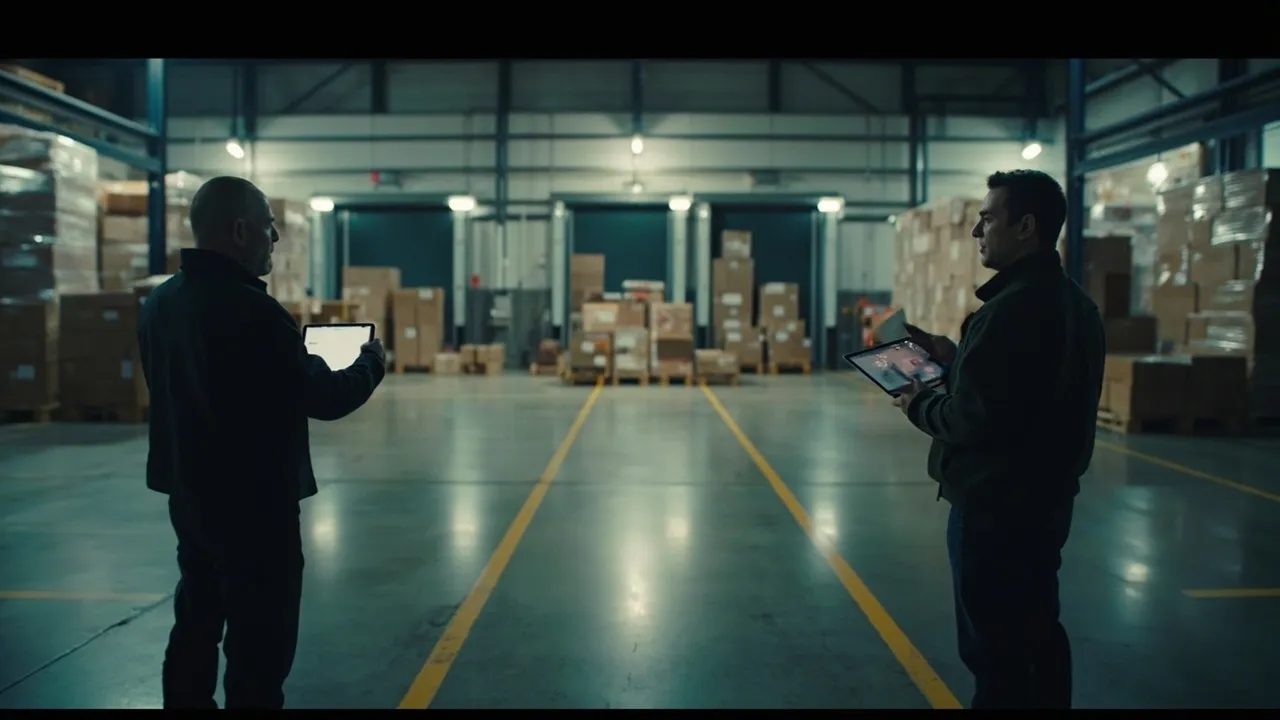
Warehouse Closures Need an Exit Plan Before the Lease Ends
Warehouse closures create hidden logistics risk unless inventory transfers, labor ramp-down, carrier appointments, and customer promises are managed as one exit plan.
CXTMS InsightsJuly 13, 2026 · 6 min read
Freight Tracking Number Lookup Fails When Status Codes Do Not Match Reality
Freight tracking number lookup only works when carrier events, mode-specific milestones, and customer promise states are normalized into one shipment record.
CXTMS InsightsJuly 12, 2026 · 7 min read
Life Sciences Logistics Needs Quality Events Connected to Shipment Milestones
Life sciences logistics teams need quality events, release status, temperature records, and shipment milestones connected before regulated freight turns into costly exceptions.
CXTMS InsightsJuly 12, 2026 · 7 min read
Manufacturing Resilience Depends on Freight Rules Hidden Inside Supplier Decisions
Manufacturing resilience breaks down when supplier changes do not carry the freight rules needed to move parts, protect plant schedules, and control logistics risk.
CXTMS InsightsJuly 12, 2026 · 6 min read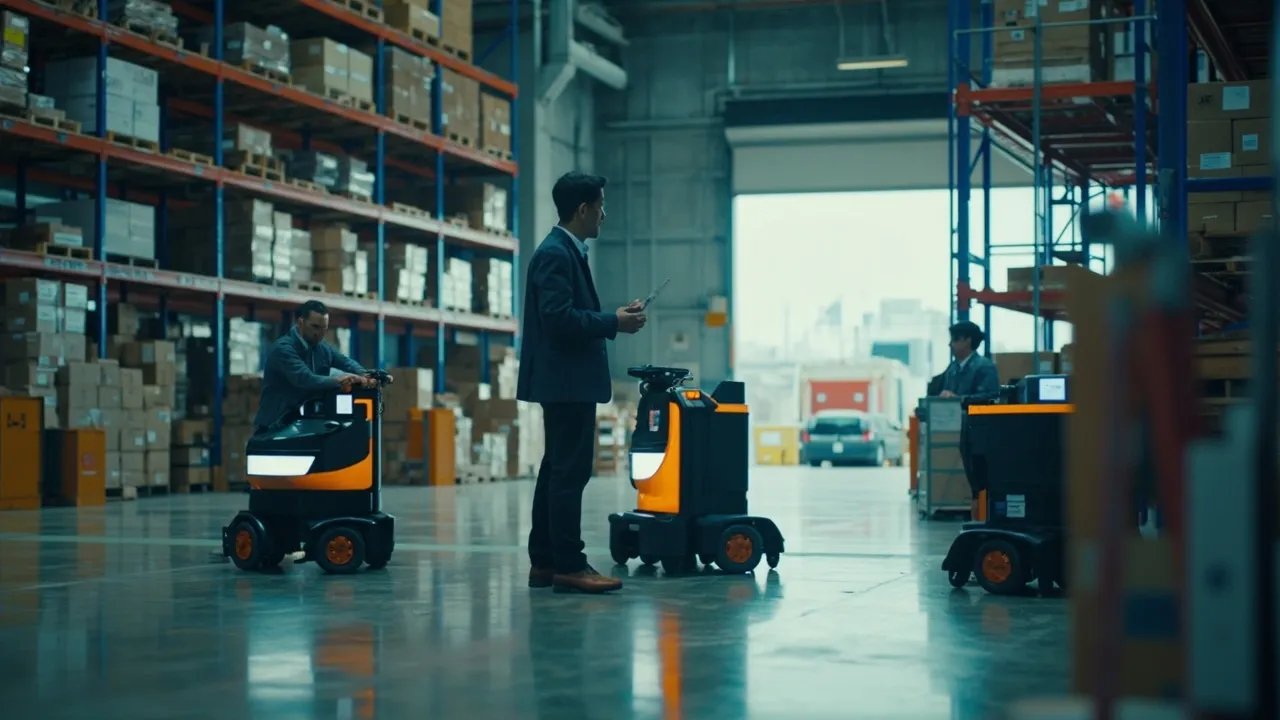
Robotics Warehouse Associate Roles Need Task Evidence, Not Job-Title Panic
Warehouse robotics is changing associate work, but logistics leaders need task-level evidence before they redesign labor plans, dock commitments, and customer promises.
CXTMS InsightsJuly 12, 2026 · 6 min read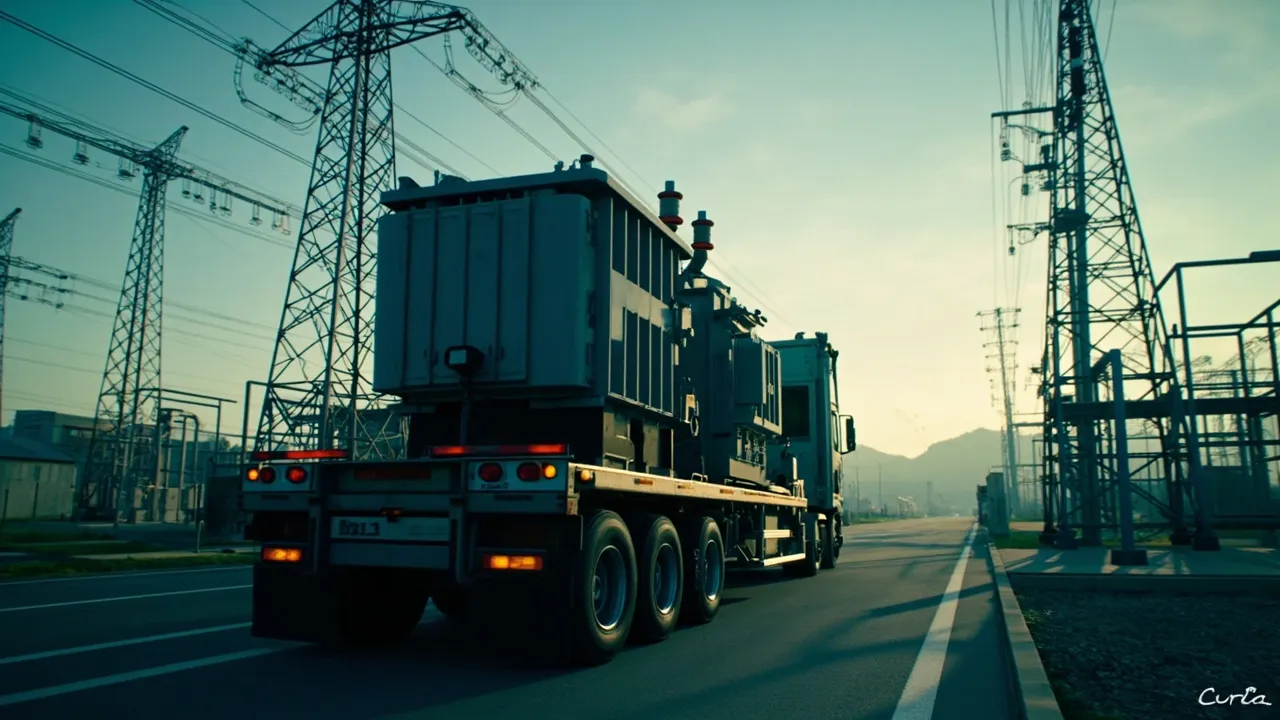
Power and Utility Supply Chains Need Outage-Critical Freight Classification
Utility supply chains need a freight classification model that separates outage-critical grid equipment from ordinary project freight.
CXTMS InsightsJuly 12, 2026 · 7 min read