Insights
Industry insights, integration guides, and product updates from the CXTMS team.

Renewable Energy Safe-Harbor Deadlines Turn Project Cargo Into a Schedule-Risk Workflow
Renewable energy safe-harbor deadlines are making project cargo timing, component origin proof, permits, and commissioning milestones part of one logistics control file.
 CXTMS InsightsJuly 15, 20266 min read
Savannah's Brampton Road Connector Makes Port Drayage a Roadway-Design Problem
Savannah's Brampton Road Connector shows why port drayage visibility now has to account for roadway design, rail crossings, appointment buffers, and inland routing rules.
CXTMS InsightsJuly 15, 2026 · 6 min read
Supply Chain Technology Buyers Need Proof of Orchestration, Not Another Tool List
Supply chain technology buyers have plenty of TMS, WMS, AI, robotics, audit, and decision tools to choose from. The harder question is whether those tools can prove orchestration across daily execution.
CXTMS InsightsJuly 15, 2026 · 6 min read
Trade-Policy Import Swings Are Becoming a Demand-Sensing Problem
Import bookings are rising in a policy-sensitive market. Shippers need demand-sensing discipline to separate tariff avoidance from real replenishment before capacity tightens.
CXTMS InsightsJuly 15, 2026 · 7 min read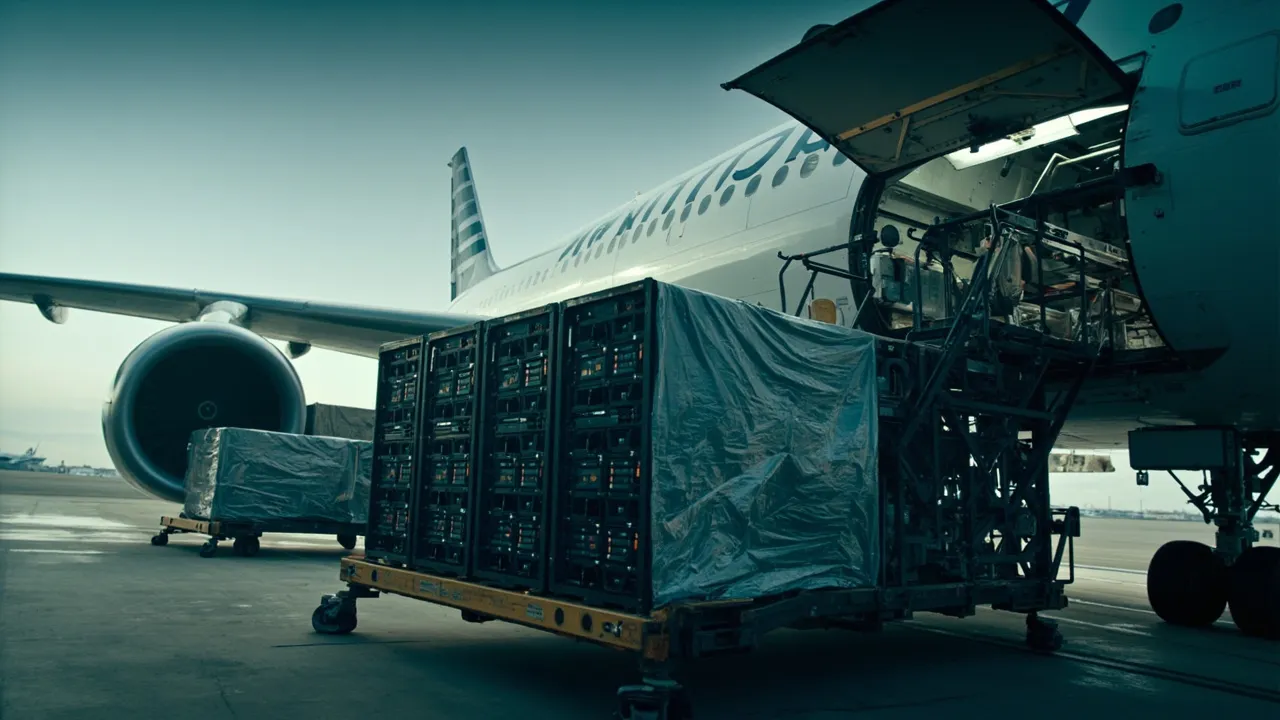
AI Hardware Demand Is Forcing Air Cargo Teams to Prioritize Premium Capacity
AI hardware and semiconductor demand are lifting air cargo volumes and Transpacific spot rates, forcing logistics teams to reserve premium capacity for truly critical shipments.
CXTMS InsightsJuly 14, 2026 · 6 min read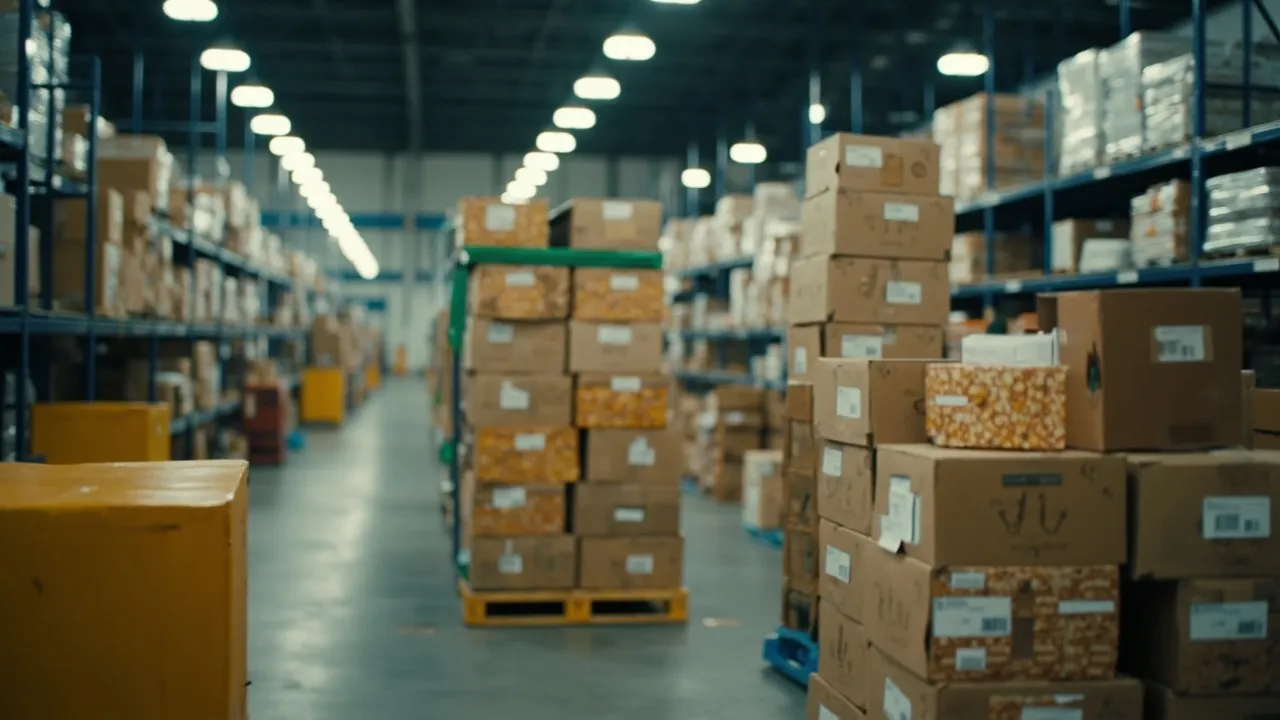
General Mills' Supply Chain Revamp Shows Packaging Flexibility Is Now a Logistics Constraint
General Mills' $3 billion cost-cutting program shows why CPG packaging flexibility now has to connect product design, warehouse flow, transportation cube, and service outcomes.
CXTMS InsightsJuly 14, 2026 · 6 min read
The Gordie Howe Bridge Turns Border Crossing Time Into a Network Design Variable
The Gordie Howe International Bridge gives Detroit-Windsor freight teams a second crossing, new capacity, and a reason to treat border time as structured network data.
CXTMS InsightsJuly 14, 2026 · 6 min read
High-Altitude Freight Damage Needs Lane-Level Securement Rules
High-altitude routes can turn ordinary dunnage choices into freight damage claims. Shippers need lane-level securement rules tied to elevation, product crush profiles, and carrier instructions.
CXTMS InsightsJuly 14, 2026 · 6 min read
June's 71.1 LMI Reading Means Inventory Is Moving Before Capacity Is Ready
June's Logistics Managers' Index shows inventory rebuilding, tighter warehouse space, and elevated freight prices converging in the same planning cycle.
CXTMS InsightsJuly 14, 2026 · 6 min read
Mexico's Driver Shortage Makes Cross-Border Capacity a Workforce Problem
Mexico's commercial-driver shortage is turning cross-border capacity into a workforce-risk problem for shippers, carriers, and logistics teams.
CXTMS InsightsJuly 14, 2026 · 6 min read