Insights
Industry insights, integration guides, and product updates from the CXTMS team.
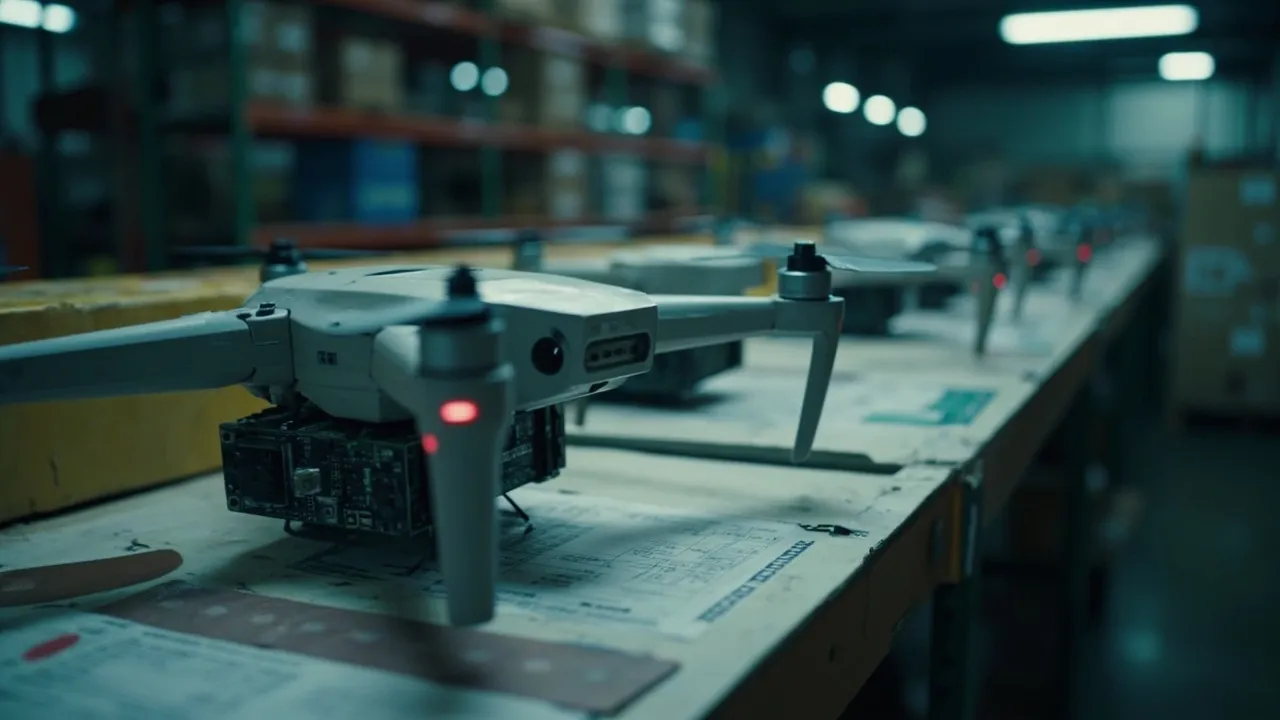
100% Drone Tariffs Turn Country-of-Origin Data Into a Logistics Control
New 100% drone tariffs make country-of-origin evidence a shipment-release requirement across purchasing, customs, and transportation operations.
 CXTMS InsightsAugust 16, 20266 min read
Ford’s Lincoln Sourcing Shift Creates a Vehicle Supply Chain Cutover Problem
Ford’s planned shift away from China-built Lincoln models shows why automotive sourcing changes require VIN-level inventory, parts, and logistics controls.
CXTMS InsightsAugust 16, 2026 · 6 min read
Foreign Investment Is Exposing the Missing Links in U.S. Industrial Logistics
Foreign manufacturing investment can expose weak supplier, utility, warehouse, and freight links. Here is a practical readiness scorecard for industrial sites.
CXTMS InsightsAugust 16, 2026 · 5 min read
Low-Code WMS Needs Change Controls Before It Needs More Citizen Developers
Low-code tools can make warehouse systems more adaptable, but safe deployment requires testing, approvals, rollback plans, and audit trails.
CXTMS InsightsAugust 16, 2026 · 6 min read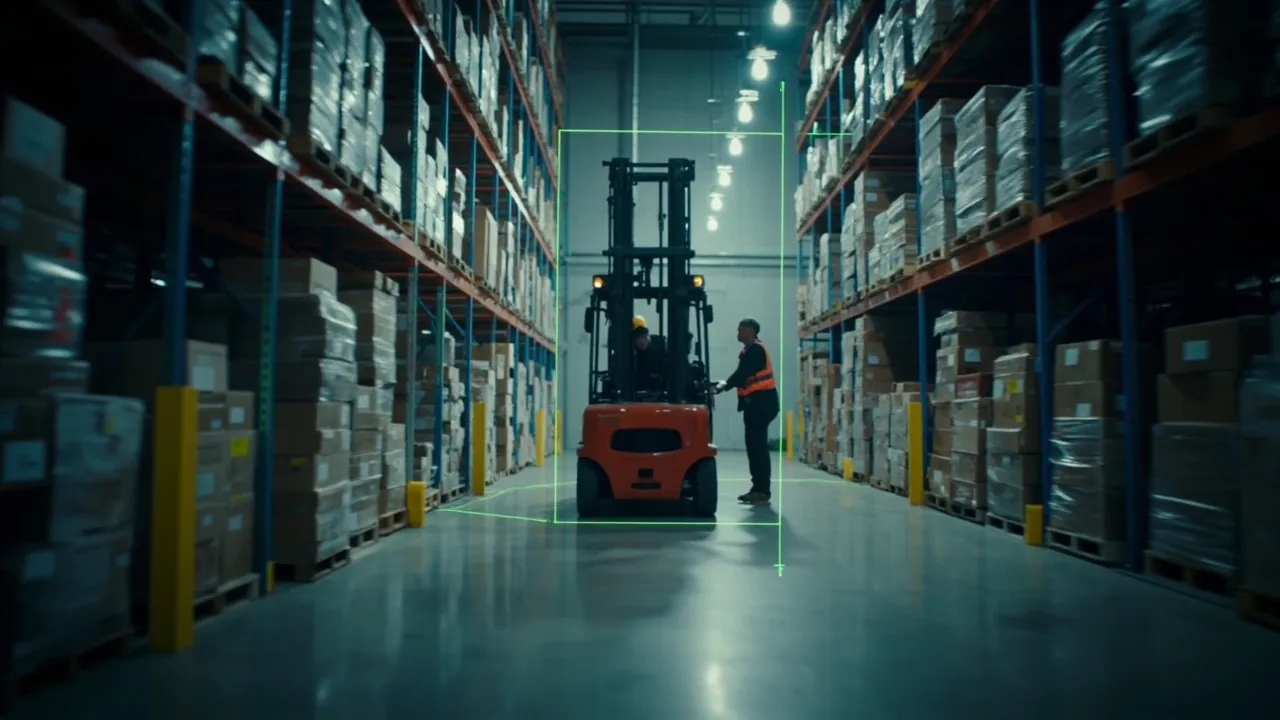
Narrow-Aisle Forklift Safety Data Should Become a Warehouse Event Stream
Forklift sensors can do more than prevent a collision. Connected safety events can reveal aisle congestion, slotting problems, maintenance risks, and training needs.
CXTMS InsightsAugust 16, 2026 · 6 min read
Tariff Evasion Through 40 Countries Raises the Bar for Transshipment Evidence
As tariff enforcement targets suspected transshipment through more than 40 countries, importers need shipment-level evidence connecting origin, production, routing, and customs data.
CXTMS InsightsAugust 16, 2026 · 5 min read
Trade Compliance Costs Need a Shipment-Level Ownership Model
Tariffs, classifications, broker fees, and corrections belong in shipment-level landed cost, backed by named owners and a clear escalation trail.
CXTMS InsightsAugust 16, 2026 · 6 min read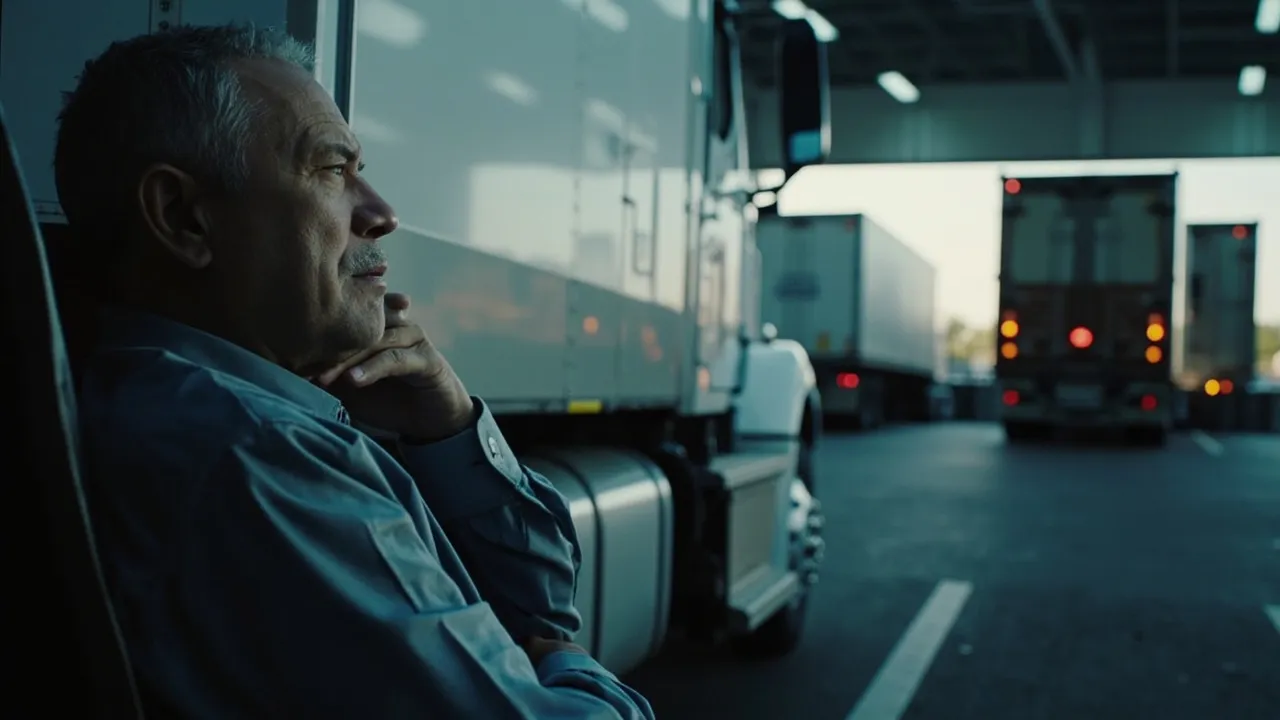
Truck Driver Health Belongs in the Freight Capacity Risk Model
Driver health affects absenteeism, retention, and usable truck capacity. Shippers and carriers can reduce the risk through better schedules, facilities, and scorecards.
CXTMS InsightsAugust 16, 2026 · 6 min read
The UPS–Teamsters 2028 Contract Is Already a Parcel Network Planning Risk
Parcel shippers should prepare now for the 2028 UPS–Teamsters negotiation with carrier qualification, volume caps, scenario data, and clear reallocation triggers.
CXTMS InsightsAugust 16, 2026 · 6 min read
3PL Quality Is More Than On-Time Delivery: A 2026 Shipper Scorecard
Build a practical 2026 3PL scorecard that measures acceptance, visibility, exceptions, claims, billing, and recovery—not only on-time delivery.
CXTMS InsightsAugust 15, 2026 · 5 min read