Insights
Industry insights, integration guides, and product updates from the CXTMS team.
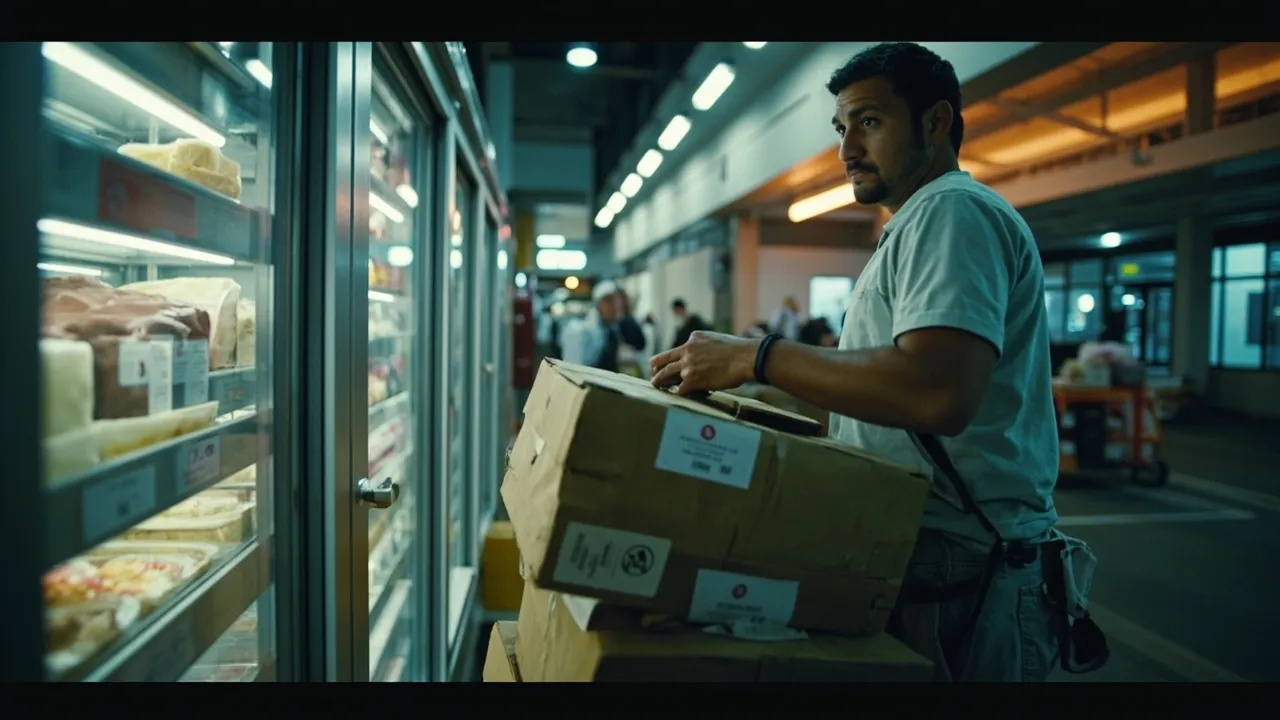
Foodservice Distribution’s Next Upgrade Is a Case-Level Delivery Exception Record
Case-level delivery exception records connect warehouse picks, routes, proof of delivery, and credits to resolve foodservice shortages and damage faster.
 CXTMS InsightsAugust 23, 20266 min read
Google Maps Large Vehicle Routing: The Dispatch Guardrails Truck Fleets Still Need
Google Maps now supports truck-aware routing, but fleets still need TMS controls for equipment, hazmat, permits, closures, and route exceptions.
CXTMS InsightsAugust 23, 2026 · 5 min read
ID Logistics’ $2.6 Million Settlement Is a Warning About Warehouse Labor Cost Evidence
The ID Logistics settlement shows why warehouse operators need traceable payroll, shift, site, and cost-center evidence for relief claims and customer billing.
CXTMS InsightsAugust 23, 2026 · 6 min read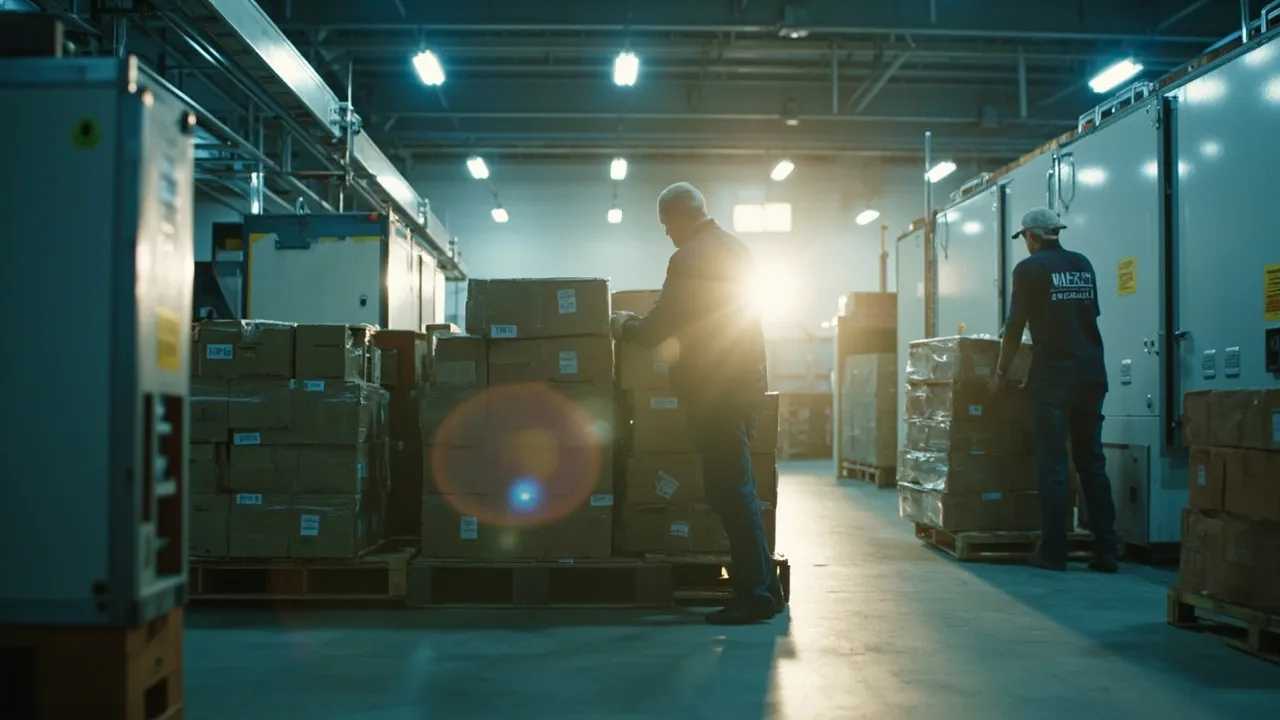
Lower-Carbon Food Packaging Must Survive the Freight Network, Not Just the Lab
A practical lane-based validation framework for proving that lower-carbon food packaging can reduce emissions without increasing damage, spoilage, or freight cost.
CXTMS InsightsAugust 23, 2026 · 6 min read
Stop-Gap Transportation Funding Needs a Freight Project Continuity Ledger
A freight project continuity ledger helps shippers turn uncertain transportation funding, award timing, and construction schedules into practical routing and capacity triggers.
CXTMS InsightsAugust 23, 2026 · 6 min read
Trucking’s Regulatory Supercycle Needs a Capacity Attribution Model
Learn how shippers can distinguish regulation-driven trucking capacity loss from seasonality, demand shifts, carrier exits, and equipment constraints.
CXTMS InsightsAugust 23, 2026 · 5 min read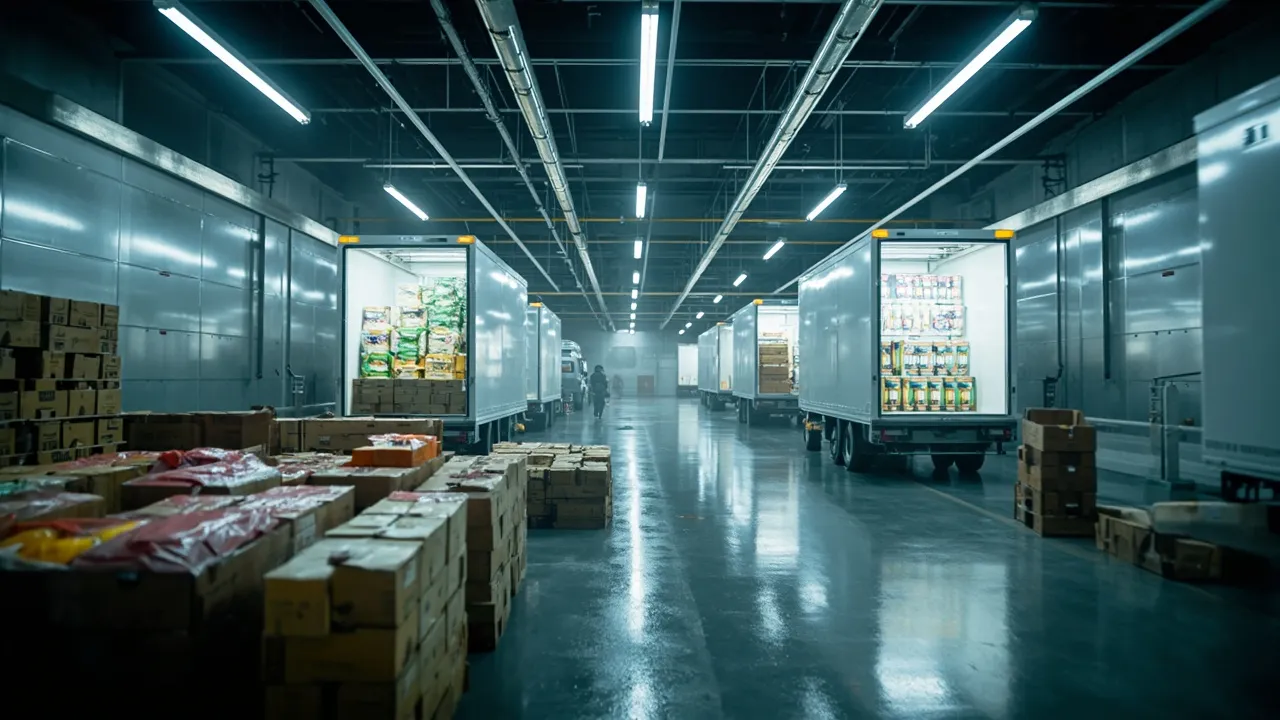
USDA's $7.5 Million Cold Chain Grant Calls for Equipment-to-Shipment Traceability
USDA's $7.5 million cold chain grant can add food distribution capacity, but equipment-to-shipment traceability is what proves utilization and impact.
CXTMS InsightsAugust 23, 2026 · 5 min read
The Aircraft Supply Crunch Through 2030: What It Means for Air Cargo Capacity
Aircraft delivery delays could constrain air cargo capacity through 2030. Learn what forwarders should monitor across belly space, freighters, leases, and lanes.
CXTMS InsightsAugust 22, 2026 · 5 min read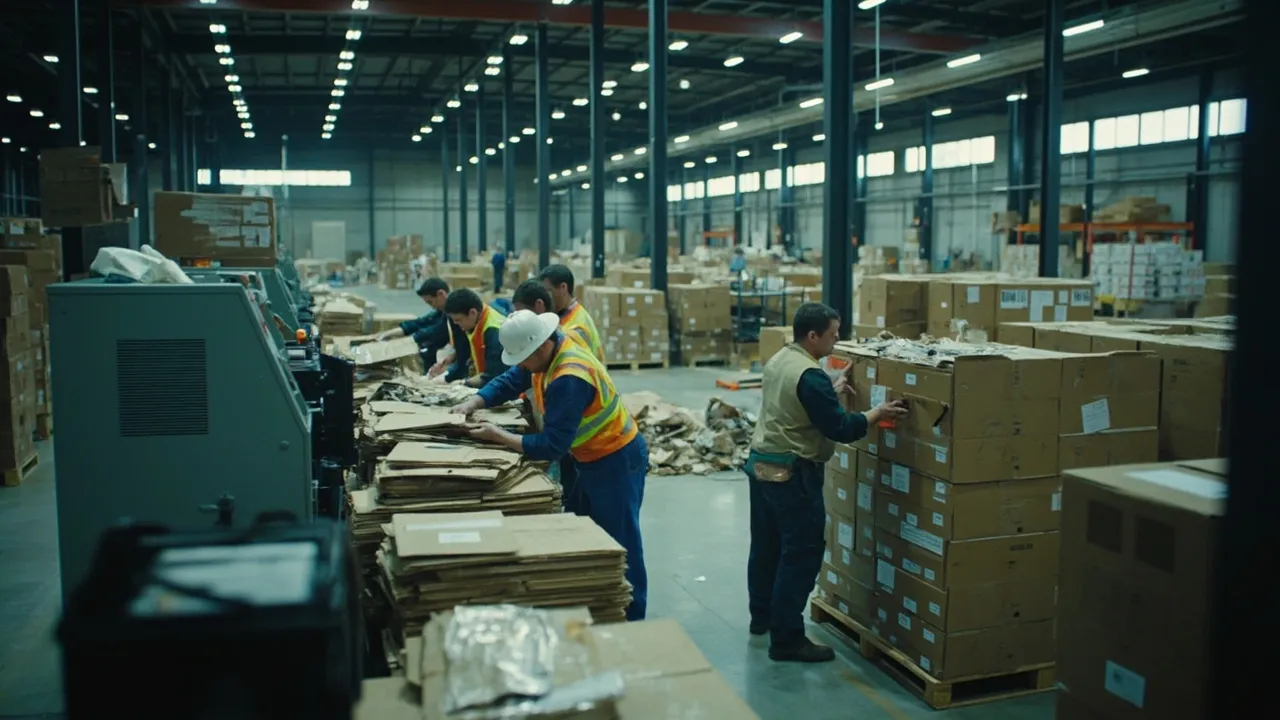
Best Buy’s Zero-Waste Logistics Playbook: What 29 Certified Facilities Prove
See how Best Buy certified 29 supply chain facilities as zero waste—and turn its diversion, audit, packaging, and reverse-logistics practices into an operating scorecard.
CXTMS InsightsAugust 22, 2026 · 6 min read
Birkenstock's 10% Growth Capacity Plan: Turning Factory Expansion Into Reliable Fulfillment
Birkenstock's production expansion shows why factory capacity, inventory, transportation, and fulfillment must scale as one connected operating system.
CXTMS InsightsAugust 22, 2026 · 6 min read