Insights
Industry insights, integration guides, and product updates from the CXTMS team.
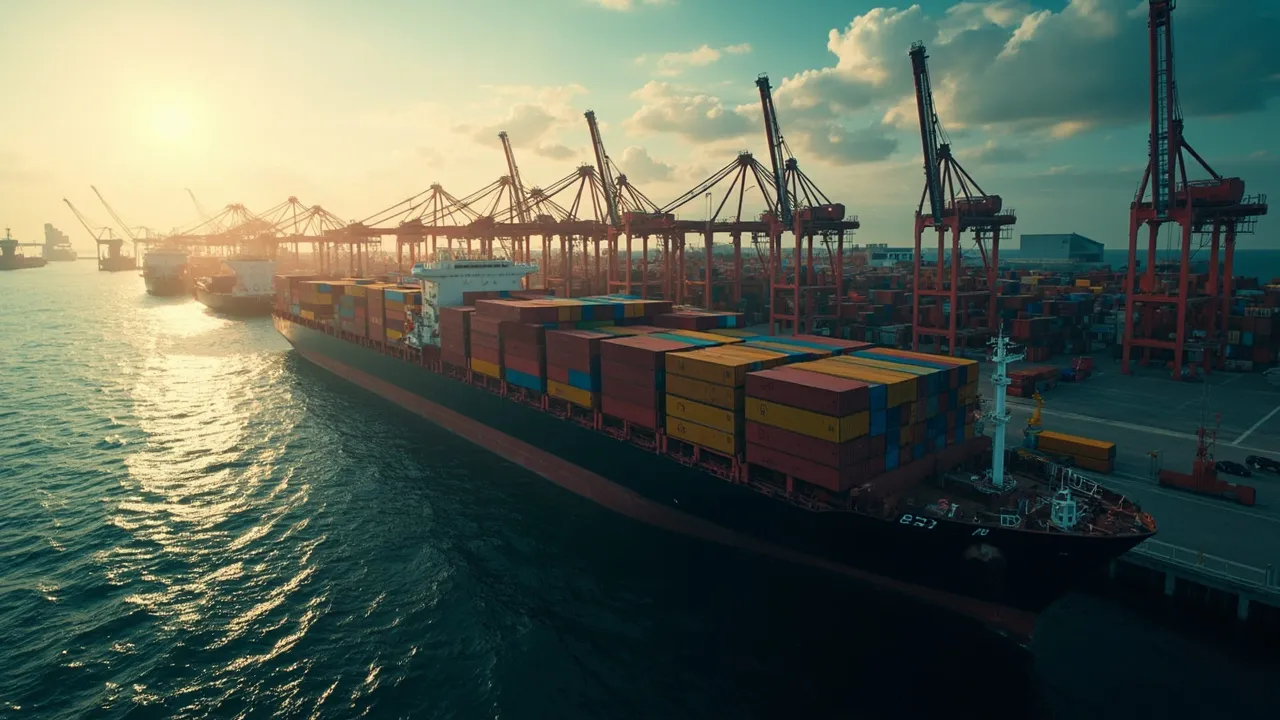
Shipbuilding Subsidies Won’t Fix Ocean Resilience Overnight, but the Debate Matters to Every Importer
Shipbuilding subsidies are back in the policy spotlight, but importers need a harder view of ocean resilience. Here is what the U.S. maritime push changes, what it does not, and where operators should focus now.
 CXTMS InsightsApril 15, 20266 min read
What the Top 50 Trucking Companies Get Right in 2026, and Why Shippers Should Care
The biggest trucking carriers are not winning on scale alone. In 2026, the leaders are separating themselves through pricing discipline, service consistency, network breadth, and cultures that keep experienced people in the building.
CXTMS InsightsApril 15, 2026 · 5 min read
Warehouse Retention in 2026 Starts With the Building, Not Just the Hiring Plan
Warehouse retention in 2026 depends on more than wages. Lighting, ergonomics, temperature, noise, and automation-ready design now directly shape turnover, productivity, and operating resilience.
CXTMS InsightsApril 15, 2026 · 7 min read
Air Cargo Is Still the Shock Absorber, but the New Playbook Is Ocean-Air via Los Angeles
Air cargo is still absorbing global trade shocks in 2026, but rising rates and Middle East disruption are pushing shippers toward a more tactical model: ocean-air routings through Los Angeles.
CXTMS InsightsApril 14, 2026 · 6 min read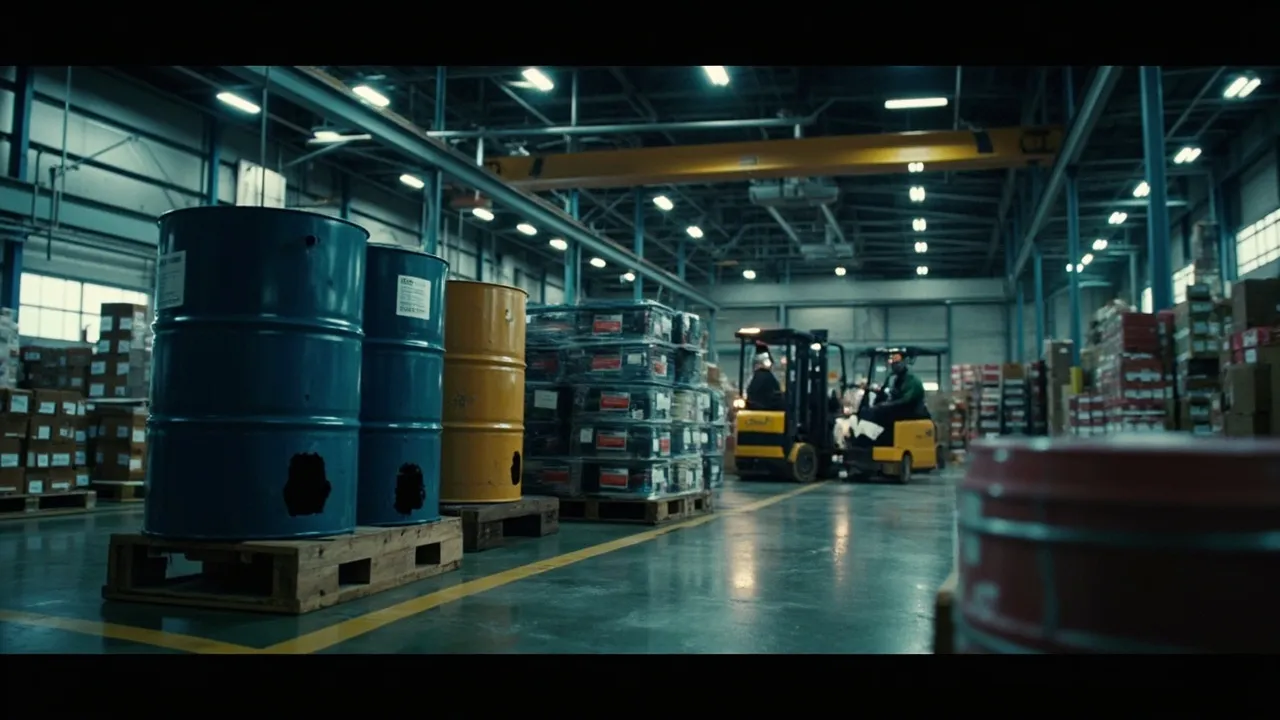
Defense Logistics at Scale: What a $2.3 Billion ChemPOL Contract Reveals About Chemical and Oil Supply Chain Discipline
A new $2.3 billion Defense Logistics Agency ChemPOL contract shows what disciplined chemical and packaged petroleum logistics really looks like, and why commercial shippers should copy more of it.
CXTMS InsightsApril 14, 2026 · 6 min read
Domestic Rare Earth Supply Chains Are Getting Real: Why Logistics Leaders Should Care About Montana-to-Magnet Flows
A new domestic rare earth agreement around Montana’s Sheep Creek deposit is more than a mining headline. It is a logistics signal for shippers exposed to magnet supply, defense-adjacent manufacturing, and critical-mineral volatility.
CXTMS InsightsApril 14, 2026 · 6 min read
Europe Is Recalibrating Around Tariff Uncertainty, and Transatlantic Logistics Contracts Are Caught in the Middle
Europe's logistics market is being forced to reprice risk as temporary U.S. tariffs, a 150-day Section 122 window, and delayed EU trade ratification scramble transatlantic contract planning.
CXTMS InsightsApril 14, 2026 · 6 min read
Gartner’s 2026 Magic Quadrant for Source-to-Pay Suites: What Procurement-Led Logistics Teams Should Actually Look For
Gartner’s 2026 Magic Quadrant for Source-to-Pay Suites is a useful signal for logistics leaders, but the real question is whether an S2P platform can control landed cost, supplier risk, and freight spend under constant disruption.
CXTMS InsightsApril 14, 2026 · 7 min read
Manufacturing Is Expanding Again, but Supplier Deliveries Are Sending a Warning Signal
U.S. manufacturing is expanding again in 2026, but slower supplier deliveries, surging input costs, and softer order momentum are warning logistics teams not to confuse growth with stability.
CXTMS InsightsApril 14, 2026 · 6 min read
Packaging Supply Chains Are the New Geopolitical Stress Test for Consumer Brands
Packaging has become a frontline logistics problem in 2026 as metal tariffs, conflict disruption, and supplier concentration force consumer brands to rethink sourcing, inventory, and packaging design.
CXTMS InsightsApril 14, 2026 · 6 min read