Insights
Industry insights, integration guides, and product updates from the CXTMS team.

Shippers Are Still Underwhelmed by Forwarder Tech, and That Gap Is Becoming Expensive
Shippers increasingly expect forwarders to deliver real visibility, faster quoting, and connected execution, but many providers still lag on core technology capabilities.
 CXTMS InsightsApril 16, 20267 min read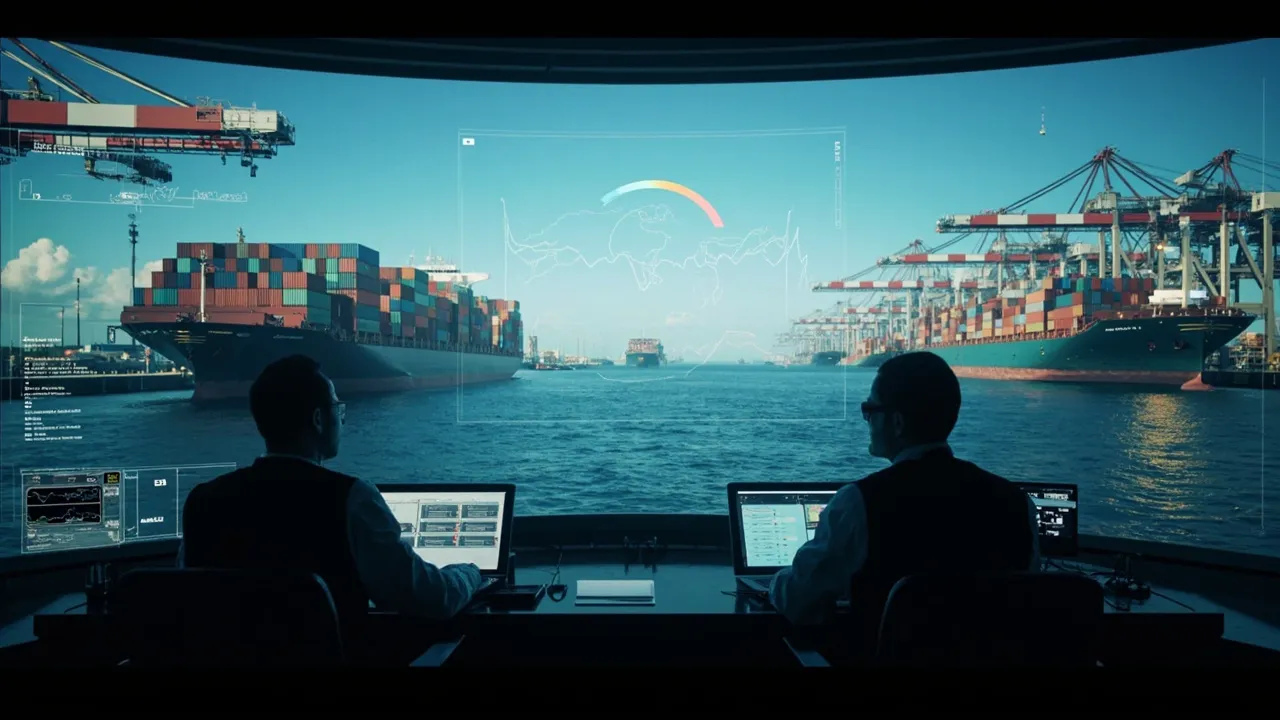
Ocean Freight Teams Need a Smarter Operating System, Not Just Better Rate Negotiations
In volatile trade lanes, ocean freight performance depends less on chasing one cheaper rate and more on structured planning, carrier diversification, KPI discipline, and exception-ready execution.
CXTMS InsightsApril 16, 2026 · 6 min readThe U.S. Gulf Coast Tanker Squeeze Is a Reminder That Energy Logistics Can Tighten Fast
The latest U.S. Gulf Coast tanker crunch shows how fast vessel availability, freight rates, and downstream supply chain costs can spike when global energy trade flows get rerouted.
CXTMS InsightsApril 16, 2026 · 6 min read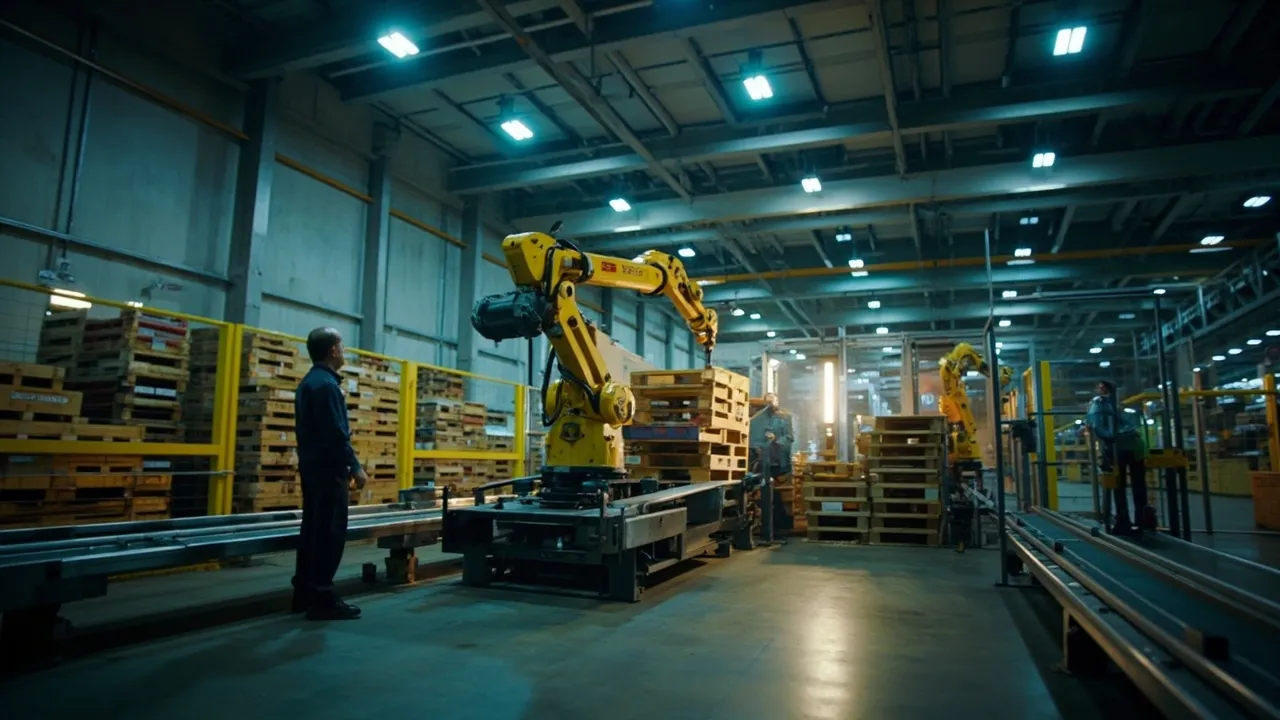
The Real Warehouse Robotics Bottleneck in 2026 Is Change Management, Not Hardware
Warehouse robotics adoption is rising fast in 2026, but operators are learning that change management, skills, and workflow redesign matter more than the next shiny machine.
CXTMS InsightsApril 16, 2026 · 6 min read
Accessorial Management for Freight in 2026: How Shippers Stop Surcharges From Quietly Wrecking Margins
Accessorial charges are climbing again in 2026. Learn how shippers can control detention, demurrage, reclassification, and surcharge leakage before margins disappear.
CXTMS InsightsApril 15, 2026 · 6 min read
AI in Manufacturing Security Is Getting Weird Fast, and Logistics Teams Are in the Blast Radius
Manufacturing AI security risk is no longer just an IT problem. Here is why adversarial AI, supplier cyber compliance, and production disruptions now belong in every logistics continuity plan.
CXTMS InsightsApril 15, 2026 · 7 min read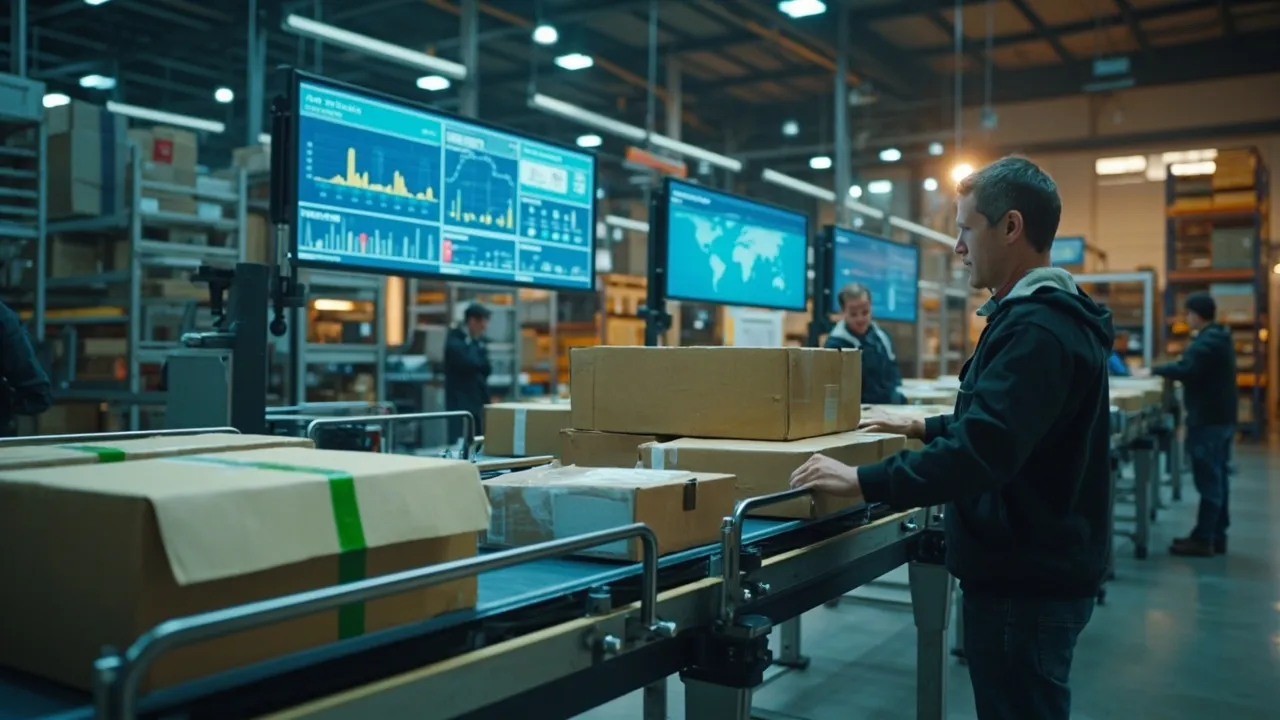
AI Is Finally Moving Into Packaging Operations, and That Matters More Than It Sounds
AI is moving from packaging pilots into real operations in 2026. Here is why packaging data, right-sized automation, and machine vision now matter for throughput, labor, damage, and parcel costs.
CXTMS InsightsApril 15, 2026 · 6 min read
Diesel Above $5 Changes the Freight Math Again, Especially for Mid-Sized Carriers
Diesel above $5 per gallon is squeezing trucking margins again in 2026. Here is what that means for mid-sized carriers, shipper pricing, routing, and fuel-sensitive freight strategy.
CXTMS InsightsApril 15, 2026 · 7 min read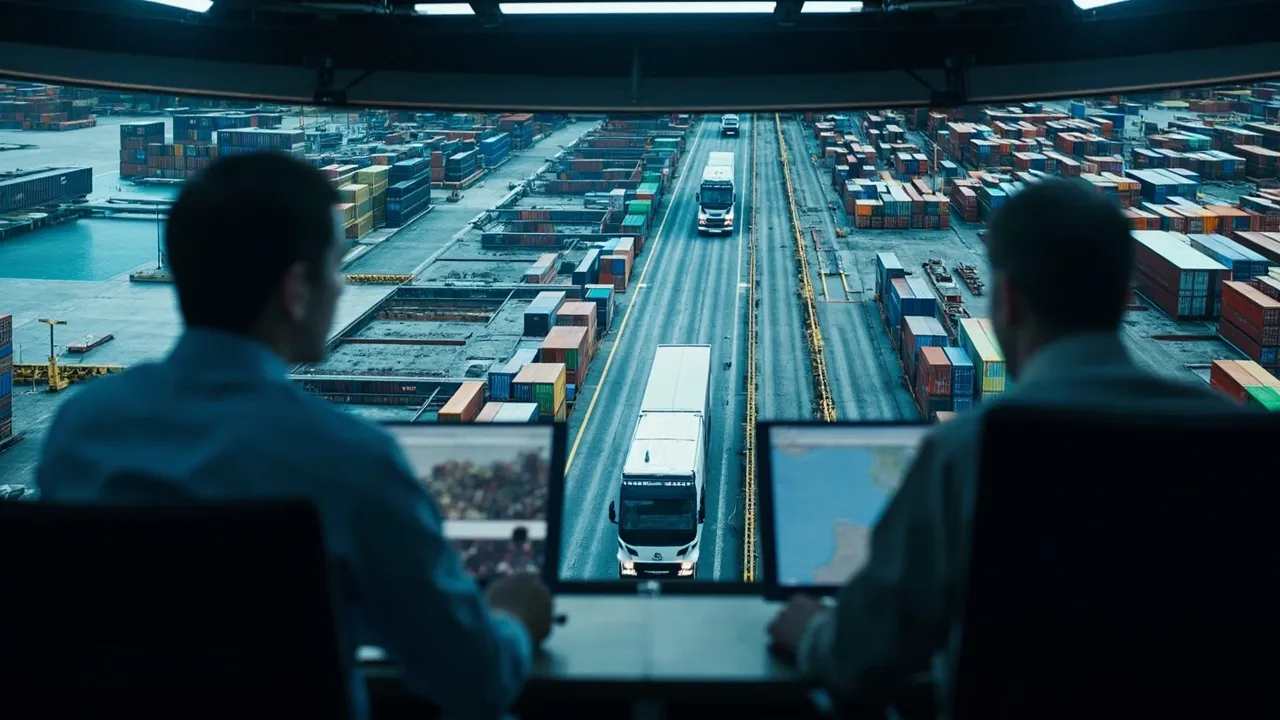
McKinsey’s Supply Chain Risk Pulse Survey Still Says the Same Thing: Visibility Without Buffers Is a Trap
McKinsey’s supply chain risk research shows a stubborn gap between visibility and true resilience. Companies can see more, but too many are still cutting buffers before their networks are actually ready.
CXTMS InsightsApril 15, 2026 · 6 min read
NRF’s 2026 Retail Sales Forecast Is a Logistics Story First, Not Just a Consumer Story
NRF’s 2026 retail outlook points to stronger consumer demand, but the real story is what that growth means for inventory placement, replenishment speed, parcel costs, and returns pressure across logistics networks.
CXTMS InsightsApril 15, 2026 · 6 min read