Insights
Industry insights, integration guides, and product updates from the CXTMS team.

A $4 Million Panama Canal Line-Jump Fee Tells You Congestion Pricing Has Gone Completely Ferocious
A reported $4 million Panama Canal auction payment shows how fast maritime congestion costs can blow up, and why importers need sharper routing, contract, and inventory plans.
 CXTMS InsightsApril 18, 20266 min read
Right-Sized Packaging Is Quietly Becoming One of the Smartest Warehouse Automation Bets in 2026
Right-sized packaging is not a side project anymore. It is a practical way to cut DIM charges, corrugated waste, labor touches, and trailer inefficiency without betting the farm on flashy robotics.
CXTMS InsightsApril 18, 2026 · 5 min read
The Next Semiconductor Shortage Will Punish Slow Supply Chains First
Another chip squeeze is building around AI-era demand and concentrated supply. The companies that move fastest on visibility, buffers, and premium freight planning will take less damage.
CXTMS InsightsApril 18, 2026 · 6 min read
AI in Transportation Has Hit the Majority Stage, but Most Teams Are Still Using It Too Narrowly
AI use is now mainstream in transportation, but many teams are still limiting it to reporting instead of turning it into faster, more automated operational decisions.
CXTMS InsightsApril 16, 2026 · 7 min read
China’s New Cross-Border E-Commerce Push Could Reshape Import Routing and Sourcing Strategy
China’s latest e-commerce guidance signals a more structured push into cross-border trade, forcing importers to rethink parcel routing, sourcing optionality, customs design, and fulfillment models in 2026.
CXTMS InsightsApril 16, 2026 · 6 min read
Depalletizing Has Quietly Become One of Warehouse Automation’s Most Useful 2026 Use Cases
Depalletizing is turning from an ugly manual bottleneck into a practical automation priority for warehouses under pressure to move inbound freight faster and safer.
CXTMS InsightsApril 16, 2026 · 6 min read
Digital Twins Are Finally Becoming Practical Warehouse Tools, Not Conference Fodder
Warehouse digital twins are moving from slide-deck hype to measurable operational value, especially in inventory validation, labor planning, slotting, and congestion analysis.
CXTMS InsightsApril 16, 2026 · 6 min read
Freight Forwarders Have a Cybersecurity Blind Spot, and 2026 Is a Bad Year for One
Freight forwarders are investing in visibility and AI, but too few are prioritizing cybersecurity and compliance as digital exposure grows across customs, portals, and partner APIs.
CXTMS InsightsApril 16, 2026 · 6 min read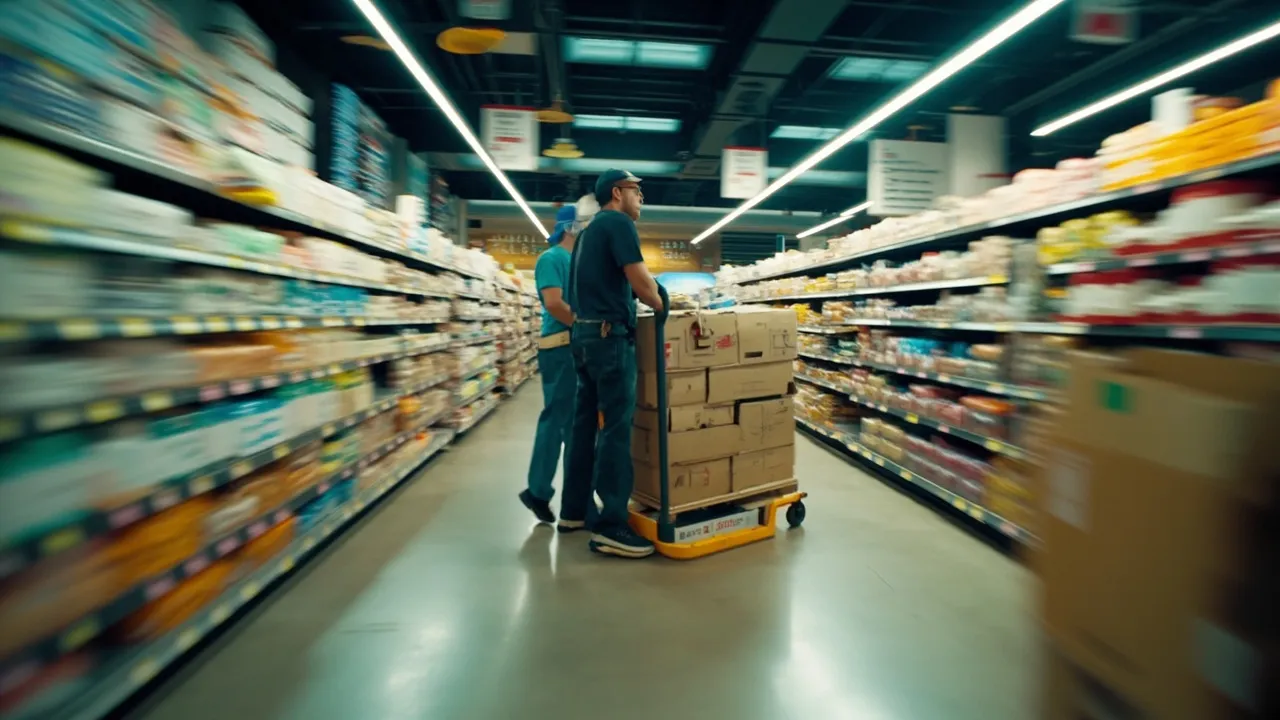
Half Pallets Are a Small Format Fix for a Big Direct-to-Store Delivery Problem
Half pallets are becoming a serious retail logistics lever because they reduce store-delivery friction, improve trailer cube, and help teams replenish shelves faster with fewer touches.
CXTMS InsightsApril 16, 2026 · 6 min read
Shippers Are Still Underwhelmed by Forwarder Tech, and That Gap Is Becoming Expensive
Shippers increasingly expect forwarders to deliver real visibility, faster quoting, and connected execution, but many providers still lag on core technology capabilities.
CXTMS InsightsApril 16, 2026 · 7 min read