Insights
Industry insights, integration guides, and product updates from the CXTMS team.

Cargo Theft Is Becoming a Board-Level Fleet Risk, Not Just a Security Problem
Nearly 40% of fleet operators are more worried about cargo theft than a year ago. With organized theft rings using fake carrier identities and forged pickup numbers, the industry's security playbook is broken. Here's how shippers need to respond.
 CXTMS InsightsApril 27, 20265 min read
CBP’s New Authentication Program Targets $7.3 Billion in Counterfeit Goods at the Border
CBP is expanding a product authentication program from JFK to more U.S. ports, giving customs officers mobile tools to verify suspect goods in real time as counterfeit imports keep rising.
CXTMS InsightsApril 27, 2026 · 6 min read
Europe's De Minimis Deadline Just Moved Up, and Cross-Border E-Commerce Logistics Will Feel It Fast
The EU is ending its duty-free de minimis exemption for low-value parcels as soon as 2026 — two years ahead of schedule. Here's what changes for cross-border sellers, logistics providers, and parcel carriers.
CXTMS InsightsApril 27, 2026 · 5 min read
Food Supply Chains Still Can't Measure Scope 3 Well Enough, and That's Becoming a Compliance Problem
Food supply chains account for roughly one-quarter of global emissions, yet most brands can't get reliable Scope 3 data from their suppliers. Here's why the data gap is widening and what logistics teams need to do before reporting deadlines arrive.
CXTMS InsightsApril 27, 2026 · 5 min read
Chabahar Under Pressure: How India’s Iran Port Dilemma Could Reshape Central Asia Trade Corridors
India’s $120 million Chabahar port investment is facing a fresh sanctions squeeze, raising new questions about corridor resilience, Central Asia access, and how freight planners should evaluate politically exposed trade lanes.
CXTMS InsightsApril 27, 2026 · 6 min read
Nuclear-Powered Containerships Sound Wild. The Economics Are Starting to Look Less Wild.
A new industry report from Lloyd's Register and LucidCatalyst claims nuclear propulsion could save $68 million annually per container vessel. Here's what's driving the numbers — and what still stands in the way.
CXTMS InsightsApril 27, 2026 · 6 min read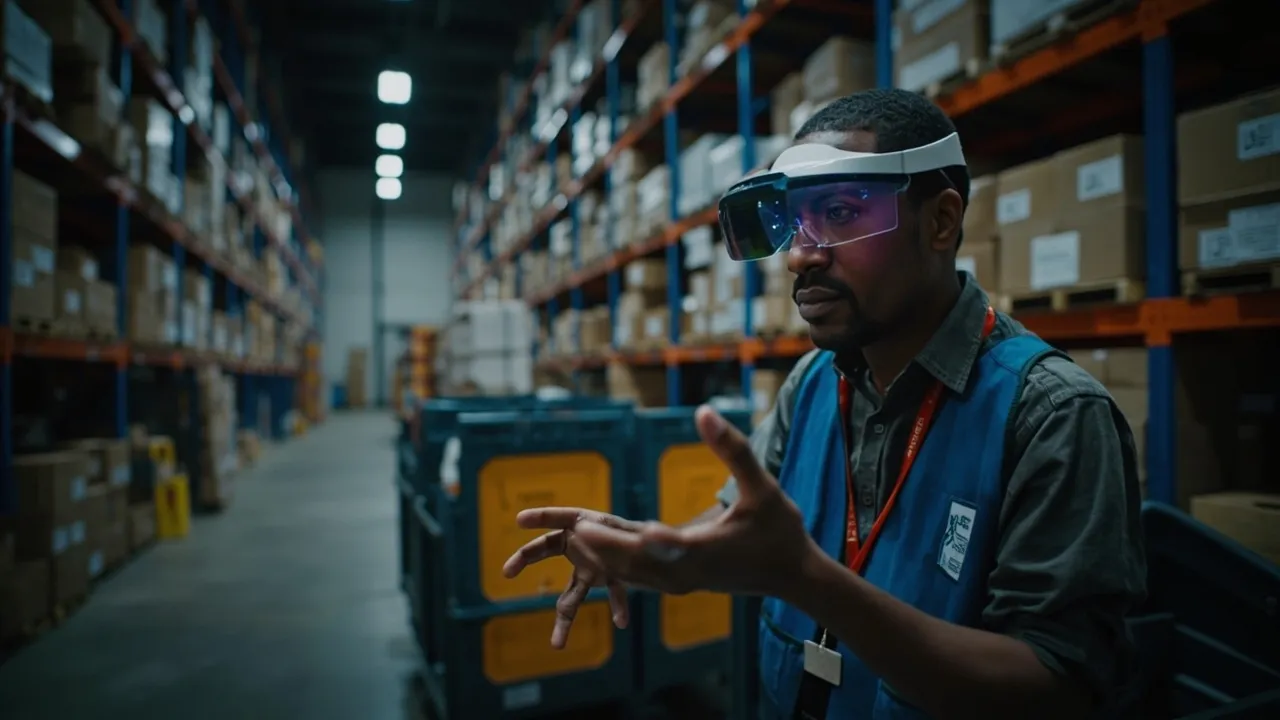
Smart Glasses Are Finally Useful in Warehouses: Why Wearable Picking Tech Is Back
Warehouse smart glasses are moving from novelty to practical tool as operators look for hands-free picking, faster training, and better exception handling in complex fulfillment environments.
CXTMS InsightsApril 27, 2026 · 5 min read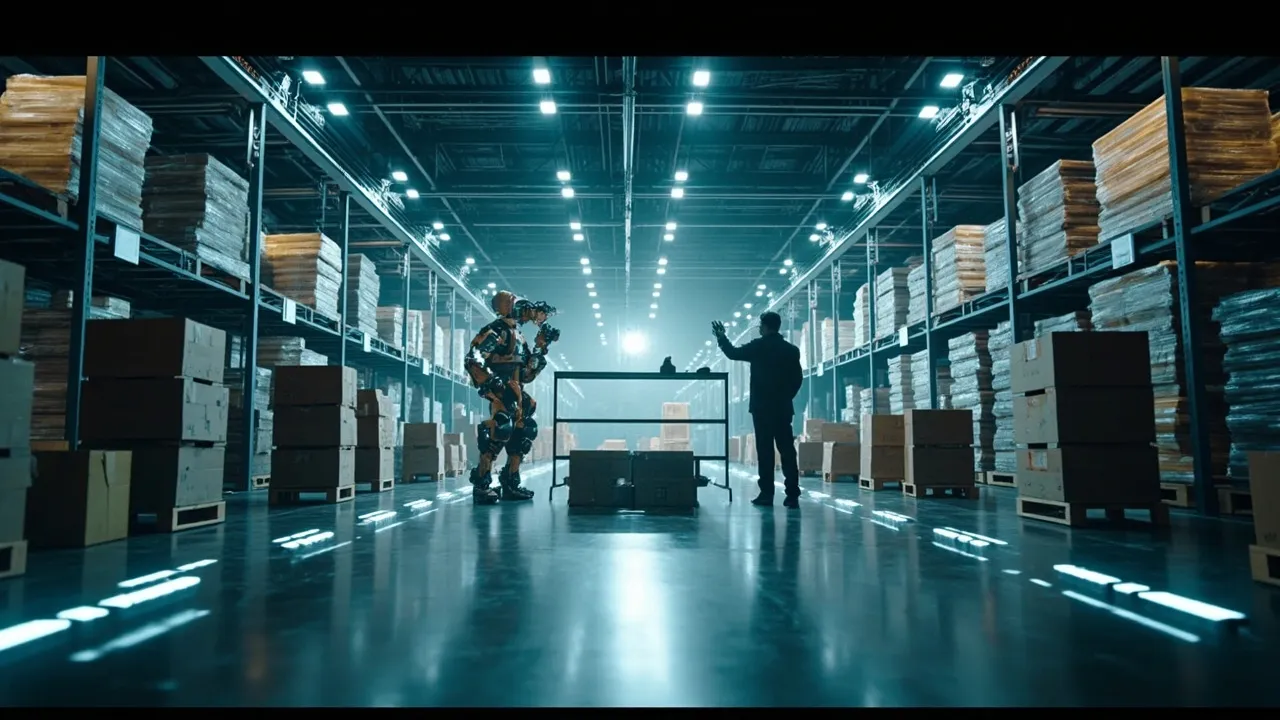
AI4WMS and the End of Rip-and-Replace: Why Warehouse Automation Integration Is Finally Getting Practical
Roboteon’s AI4WMS points to a more practical automation era, where warehouses layer robotics onto existing WMS stacks instead of blowing up core systems to modernize.
CXTMS InsightsApril 25, 2026 · 5 min read
Apple’s Supplier Emissions Plateau: Why Renewable Energy Alone Won’t Decarbonize Global Supply Chains
Apple’s latest supplier data shows a hard truth for global logistics teams: adding renewable electricity is necessary, but it does not solve transport, materials, packaging, and manufacturing-process emissions on its own. The next phase of decarbonization will be operational, not symbolic.
CXTMS InsightsApril 25, 2026 · 6 min read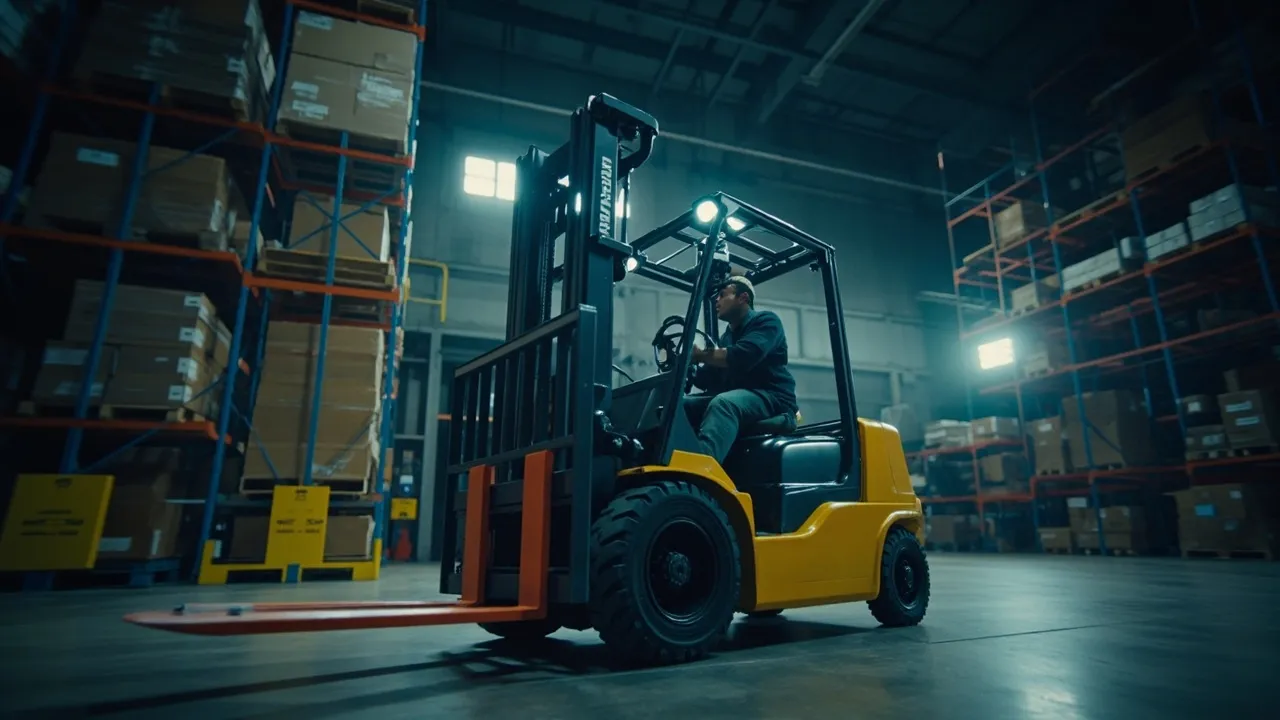
Lithium-Ion Forklift Batteries Are Becoming a Fleet Strategy, Not Just an Equipment Upgrade
Bobcat’s new Class 1 forklift battery lineup shows why lithium-ion power is now a warehouse fleet decision tied to uptime, charging strategy, safety, and total operating cost.
CXTMS InsightsApril 25, 2026 · 6 min read