Insights
Industry insights, integration guides, and product updates from the CXTMS team.

Dock and Yard Management Is Still Too Manual. That Is Now a Transportation Risk.
Manual dock and yard workflows are no longer just warehouse headaches. They create detention, missed appointments, unreliable carrier data, and transportation risk.
 CXTMS InsightsMay 12, 20266 min read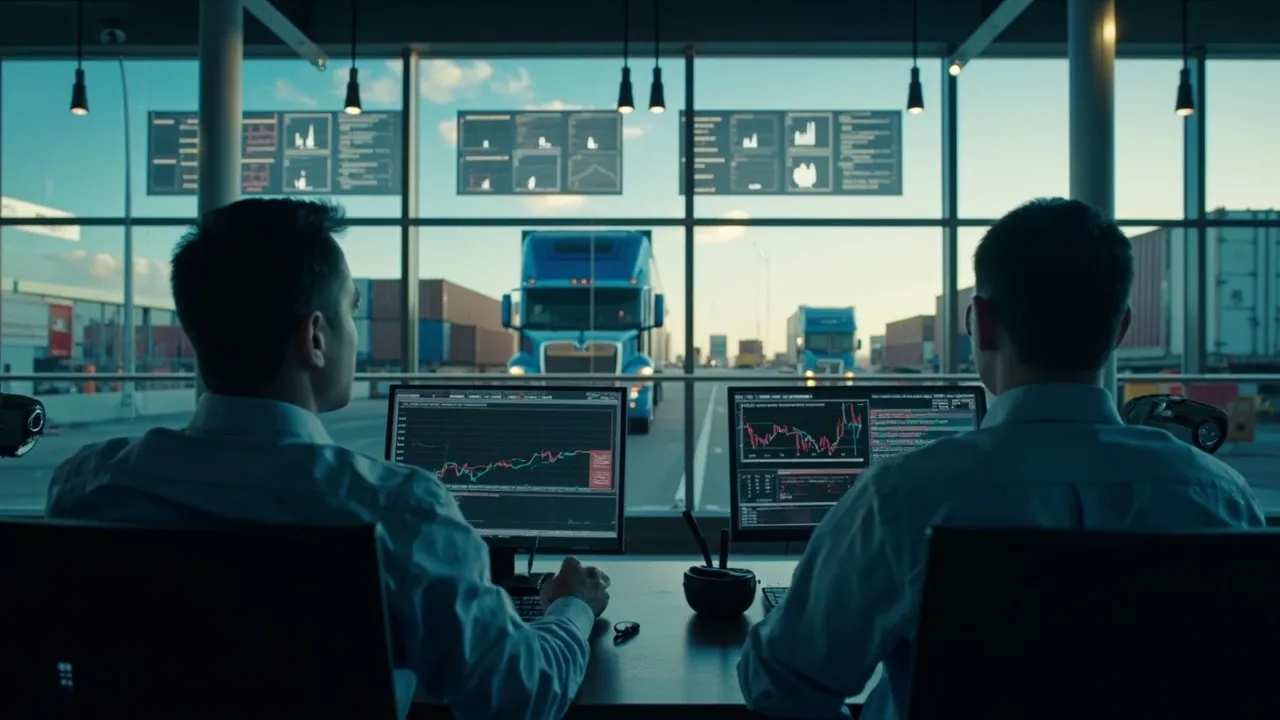
Freight Cost Inflation Is Back in the Budget Room: How to Reforecast Transportation Spend Mid-Year
Freight rates, fuel volatility, and spot exposure are forcing shippers to refresh transportation budgets mid-year. Here is a practical reforecasting model.
CXTMS InsightsMay 12, 2026 · 6 min read
P&G’s Supply Chain 3.0 Rollout Shows Why Integration Beats Automation Theater
P&G’s Supply Chain 3.0 rollout shows why logistics teams should prioritize integrated planning, procurement, inventory, and transportation workflows before adding more automation.
CXTMS InsightsMay 12, 2026 · 6 min read
Section 232 Derivative Tariffs Are Turning Product Classification Into a Freight Cost Control Function
Section 232 derivative tariffs are pushing HS classification, supplier declarations, and landed-cost modeling into the center of freight cost control.
CXTMS InsightsMay 12, 2026 · 7 min read
Supply Chain Management Software Reaches $36.39B: What Buyers Should Demand Beyond Feature Lists
The SCM software market is growing fast, but freight forwarders should evaluate integration depth, workflow ownership, and exception handling before buying.
CXTMS InsightsMay 12, 2026 · 6 min read
Supply Chain Technology’s Next Phase Is Orchestration, Not More Point Automation
Supply chain technology is moving past disconnected automation pilots toward orchestration systems that turn events, rules, and exceptions into coordinated execution.
CXTMS InsightsMay 12, 2026 · 6 min read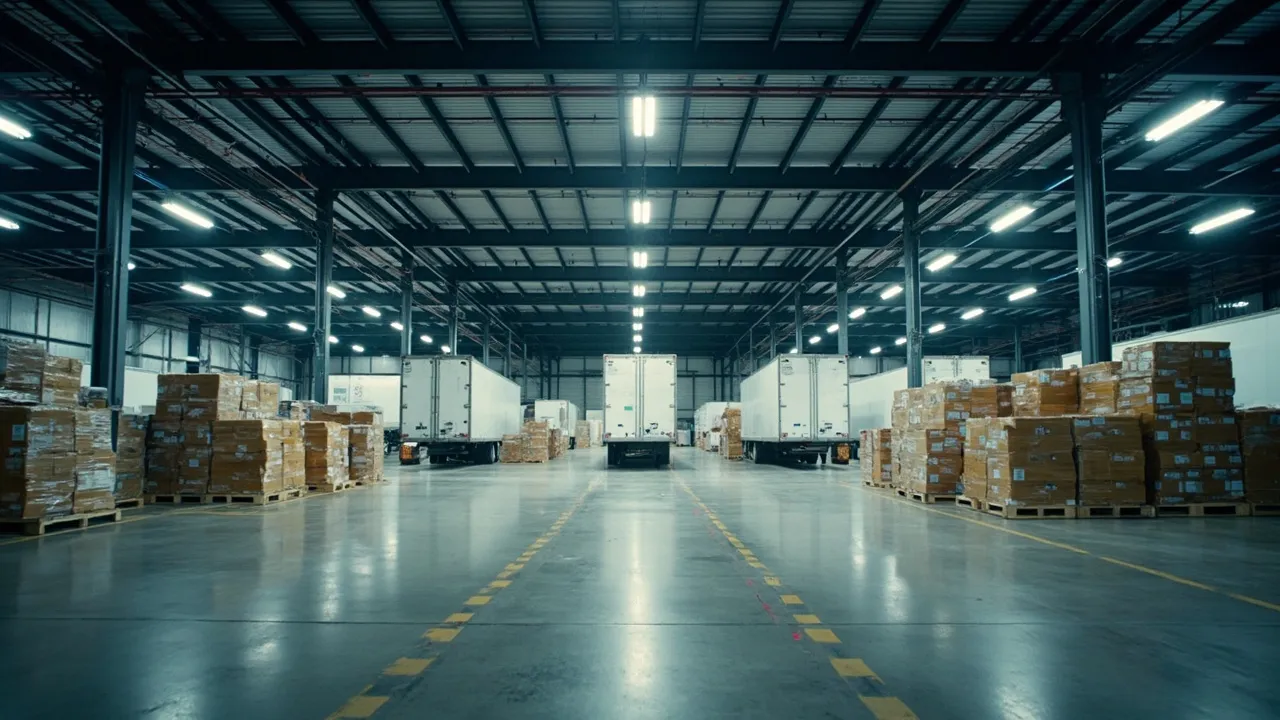
Target’s Receive Center Model: Why Inventory Buffers Are Moving Upstream in Retail Logistics
Target’s Houston Receive Center shows why retailers are shifting safety stock upstream, using regional inventory buffers to improve flexibility, replenishment timing, and freight control.
CXTMS InsightsMay 12, 2026 · 6 min read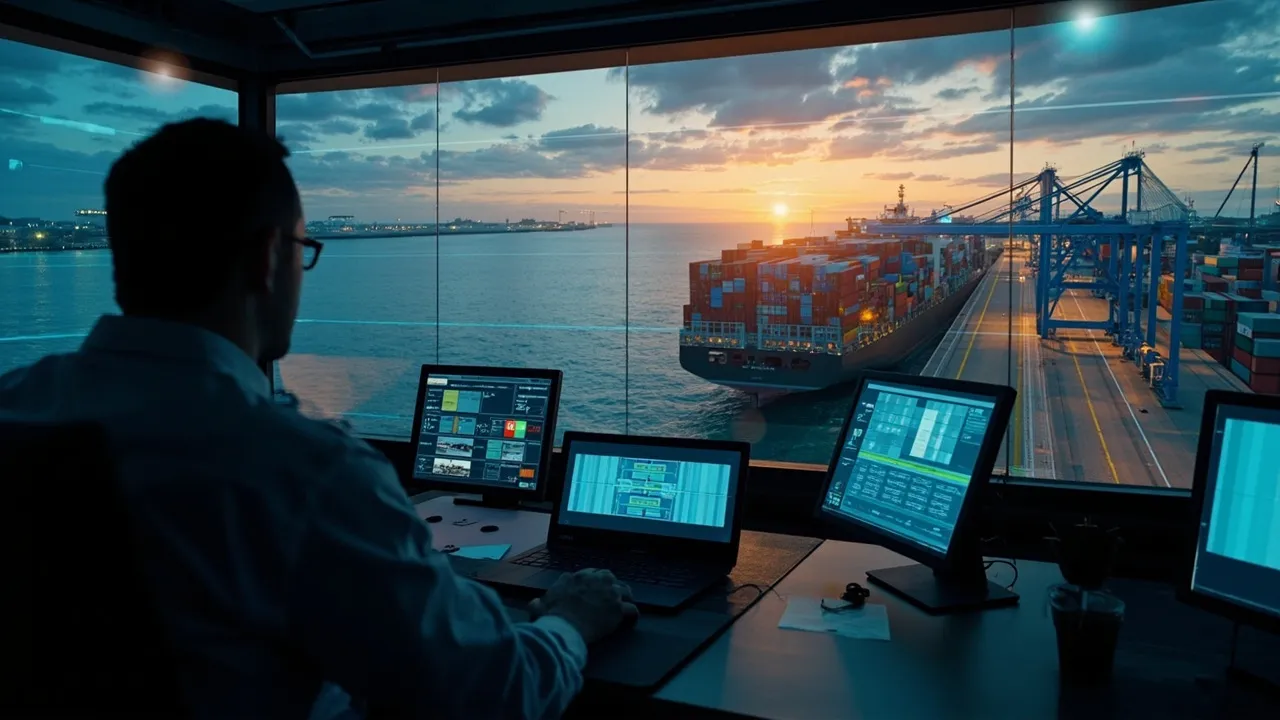
Trans-Pacific Rates Are Rising Despite Soft Demand. Blank Sailings Are the Real Signal.
Trans-Pacific container rates are rising in a soft-demand market. The real signal for shippers is capacity management through blank sailings, not booking volume alone.
CXTMS InsightsMay 12, 2026 · 7 min read
Gartner Says AI Hiring Freezes Could Backfire by 2030. Logistics Teams Should Not Ignore the Talent Math.
AI may change logistics work, but blanket entry-level hiring freezes can create costly talent gaps in planning, carrier management, warehousing, and exception control.
CXTMS InsightsMay 11, 2026 · 7 min read
AI Is Not Transforming Supply Chain Operating Models Yet. Gartner’s Survey Explains Why.
Gartner’s 2026 survey shows most supply chain AI programs are still incremental. Logistics teams need governance, clean data, and bounded workflows before orchestration can scale.
CXTMS InsightsMay 11, 2026 · 7 min read