Insights
Industry insights, integration guides, and product updates from the CXTMS team.
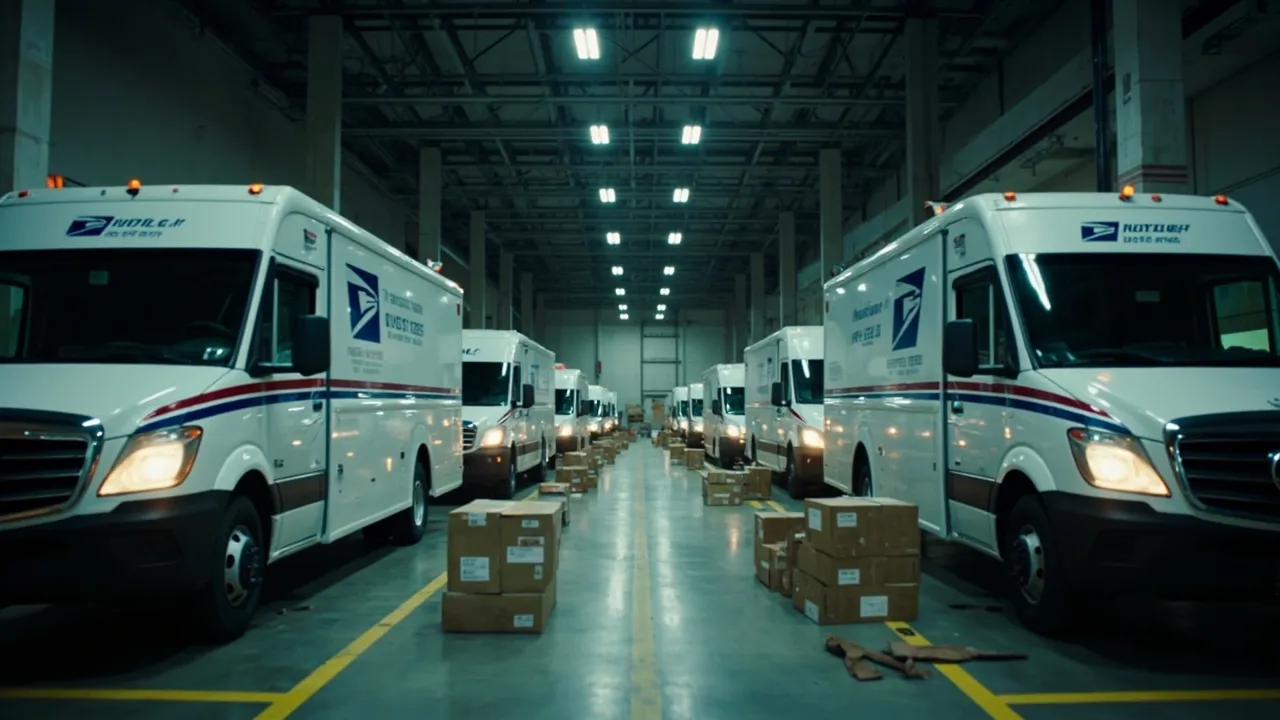
USPS’ $2B Quarterly Loss Puts Parcel Contingency Planning Back on the Table
USPS financial pressure, parcel surcharges, and dimensional-reporting changes are turning postal dependency into a carrier contingency planning issue.
 CXTMS InsightsMay 15, 20266 min read
Agentic Supply Chains Need Customs Discipline Before Autonomy: Deloitte's Warning for Global Shippers
Agentic AI can rebook freight and automate customs filings, but only if shippers fix classification governance, broker handoffs, and audit trails first.
CXTMS InsightsMay 13, 2026 · 6 min read
Air Cargo Demand Fell 4.8% in March. The Real Problem Is Fuel, Hub Risk, and Capacity Trust.
March air cargo demand fell 4.8%, but shippers should focus on fuel volatility, Gulf hub disruption, and whether premium capacity can be trusted.
CXTMS InsightsMay 13, 2026 · 6 min read
Warehouse Capacity Contracted in April While Prices Jumped. The LMI Is Flashing a Storage Warning.
April’s LMI showed warehouse capacity contracting at 45.5 while utilization and prices climbed, giving shippers an early warning on storage risk.
CXTMS InsightsMay 13, 2026 · 6 min read
Robot Orders Are Flat, but Cobots Are Surging: What Q1 2026 Says About Practical Automation
North American robot orders were nearly flat in Q1 2026, but collaborative robots surged. Here is what logistics teams should take from the shift toward practical automation.
CXTMS InsightsMay 13, 2026 · 6 min read
Cold Chain Capacity Is Rising Again: Why 7.76 Billion Cubic Feet Still May Not Be Enough
The top 25 cold chain operators now run 7.76 billion cubic feet of temperature-controlled space, but shippers still need a tighter planning playbook.
CXTMS InsightsMay 13, 2026 · 7 min read
Ecommerce Warehouse Tech Is Getting More Modular: Why FlexBins, Pallet Shuttles, and Inventory Drones Matter
New ecommerce warehouse tools show a practical shift toward modular fulfillment capacity that can adapt to SKU variety, labor pressure, and inventory accuracy demands.
CXTMS InsightsMay 13, 2026 · 7 min read
Sustainable Fleets Are Diversifying, Not Converging: The 2026 Alternative-Fuel Lesson for Freight
The 2026 sustainable fleets signal is clear: freight operators are spreading risk across BEVs, natural gas, renewable diesel, propane, and hydrogen instead of waiting for one perfect fuel.
CXTMS InsightsMay 13, 2026 · 7 min read
Carrier Safety Data Is Becoming a Routing Guide Input, Not Just a Compliance Check
Carrier safety data is moving into routing guide decisions as Roadcheck, CSA scores, OOS rates, and maintenance risk reshape capacity reliability.
CXTMS InsightsMay 12, 2026 · 7 min read
Digital Logistics Hits $55.57B: Why the Winning Platforms Will Be Execution Systems, Not Dashboards
The digital logistics market is expanding fast, but buyers need execution systems that automate workflow, exceptions, and freight decisions—not more dashboards.
CXTMS InsightsMay 12, 2026 · 6 min read