Insights
Industry insights, integration guides, and product updates from the CXTMS team.
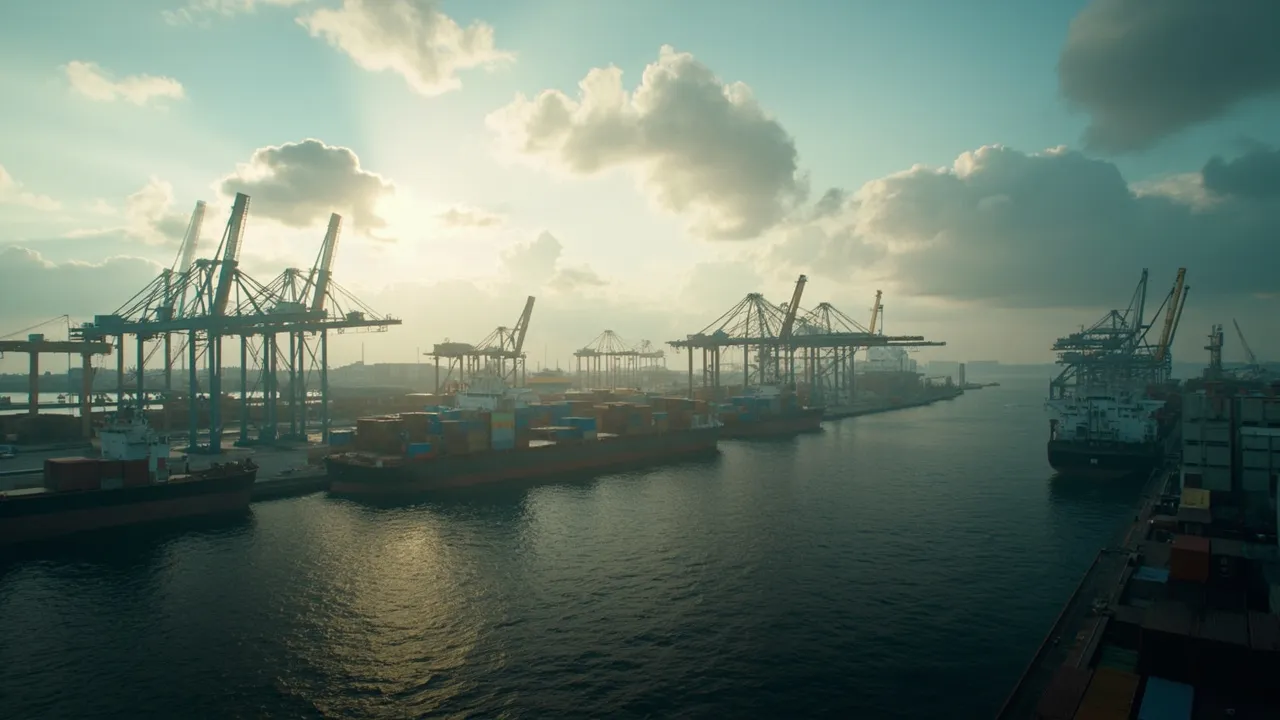
A $200M Supply Chain Efficiency Fund Shows Maritime Modernization Is Becoming Investable Again
A new $200 million supply chain efficiency fund signals renewed investor interest in maritime modernization, port productivity, and shipbuilding resilience.
 CXTMS InsightsMay 28, 20267 min read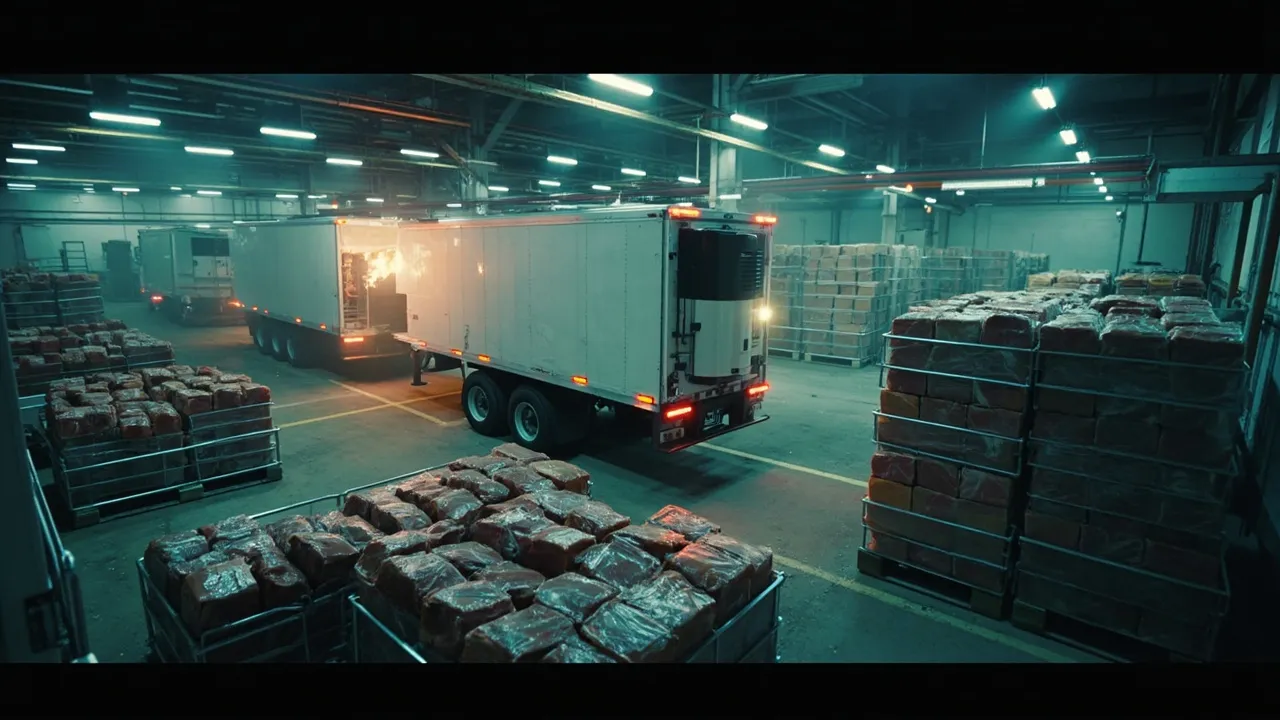
Cargill’s Beef Labor Standoff Is a Cold-Chain Planning Warning, Not Just a Food Industry Story
Cargill’s Fort Morgan beef labor standoff shows why food shippers need trigger-based cold-chain contingency plans before plant-level disruptions hit reefer capacity.
CXTMS InsightsMay 28, 2026 · 7 min read
Carrier Rate Optimization for E-Commerce Logistics Starts With Better Cost Signals
Carrier rate optimization for e-commerce logistics works only when shippers feed the decision engine clean cost signals from dimensions, delivery promises, zones, returns, and service constraints.
CXTMS InsightsMay 28, 2026 · 7 min read
Consumer Products Logistics in 2026: Tariffs, AI Infrastructure, and Split Demand Are Rewriting the Plan
Deloitte’s 2026 consumer products outlook points to a logistics planning reset as tariffs, AI investment, uneven demand, and China shifts reshape inventory and transportation decisions.
CXTMS InsightsMay 28, 2026 · 7 min read
De Minimis Refund Limits Put Cross-Border Parcel Finance Under the Microscope
The U.S. position on de minimis tariff refunds shows why cross-border parcel importers need cleaner entry data, refund logic, and landed-cost reconciliation.
CXTMS InsightsMay 28, 2026 · 7 min read
Germany and Canada’s LNG Deal Makes Energy Security a Freight Network Design Issue
Germany’s planned Canadian LNG supply deal shows why energy security now depends on freight network design, port capacity, project cargo planning, and scenario-based logistics execution.
CXTMS InsightsMay 28, 2026 · 7 min read
International Freight Consolidators in 2026: Why Control Is Beating the Lowest Quote
International freight consolidators are being judged less by the cheapest quote and more by visibility, documents, exception control, and mode-switch readiness.
CXTMS InsightsMay 28, 2026 · 6 min read
Maersk’s Container Charge Settlement Turns Detention and Demurrage Into a Documentation Problem
Maersk’s FMC settlement shows why detention and demurrage governance now depends on milestone evidence, billing controls, and refund-ready ocean freight workflows.
CXTMS InsightsMay 28, 2026 · 6 min read
Novelis’ Aluminum Plant Restart Shows Why Industrial Shippers Need Fire-Damage Contingency Playbooks
Novelis’ Oswego restart is a practical reminder that aluminum supply chains need fire-damage contingency playbooks before disruption hits.
CXTMS InsightsMay 28, 2026 · 7 min read
Supply Chain Resilience Is No Longer a Just-in-Case Slogan. It Needs Operating Rules.
Supply chain resilience now needs executable operating rules for buffers, dual sourcing, mode switching, and transportation margin decisions.
CXTMS InsightsMay 28, 2026 · 6 min read