A Northern Canada Port Alliance Needs an Arctic Cargo Readiness Ledger


The proposed alliance between DP World, Arctic Gateway Group, and CentrePort Canada could give the Port of Churchill a much larger role in Canadian trade. But a memorandum of understanding is not cargo capacity. The practical question is whether a shipper can book a defined commodity, on a defined date, with a reliable route to the berth and a safe route onward.
That distinction matters in the Arctic, where navigation, rail access, storage, labor, emergency response, and weather are tightly coupled. Churchill therefore needs more than a master plan. It needs a shared cargo readiness ledger: a governed record of every constraint, owner, dependency, test, and commercial release condition.
Treat the alliance as a gateway-development program
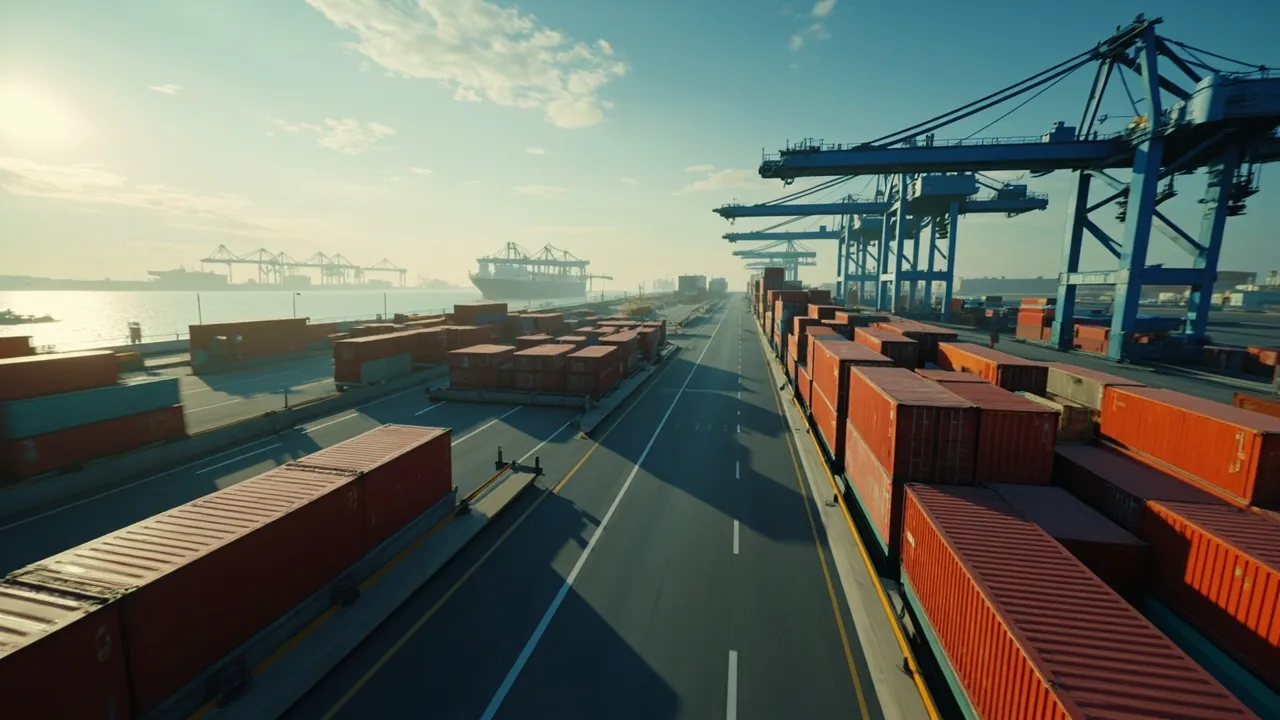
SupplyChainBrain reports that the proposed agreement covers port operations and a transportation corridor connecting Churchill with DP World's network and CentrePort's inland facilities. The opportunity includes grain, potash, critical minerals, liquefied natural gas, project cargo, and potentially containers.
The scale also exposes the execution gap. The article cites a Canadian government prospectus that priced a major Churchill expansion and supporting infrastructure at C$57 billion, including preliminary investment requests of C$3.9 billion. The vision includes port modernization, rail upgrades, an LNG export corridor, and all-weather road access. Those are separate programs with different approvals and lead times—not one capacity announcement.
A readiness ledger makes that complexity visible. Each entry should identify the asset or operating capability, its current condition, required standard, evidence source, accountable owner, funding status, dependencies, test date, and pass-or-fail result. Executives then see what is truly available rather than a blended percentage-complete figure.
Inventory the entire operating chain
Berth depth and crane capacity are only the beginning. For each planned service, the ledger should cover:
- seasonal navigation windows, ice forecasts, icebreaker availability, ice-class requirements, pilotage, tugs, and berth limits;
- railway condition, axle loads, siding length, locomotive and crew availability, recovery plans, and alternate access;
- covered and open storage, reefer plugs, fuel, power resilience, lighting, scales, inspection space, and cargo security;
- stevedoring skills, shift coverage, accommodation, training, and critical spare parts;
- customs, dangerous-goods, environmental, sanitary, and Indigenous consultation requirements;
- firefighting, spill response, medical evacuation, communications, and severe-weather shelter.
Seasonality cannot be represented by a single annual capacity number. The Hudson Bay remains frozen for much of the year, although icebreakers may extend the shipping season. Elsewhere in northern Canada, the fragility is already measurable. Reuters reported that the remote Arctic is home to roughly 86,000 people and that shortened use of a critical ice road disrupted mine resupply. Another Reuters analysis describes Nunavut's 2.1 million square kilometers and population of about 40,000—an illustration of the vast distances and limited local resource base northern logistics must overcome.
The ledger should consequently publish capacity by month or voyage window, along with a confidence band and the assumptions behind it. A nominal berth slot has no commercial value if railcars, pilots, labor, or emergency coverage are unavailable on the same day.
Qualify cargo one commodity at a time
Different cargoes impose different proof requirements. A generic declaration that Churchill is “open for business” would blur risks that shippers need to price.
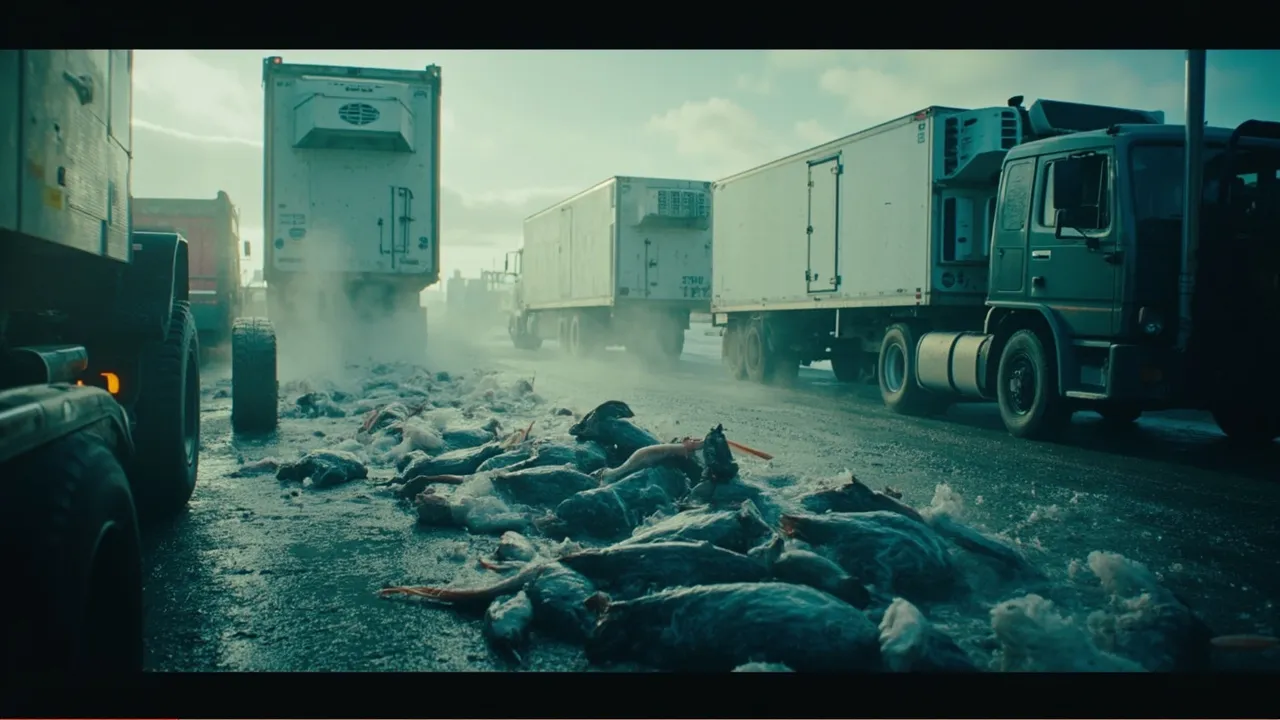
For mineral concentrates, qualification should include covered storage, moisture management, sampling, dust control, contamination prevention, and tested rail-to-vessel transfer rates. Oversized project cargo needs route surveys, bridge and axle-load validation, lift engineering, laydown space, and heavy-haul availability. Containers require dependable train schedules, chassis and handling equipment, seals and customs processes, and a plan for empty repositioning. Community resupply needs priority rules, weather-protected storage, cold-chain controls, and contingency inventory when a sailing slips.
Each commodity profile should define a minimum viable shipment: volume, equipment, origin-to-port path, receiving window, documentation, handling sequence, and recovery plan. Trial cargo should resemble the intended commercial operation closely enough to reveal bottlenecks. Moving one demonstration load under exceptional staffing does not validate a weekly service.
Use four gates before promising reliable service
The alliance can prevent political ambition from outrunning operational evidence by using four explicit gates.
Gate 1: political agreement. Parties align on the corridor's purpose, governance, consultation, and target commodities. This authorizes study—not customer commitments.
Gate 2: investable design. Engineering, environmental work, demand forecasts, cost ranges, funding responsibilities, and permit paths are sufficiently mature for an investment decision. Interfaces between port, rail, road, and inland terminals have named owners.
Gate 3: operational trial. A representative cargo moves through the complete chain. The team records dwell time, transfer rate, damage, safety events, documentation errors, and exceptions. Failed controls return to the ledger with owners and deadlines.
Gate 4: reliable commercial service. Multiple repeat movements meet published thresholds across realistic conditions. Capacity, cutoffs, seasonal restrictions, escalation paths, and service recovery terms can then be offered to customers without heroic workarounds.
No gate should close on narrative updates alone. Evidence might include completed inspections, signed permits, load tests, verified timetable performance, emergency drills, or consecutive voyages within tolerance. That evidence creates an auditable basis for decisions by investors, regulators, carriers, communities, and cargo owners.
Turn infrastructure into a bookable promise
Churchill's geography may offer Canada a valuable northern trade option, but geography is not a service level. The strongest alliance outcome would be a transparent operating system that shows exactly which cargo is qualified, for which window, under which constraints, and with what fallback.
CXTMS can connect bookings, milestones, documents, equipment, and exceptions across complex multimodal corridors. Request a CXTMS demo to see how a shared control layer can turn infrastructure readiness into reliable cargo execution.