Food Recall Scope Is a Logistics Data Problem: Prove Every Product Movement

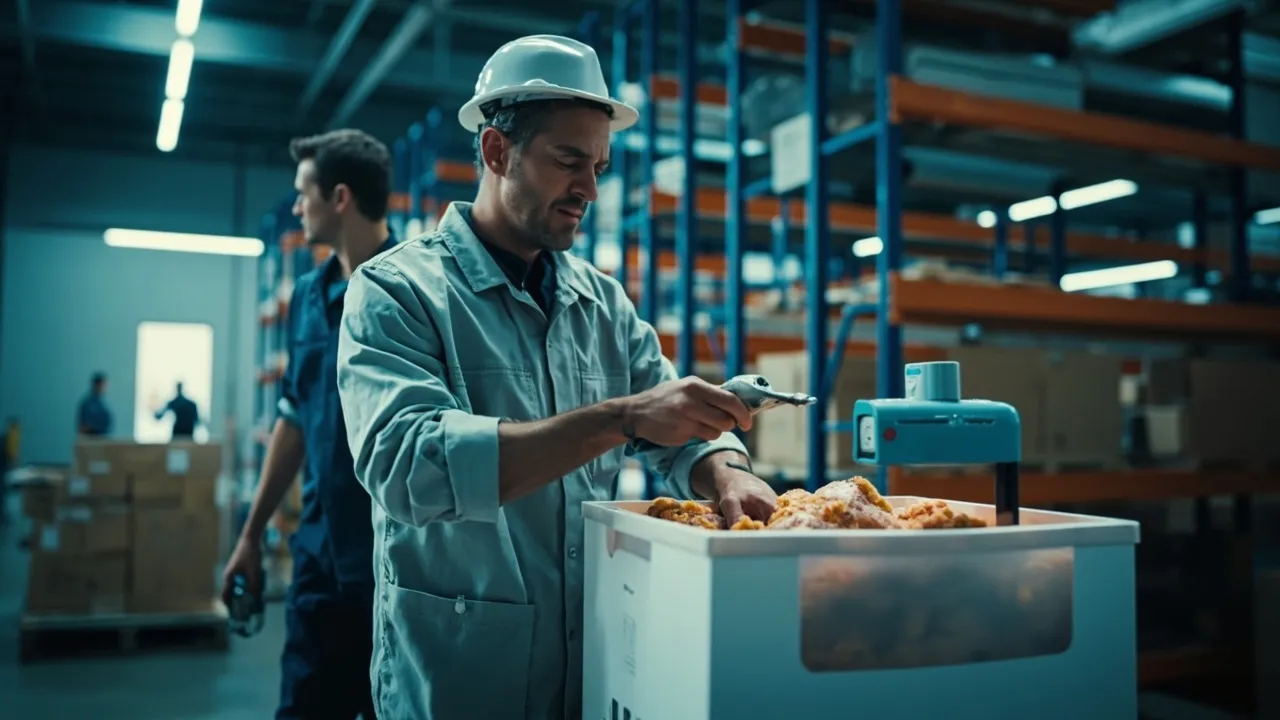
A food recall expands when the company cannot prove where the affected product went. The safety incident may begin with one ingredient lot, production window, or temperature excursion. But if records cannot distinguish exposed inventory from unaffected inventory, the defensible response is to withdraw a much larger population.
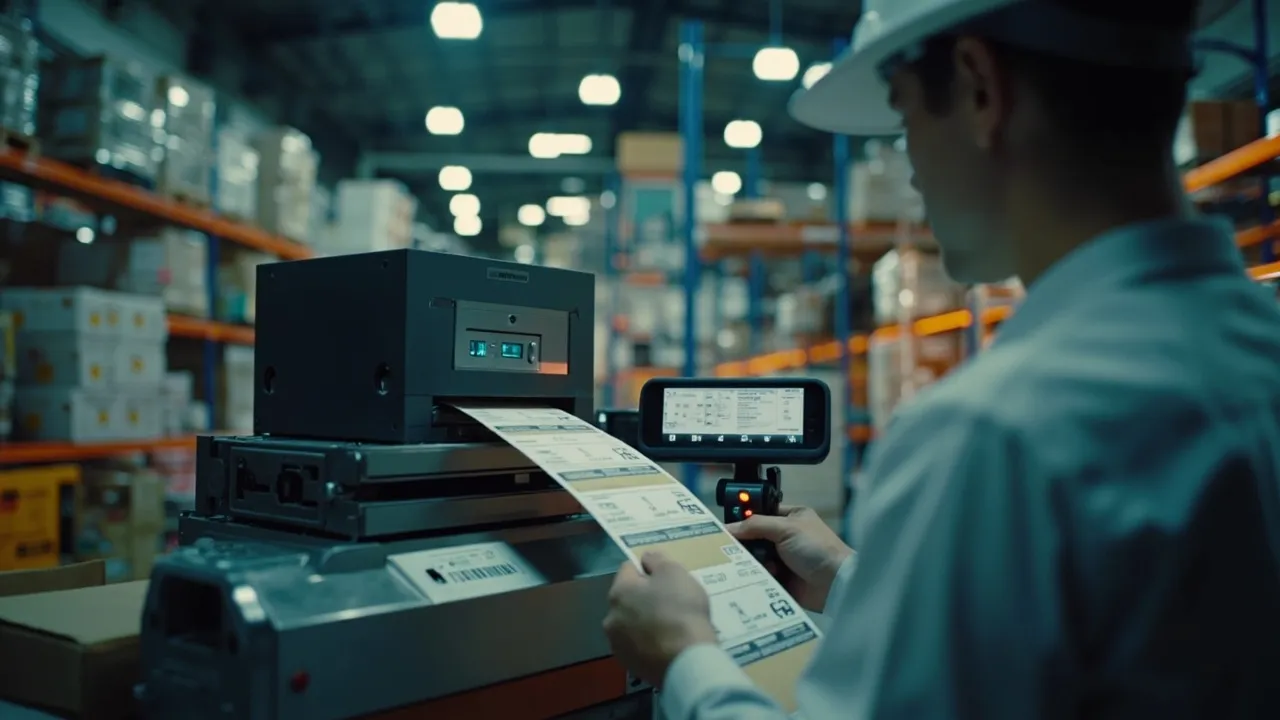
That makes recall scope a logistics data problem as much as a food-safety problem. Every receiving event, transformation, pallet build, warehouse move, shipment, and delivery either strengthens the evidence chain or creates uncertainty. The goal is not merely to know that product moved. It is to reconstruct which lot moved, in what quantity, through which location, under whose custody, and under what conditions.
The financial stakes justify that discipline. Food Logistics reports that a food recall costs a company an average of $10 million in direct costs, before brand damage and lost sales. Better evidence cannot eliminate every recall, but it can prevent uncertainty from multiplying the inventory, customers, and freight involved.
Missing Records Create a Larger Recall Radius
Imagine that a processor identifies a suspect ingredient lot used during one shift. Production records show the finished SKUs, but the logistics trail breaks after finished goods leave the line. Some cases were repacked onto mixed pallets. One pallet was split across two outbound orders. A third-party warehouse changed license-plate identifiers, and a carrier temperature record is stored in a separate portal.
The company may know the theoretical affected quantity yet still be unable to locate it precisely. It must then add a safety margin: adjacent production, every mixed pallet, all inventory at an uncertain location, or every customer served during a broad date range.
Food Logistics notes that missing or inconsistent movement records can force companies to expand recalls beyond affected inventory because they cannot definitively identify impacted products. The operational lesson is blunt: an undocumented handoff becomes recall scope.
Build One Movement History From Six Event Types
Recall-ready traceability requires a connected event history, not a folder containing unrelated spreadsheets and sensor reports. Each physical event should preserve six essential dimensions:
- Lot: the traceability lot code, supplier lot, production batch, and relevant date or time window
- Handling unit: case, tote, pallet, trailer, or other serialized logistics identifier
- Location: the facility, zone, dock, storage position, vehicle, and customer destination
- Quantity and transformation: what was received, consumed, produced, split, combined, repacked, shipped, or destroyed
- Condition: temperature readings, excursion alerts, seal status, inspection results, and corrective actions
- Custody: the organization and person or system responsible at each handoff, with timestamps and supporting documents
These records must retain relationships. A pallet ID is useful only if the system knows which lots and quantities were placed on it. A shipment ID is useful only if it connects the pallet to the trailer, carrier, origin, destination, and delivery confirmation. When product is split or transformed, the original identity must remain linked to every descendant unit.
That lineage should cross company boundaries. External warehouses, carriers, co-packers, and distributors are part of the evidence chain even when they use different systems. Define required identifiers, event fields, timestamps, and exception procedures in operating agreements before an incident occurs.
Design for the 24-Hour Records Clock
The FDA's Food Traceability Final Rule raises the standard for retrieval. Food Logistics explains that an FDA records request for a Food Traceability List item starts a 24-hour clock for producing a complete, sortable electronic record tied to the traceability lot code.
The compliance date has shifted, but the operational requirement has not disappeared. Food Logistics reports that FSMA 204 compliance was postponed by 30 months, from January 2026 to July 20, 2028. Companies should use that time to fix data capture and partner connectivity—not postpone testing until 2028.
A useful retrieval workflow begins with a suspect lot and returns its full forward path: remaining stock, transformed products, handling units, facilities, shipments, customers, delivery status, and unresolved quantities. It should also trace backward to suppliers and inputs. Users need filters for event time, location, customer, shipment, and disposition, plus exports that preserve clear field definitions.
Run Mock Recalls as Timed Logistics Drills
A mock recall should test the whole network, not only the quality team's database. Select a real lot without warning the operating teams, start a clock, and require internal facilities, carriers, and outside warehouses to return evidence through the normal process.
Test difficult scenarios: a split pallet, a mixed load, product repacked under a new identifier, inventory transferred between warehouses, and a cold-chain exception held for inspection. Reconcile starting quantity against inventory on hand, shipped quantity, delivered quantity, transformed quantity, waste, and samples. The total should balance.
Do not accept “located” without evidence. Require the transaction, timestamp, handler, source system, and supporting document or sensor record. If staff must call several people, manually merge files, or rely on someone who remembers what happened, record that as a control failure even if the exercise eventually finds the product.
Measure Recall Precision, Not Just Completion
Completion alone can hide a poor result. A company that identifies every affected case by recalling ten times too much inventory has completed the task but failed at precision.
Track four core measures:
- Response time: minutes to identify the first affected locations and hours to produce the complete trace
- Recall precision: confirmed affected quantity divided by total quantity withdrawn or held
- Unresolved inventory: units whose current location, custody, or disposition cannot be proven
- Evidence completeness: required movement and condition events supported by valid records
Also monitor partner response time, quantity reconciliation variance, manual touches, identifier breaks, and recurring exception types. Assign each failure an owner and due date, then repeat the scenario to prove the correction works.
Turn Traceability Into an Operational Control
Recall readiness is built during ordinary receiving, storage, transportation, and delivery—not during the crisis call. Structured identifiers, scanned handoffs, connected temperature data, and exception workflows create a movement history that can withstand scrutiny. They also improve inventory accuracy, claims handling, customer service, and cold-chain accountability every day.
CXTMS helps logistics teams connect shipments, handling events, documents, partners, and exceptions into a retrievable operational record. Request a CXTMS demo to see how better transportation evidence can support faster, more precise recall response.