El Niño’s 34% Rainfall Deficit Turns Canal Slots Into a Shipment-Level Allocation Problem

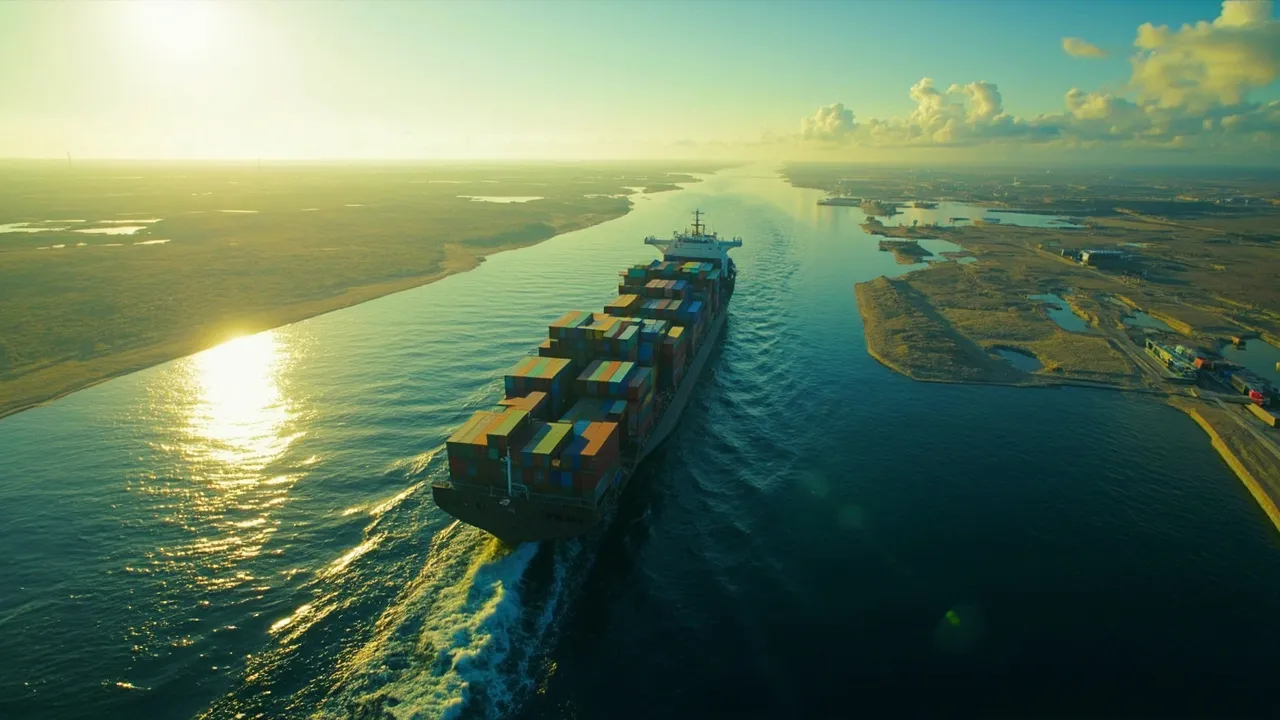
The Panama Canal’s latest drought response is more than a vessel scheduling issue. It is a shipment allocation problem that reaches purchase orders, customer commitments, inventory positions, and transportation budgets.
Rainfall across the canal watershed was 34% below the historical average from May through August, according to Supply Chain Dive. The canal will reduce Neopanamax booking slots from the usual 10 per day to nine on September 3. Panamax availability will move from the usual 26 slots to 25 on September 3 and then to 23 on September 15.
That final Panamax reduction is nearly 12% from the usual allocation. It does not mean every container will be delayed, but it does mean that capacity through a critical trade artery will become less forgiving. Shippers that treat every load as equally urgent will either overpay to protect low-priority cargo or discover too late that essential inventory was attached to a booking that slipped.
Allocate the slot to the business outcome
The first response should be a ranked shipment queue, not a blanket instruction to book earlier. Each affected shipment needs a priority score based on five factors:
- Contribution margin: How much value does an on-time shipment protect?
- Inventory cover: How many days of usable stock remain at destination?
- Customer promise: Is the cargo tied to a contractual delivery date, promotion, project, or production sequence?
- Vessel constraints: Can the load move on another sailing, service, or equipment type without creating a new bottleneck?
- Avoidance cost: What would rerouting, expediting, lost sales, downtime, or a service penalty actually cost?
Consider two containers with the same transit date. One carries replenishment for an item with 40 days of cover; the other carries a component that could stop a production line in six days. Protecting them equally is irrational. The production component should receive the scarcer booking even if its freight cost per unit is higher.
The score should be refreshed as inventory is consumed and sailing information changes. A load that appears safe today can become critical after a demand spike, supplier miss, or rolled connection. Allocation therefore belongs at the shipment level, connected to current inventory and order data.
Track five variables on every affected movement
Canal restrictions ripple through schedules in different ways. A daily network report should capture five fields for each exposed booking: permitted draft, confirmed slot, canal or carrier surcharge, origin cutoff, and transshipment plan.
Draft matters because lower water levels can reduce how much cargo a vessel carries even when it retains a slot. A booking confirmation matters because a planned sailing is not the same as protected passage. Surcharges change the landed-cost comparison. Revised cutoffs can create origin failures before the vessel reaches Panama. Transshipment changes introduce extra dwell time, handling risk, and missed-connection exposure.
This event follows an earlier warning. Supply Chain Dive reported in July that the probability of a severe El Niño had risen from 25% in April to 81% in July, while carriers introduced new canal-related fees. The progression from forecast risk to surcharges and now fewer slots is a useful lesson: alerts should trigger scenario preparation before capacity is formally withdrawn.
Put a dollar threshold on rerouting
Not every load belongs on the canal. The right alternative depends on origin, destination, cargo economics, and the duration of the constraint.
For Asia-to-U.S. cargo, a West Coast discharge with rail or truck inland may become preferable when the expected cost of canal delay exceeds the extra landbridge expense. That calculation should include detention, demurrage, inventory carrying cost, potential lost sales, and the probability-weighted impact of a missed customer date—not just the ocean rate difference.
East Coast or Gulf services may remain the best answer for stable, lower-margin replenishment with sufficient inventory cover. West Coast routing becomes more attractive for time-sensitive cargo headed to inland markets when rail capacity and terminal conditions are dependable. Air freight may make sense only for a small, high-value subset such as line-down components. Some shipments should not be expedited at all; inventory already in the network may cover demand until the next viable sailing.
A practical decision rule is:
Reroute when the added transport cost is lower than the expected cost of delay plus the value of protected service.
The comparison should use a range rather than one assumed delay. Model an on-time case, a moderate rollover, and a severe disruption. Then assign the scarce canal booking to the shipment with the highest economic penalty if it does not move.
Build an exception workflow, not another spreadsheet
The operational challenge is that the inputs live in different places: carrier notices, vessel schedules, purchase orders, inventory systems, customer orders, and freight invoices. A transportation management system should join those signals into one exception workflow.
Start by flagging shipments whose planned routes use the Panama Canal during the restriction window. Enrich each record with inventory cover, order priority, margin class, booking status, cutoff changes, and alternate-route cost. Create alerts when a confirmed slot is lost, draft changes threaten the load plan, a surcharge changes landed cost, or destination inventory falls below its threshold.
The resulting control process should answer three questions every morning:
- Which shipments face a changed canal, vessel, or connection condition?
- Which of those changes threaten production or a customer promise?
- Which booking or rerouting decision produces the best economic outcome today?
The canal’s 34% rainfall deficit is a physical constraint, but the commercial damage is not predetermined. Companies with shipment-level prioritization can reserve scarce capacity for the loads that matter, let lower-risk cargo wait, and change gateways only when the economics support it.
Ready to turn ocean disruptions into ranked, actionable shipment decisions? Request a CXTMS demo to see how CXTMS connects bookings, costs, milestones, and exceptions in one transportation workflow.