DHL Centralizes Health-System Logistics: Build One Control Record for Drugs, Supplies, and Equipment

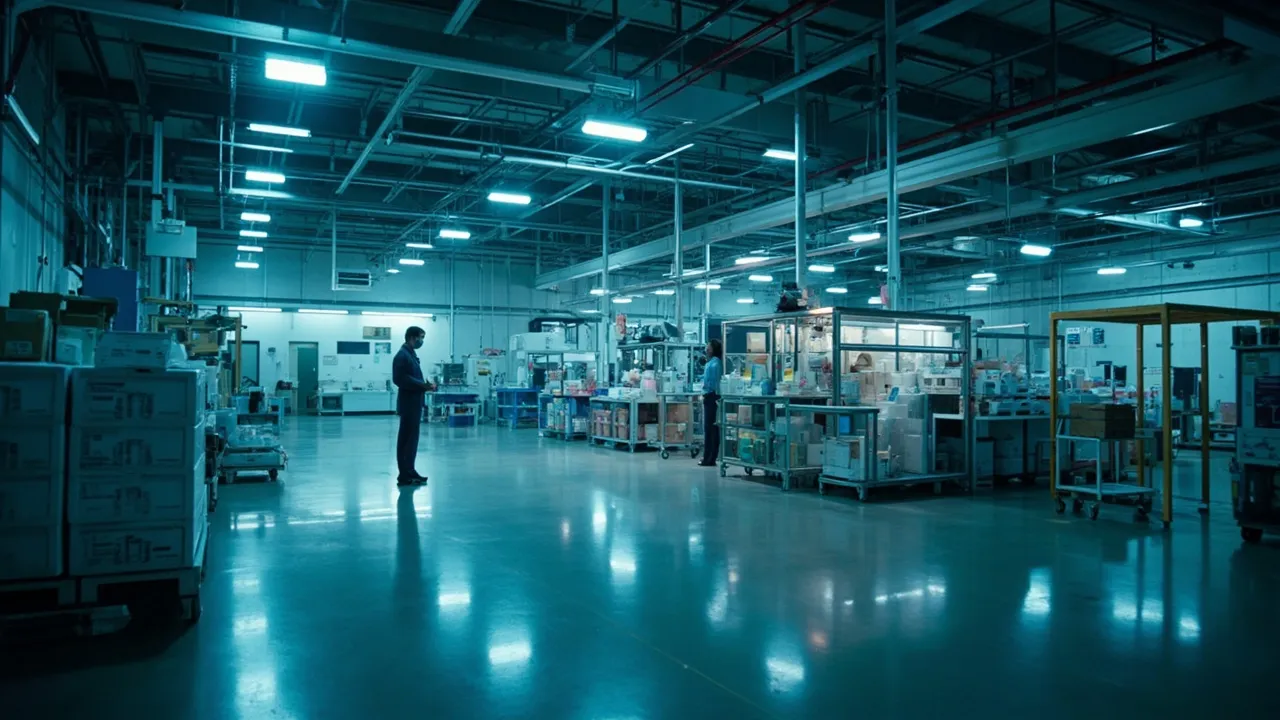
DHL Supply Chain's new centralized service for U.S. health systems puts pharmaceuticals, medical supplies, and equipment under one logistics model. The physical consolidation matters, but the more valuable opportunity is informational: one control record that tells operators what each care site has, what is moving, what is at risk, and which exception could affect a patient.
Health systems commonly manage these product groups through different teams and systems. Pharmacy watches drug lots and temperature. Materials management tracks consumables. Clinical engineering manages devices. Transportation receives delivery milestones. A hospital may therefore have data without having a reliable, end-to-end answer.
Centralization should not simply move fragmented processes into a larger building. It should create a shared operational record built around patient impact.
What DHL's centralized model changes
Logistics Management reports that DHL announced the service on September 23. A configurable consolidated service center can store, prepare, manage, and distribute drugs, supplies, and equipment to hospitals, physician practices, outpatient facilities, and other care sites.
DHL's warehouse management system will track inventory and product movement. Health systems can use that information to set stocking locations and replenishment timing, while robotics and other automation can be added inside the center. Moving inventory and preparation work away from care sites may also release scarce hospital space.
Important details remain undisclosed: DHL did not name an initial customer, provide pricing, identify launch markets, or state when the first center would operate. Health systems should therefore treat the announcement as an operating-model signal, not evidence of results already achieved.
The economics of centralization are established enough to merit attention. In an earlier analysis, Supply Chain Dive found that consolidated service centers could realistically produce 3% to 5% annual savings over five years. IU Health invested more than $9 million in its center and projected $3.1 million in annual savings, implying a payback period of less than three years.
Those gains depend on clean data and disciplined execution. A central warehouse with inconsistent item numbers, missing lot data, or disconnected delivery events only concentrates confusion.
Normalize five fields across every product class
A useful health-system control record begins with a common language. Every item or asset should carry five operational dimensions regardless of whether it is a vial, surgical kit, infusion pump, or replacement component.
Identity connects the manufacturer's item number, internal SKU, description, unit of measure, lot or serial number, expiration date, and relevant product identifier. A cross-reference table must resolve local aliases used by hospitals acquired through mergers.
Custody records the responsible organization, facility, department, and person or system at every handoff. That history supports recalls, controlled-product procedures, and investigation of loss or damage.
Urgency expresses clinical need in consistent tiers. A routine replenishment order and an item required for today's procedure cannot share the same queue merely because both have a 4 p.m. delivery promise.
Condition includes temperature range, excursion status, packaging integrity, sterility requirements, and device readiness. A shipment can be physically delivered yet operationally unavailable if its condition has not been released.
Status combines inventory and transport truth: on hand, allocated, picked, in transit, delivered, quarantined, available for use, or consumed. Each status requires a timestamp, location, source system, and confidence level.
Rank exceptions by patient impact
Conventional freight workflows often prioritize high-value shipments, late premium services, or large customer orders. Healthcare needs an additional hierarchy. A low-cost product can be the highest-priority exception if its absence delays treatment.
Build a patient-impact score from four questions:
- Is the item required for a scheduled procedure or active course of care?
- Is an approved substitute available at the destination or elsewhere in the network?
- How long can the site operate before stockout?
- Does delay create a clinical, regulatory, temperature, or sterility risk?
Combine that score with time to stockout, recovery lead time, shipment status, and product condition. The result should drive the action queue. A delayed item with 20 days of usable stock may need monitoring; the same delay with two hours of cover and no substitute needs immediate intervention.
Inventory accuracy is not a minor input. Supply Chain Dive cited a typical 3% to 5% annual variance between inventory recorded and inventory counted in hospitals. It also noted that bulk-buying hospitals can hold more than $1 million in inventory, including products at risk of obsolescence or expiration. A central record must distinguish book inventory from usable inventory and expose aging, holds, and allocations.
Join inventory availability to transport execution
Warehouse and transportation systems answer different questions. The warehouse knows what should leave; transportation knows what is moving. The care site needs to know what will be available for use and when.
Link each order line to its inventory allocation, shipment, handling unit, transport milestones, proof of delivery, receiving event, and clinical release. Measure the complete flow with a small set of shared metrics:
- usable fill rate by site, item criticality, and requested time;
- projected hours to stockout and days of supply;
- on-time delivery to the required care window, not only the carrier appointment;
- temperature and condition release time;
- exception detection-to-ownership and ownership-to-resolution time;
- expirations, emergency transfers, substitutions, and canceled procedures attributable to supply.
This design prevents a misleading success: transport can be on time while the wrong unit arrives, a cold-chain item awaits review, or the receiving event never updates available stock. Conversely, a late shipment may create no patient risk because another site holds transferable inventory. The control record reveals both realities.
Start with one service line and prove the record
Do not begin by harmonizing every item across an entire health system. Select one clinically important service line, a manageable group of care sites, and products spanning drugs, consumables, and equipment. Define identifiers, status events, exception rules, and ownership before connecting systems.
Run the control record beside current workflows for several weeks. Reconcile physical counts, validate lots and serials, test temperature exceptions, and trace transfers between sites. Measure whether the shared view reduces emergency orders, manual calls, unresolved receiving discrepancies, and time spent finding an alternative.
Only then expand. The objective is not a prettier dashboard. It is a trustworthy operating record that helps the health system place inventory intelligently, execute transportation reliably, and intervene according to patient need.
Build one healthcare logistics operating view with CXTMS
CXTMS connects orders, inventory context, shipments, milestones, costs, and exceptions in one transportation workflow. Health-system teams can prioritize critical moves, track chain-of-custody events, coordinate site transfers, and measure delivery performance against actual care requirements.
Request a CXTMS demo to design a centralized logistics control record for your healthcare network.