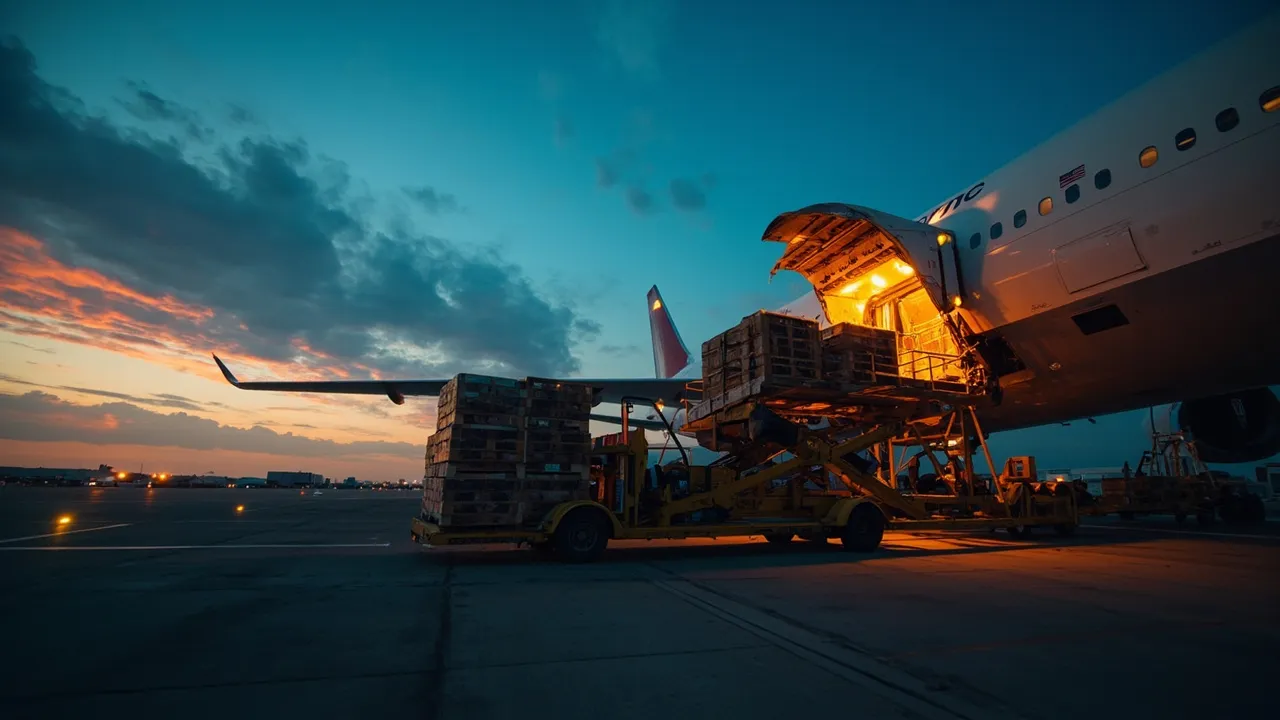
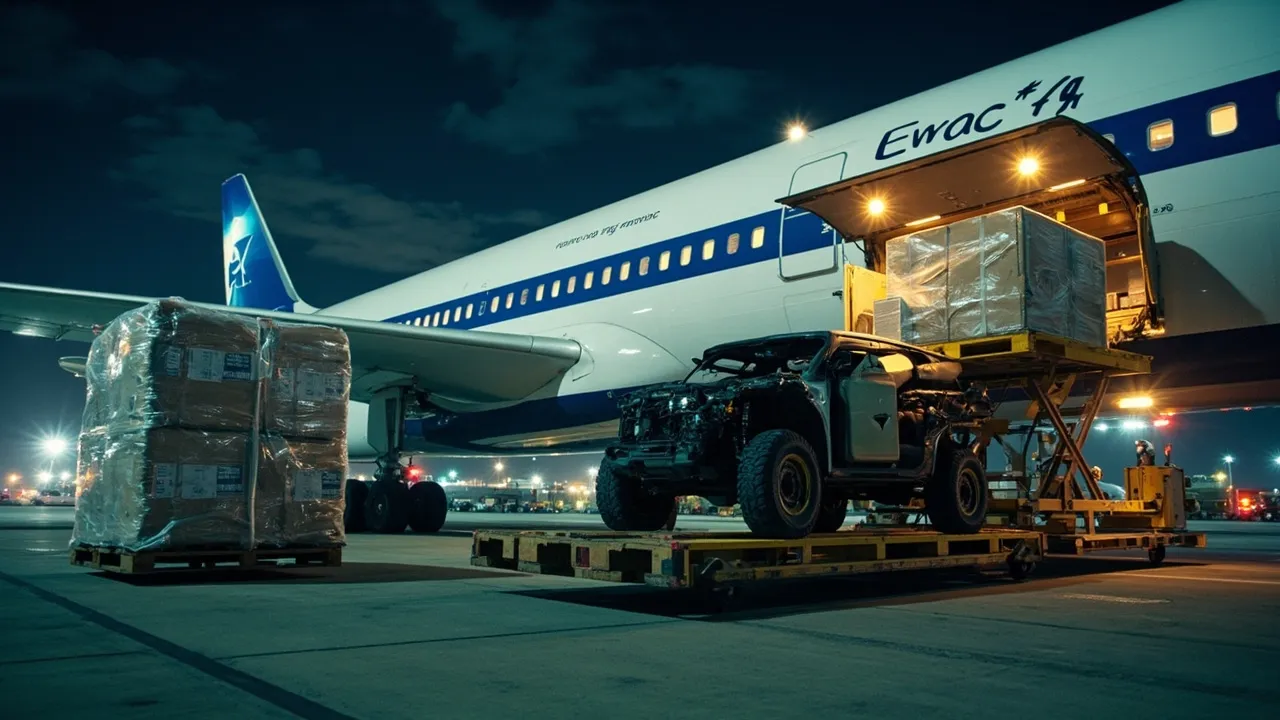
Data Center Logistics Is Becoming Its Own Airfreight Segment

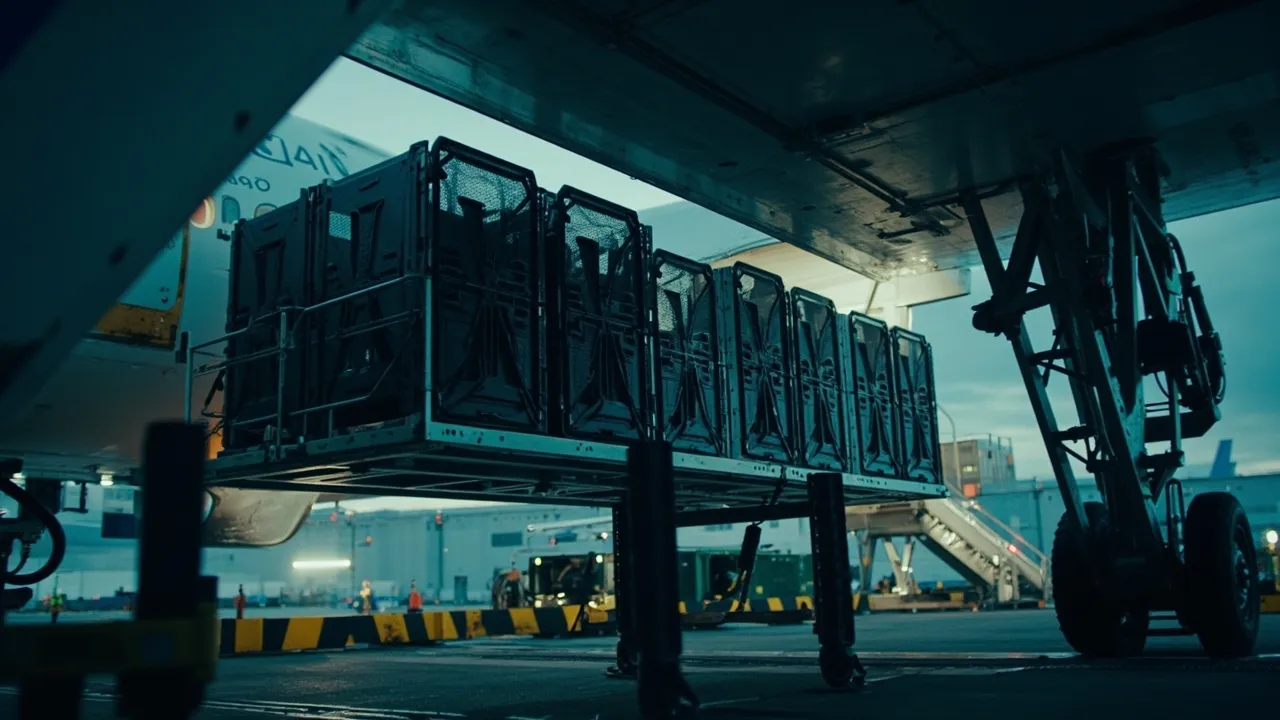
The physical buildout behind artificial intelligence is changing the air cargo mix. Server racks, semiconductors, power equipment, cooling systems, and network hardware are moving in larger quantities—and their value is measured not only by the invoice, but by the revenue lost when a data center cannot go live on schedule.
That combination of size, urgency, and consequence is pushing data center logistics beyond ordinary technology freight. It is becoming a specialized airfreight segment with its own capacity requirements, handling controls, security standards, and delivery milestones.
The financial results reveal the shift
Two recent carrier reports show how strongly premium industrial cargo is affecting the market. FreightWaves reported that DHL Group's second-quarter operating profit rose 30%, supported by heavier Express shipments, constrained air capacity, and demand from AI-related projects. DHL Express operating income increased 64%, while the company's forwarding operation posted a 22% operating-profit gain. Airfreight gross profit per unit rose 28%.
DHL said its AI-project activity now includes warehousing, international component transportation, construction-site inbound logistics, material staging, and even selected installation services. This matters because it shows that the commercial opportunity is no longer limited to an airport-to-airport movement. Providers are being asked to orchestrate the entire path from factory release to installation readiness.
Lufthansa Cargo is seeing the same pattern. Its second-quarter logistics revenue increased 27% to €1 billion, according to FreightWaves. Adjusted operating profit climbed 58% to $133.6 million, while yields rose 27% year over year. Lufthansa specifically identified artificial intelligence, semiconductors, pharmaceuticals, and automotive cargo as high-margin sectors.
The carrier also reported that the growing need to transport server racks has become an industry-shaping factor in network allocation. That statement is significant: when an airline adjusts its network around a cargo category, the category has moved beyond a temporary project spike.
Why server racks require a different airfreight product
Fully or partially integrated racks are awkward cargo. Their dimensions can exceed the practical limits of passenger-aircraft belly compartments, making main-deck freighter capacity essential on many lanes. A widebody freighter also offers the loading geometry and floor capability needed for oversized units, protective enclosures, and specialized pallets.
Physical fit is only the first constraint. A rack may contain sensitive, high-value components that are vulnerable to shock, tilt, vibration, moisture, dust, and electrostatic discharge. Logistics teams therefore need handling procedures that extend beyond a generic “fragile” label:
- approved lifting points and forklift restrictions;
- shock and tilt indicators with recorded readings;
- sealed, weather-resistant packaging and humidity controls;
- secure storage with restricted access and documented handoffs;
- route surveys for doors, docks, elevators, floor loading, and final placement;
- coordinated delivery windows tied to cranes, riggers, technicians, and commissioning teams.
The cargo also creates an unusual economic equation. Premium airfreight can be expensive, but transportation cost may be small compared with the cost of idle construction crews, delayed customer capacity, or a missed commissioning date. That does not mean every server shipment belongs on an aircraft. It means the mode decision must account for schedule exposure and business impact, not freight rate alone.
Build one data chain from origin to installation
Data center projects often involve suppliers, forwarders, airlines, handlers, customs brokers, staging warehouses, site contractors, and technical installers. Each organization may optimize its own milestone while the project team lacks a reliable view of the whole movement.
A transportation management system should maintain a shipment record that follows the equipment from component origin through final site acceptance. At minimum, that record should include:
- rack or component serial number, dimensions, weight, and declared value;
- packaging specification and environmental or shock tolerances;
- security classification and authorized custody parties;
- booked flight, aircraft type, main-deck confirmation, and connection risk;
- export, import, and customs-document status;
- planned and actual handoff timestamps at every facility;
- sensor alerts, seal changes, exceptions, and photographs;
- site readiness, delivery appointment, unloading equipment, and installation sequence.
Linking these fields turns tracking into operational control. If a flight rolls, planners can see which installation sequence is affected. If site readiness slips, they can redirect a rack to approved secure staging instead of allowing airport storage charges and handling risk to accumulate. If a shock sensor triggers, the receiving team can quarantine and inspect the correct unit before it enters the deployment sequence.
Procurement needs rules, not permanent urgency
Data center programs should reserve premium capacity selectively. A practical procurement policy divides cargo into three service tiers.
Critical-path equipment receives protected freighter capacity, minimal connections, active monitoring, and prearranged recovery options. This tier is justified when a delay directly moves the commissioning date.
Schedule-sensitive equipment can use standard airfreight with defined connection limits and an escalation trigger based on remaining schedule float.
Replenishment and noncritical material should move through deferred air, ocean, or multimodal services when inventory and lead time allow.
Procurement teams should also score lanes and providers using more than average transit time. Useful measures include booking acceptance, departure reliability, connection success, customs dwell, damage-free delivery, exception-response time, and final-site appointment performance. Cost should be evaluated as total delivered cost, including staging, demurrage, recovery transport, labor disruption, and schedule impact.
The goal is not to make every technology shipment an emergency. It is to identify the few shipments that can genuinely delay the program and give them a controlled premium service—while preventing routine cargo from consuming scarce capacity and budget.
A distinct segment needs distinct orchestration
Carrier earnings and network decisions suggest that AI hardware demand is durable enough to reshape air cargo planning. The winners will be logistics teams that combine freighter capacity with secure handling, site coordination, and a complete data trail. Moving the rack quickly is only part of the job; delivering it in the right condition, sequence, and installation window is the actual product.
Ready to coordinate high-value, time-critical freight with better control? Contact CXTMS to see how one platform can connect bookings, milestones, documents, exceptions, and final delivery.