A $9.5 Million Meth Seizure Shows Why Commodity Plausibility Belongs in Border Screening

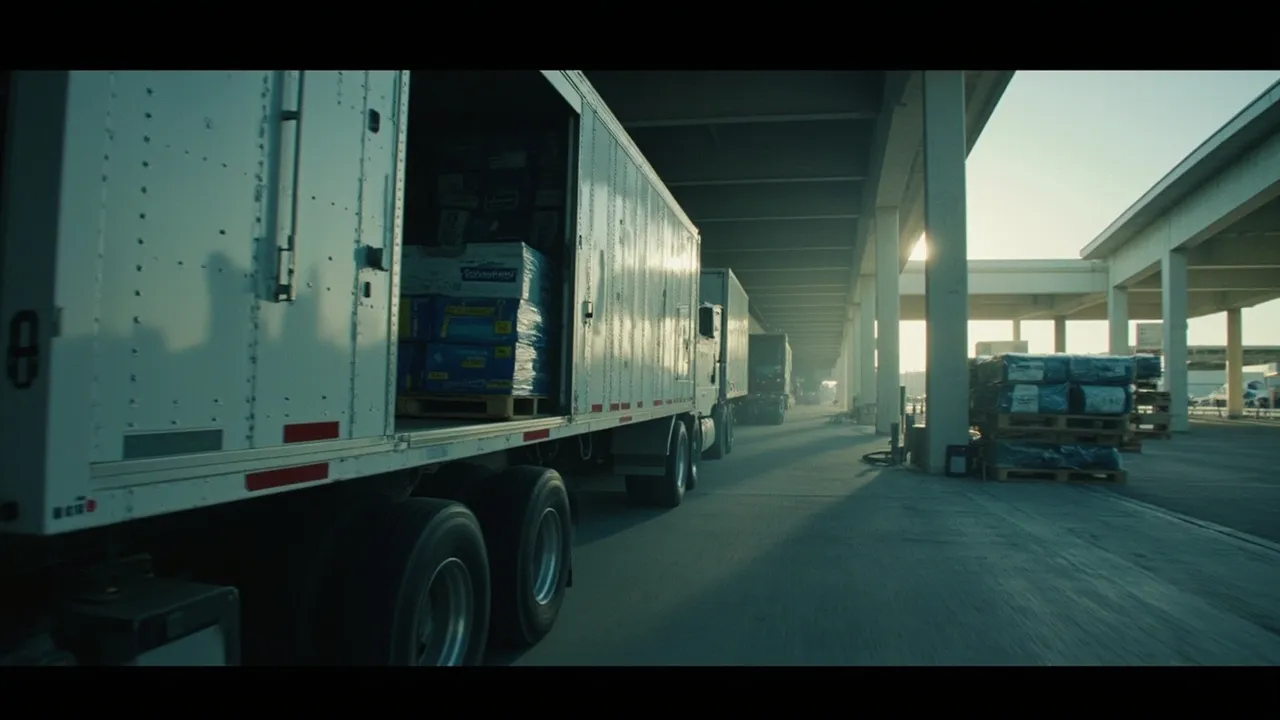
A shipment can be correctly documented and still be operationally implausible.
That distinction came into sharp focus after officers at the Roma International Bridge in Texas inspected a commercial detergent shipment arriving from Mexico. According to FreightWaves' report on the seizure, the examination uncovered 240 packages containing 1,071 pounds—485.78 kilograms—of suspected methamphetamine. U.S. Customs and Border Protection estimated the street value at more than $9.57 million.
The case is a law-enforcement success, but it also carries a practical lesson for shippers, brokers and cross-border operators. Screening should ask more than whether required fields are complete. It should ask whether the commodity, weight, packaging, trading parties, route and handling history make sense together.
Commodity plausibility is a consistency test
Commodity plausibility does not mean guessing which loads contain contraband. It means comparing shipment facts against the expected operating pattern for that product and lane.
Start with the declared commodity. A detergent shipment should have a credible product description, package type, unit count, gross weight, origin, destination and commercial purpose. The shipment profile should align with purchase orders, invoices, packing lists and prior movements between the same parties. A broad description such as “cleaning products” may be legally usable in some contexts, but it gives an operations team less analytical value than a precise SKU- or product-family description.
Then compare physical and commercial attributes. Does the average weight per pallet, drum, carton or bottle fall within a reasonable range? Is the packaging normal for the supplier and customer? Is the load density consistent with liquid detergent, powder or another declared formulation? Has the shipper suddenly changed pack size, pallet configuration or seal practice?
None of these differences proves wrongdoing. Promotions, supplier substitutions and packaging redesigns create legitimate exceptions every day. The point is to make contradictions visible early enough to verify them.
Build the pre-arrival comparison from independent signals
A useful screening process combines signals that are difficult to manipulate as one coherent story.
Commodity and weight. Compare declared weight with expected unit and pallet weights, equipment capacity and historical loads. A meaningful variance should prompt a check of the source documents and loading record.
Packaging and supplier history. Track normal container types, pallet patterns, labels and facilities for each supplier. Flag first-time suppliers, dormant relationships that suddenly reactivate and unexplained changes in packaging or loading location.
Route and timing. Compare the planned crossing, origin facility, intermediate stops and destination with the commercial lane. Unscheduled stops, an unusual crossing or a route that adds distance without an operational reason deserves review.
Carrier, driver and equipment. Confirm that the carrier assignment, driver identity, tractor, trailer and contact details match the tender and appointment. A last-minute substitution is not automatically suspicious, but it should be documented and verified through a trusted channel.
Inspection and custody events. Record loading completion, seal application, gate departure, yard arrival, border appointment, inspection and handoffs. The resulting timeline helps distinguish a legitimate delay from an unexplained gap in custody.
This evidence should be evaluated before border arrival when possible. Inbound Logistics explains that CBP's Container Security Initiative uses advance information to help identify and examine high-risk cargo while it is still at foreign ports. The underlying principle applies beyond ocean containers: earlier, better-structured data creates more options for targeted intervention.
Route anomalies without stopping ordinary freight
The wrong response is to send every variance to a person. That produces alert fatigue, delays compliant freight and teaches operators to ignore the queue.
Instead, use graduated review. A minor weight difference supported by an updated packing list may close automatically. A new supplier on a familiar lane may require document confirmation. Multiple conflicting signals—such as a vague commodity, abnormal load density, changed driver and broken custody timeline—should receive a higher score and move to secondary review.
Rules should be specific enough to explain. A reviewer should see which facts created the alert, the source of each fact and the normal baseline. The workflow should also allow legitimate explanations to be recorded once and reused appropriately. If a manufacturer permanently changes from 48 to 60 cases per pallet, the baseline needs governance, not months of repeat alerts.
Risk concentration also matters. Separate FreightWaves reporting found that California and Texas accounted for 58% of reported U.S. cargo thefts in 2025. Cargo theft is different from narcotics concealment, but both demonstrate why location and lane context belong in a broader freight-security model. Geography should adjust scrutiny, not become a substitute for evidence.
Preserve evidence as part of the shipment record
When a load is inspected or escalated, the evidence trail matters as much as the alert. Record the original and replacement seal numbers, who applied and removed each seal, timestamps, photographs where policy permits, inspection location, inspecting authority, document versions and the people who approved release.
Keep the original event history immutable and append corrections rather than overwriting it. Link emails, documents and decisions to the shipment so compliance teams do not have to reconstruct the sequence from separate inboxes. Restrict sensitive records by role and apply defined retention periods; security does not justify collecting unlimited personal data.
The result is useful even when no violation is found. A clean record can explain why a load was delayed, support a customs inquiry, resolve a customer dispute and reveal recurring weak points at a supplier, yard or handoff.
Turn border compliance into an operational control
The detergent seizure illustrates the scale of risk that can sit inside an ordinary commercial description. Freight companies cannot replace customs authorities, and they should never conduct amateur investigations. They can, however, maintain accurate data, test shipment facts for consistency, escalate meaningful contradictions and preserve a defensible chain of custody.
CXTMS brings commodity details, parties, equipment, routes, documents and shipment events into one operational record. That gives cross-border teams a practical foundation for exception rules, secondary review and auditable handoffs without forcing every compliant load into a manual process. Request a CXTMS demo to see how structured shipment data can strengthen cross-border compliance and cargo security.