Bangkok Air Cargo Congestion: Build a Terminal-System Failure Recovery Queue

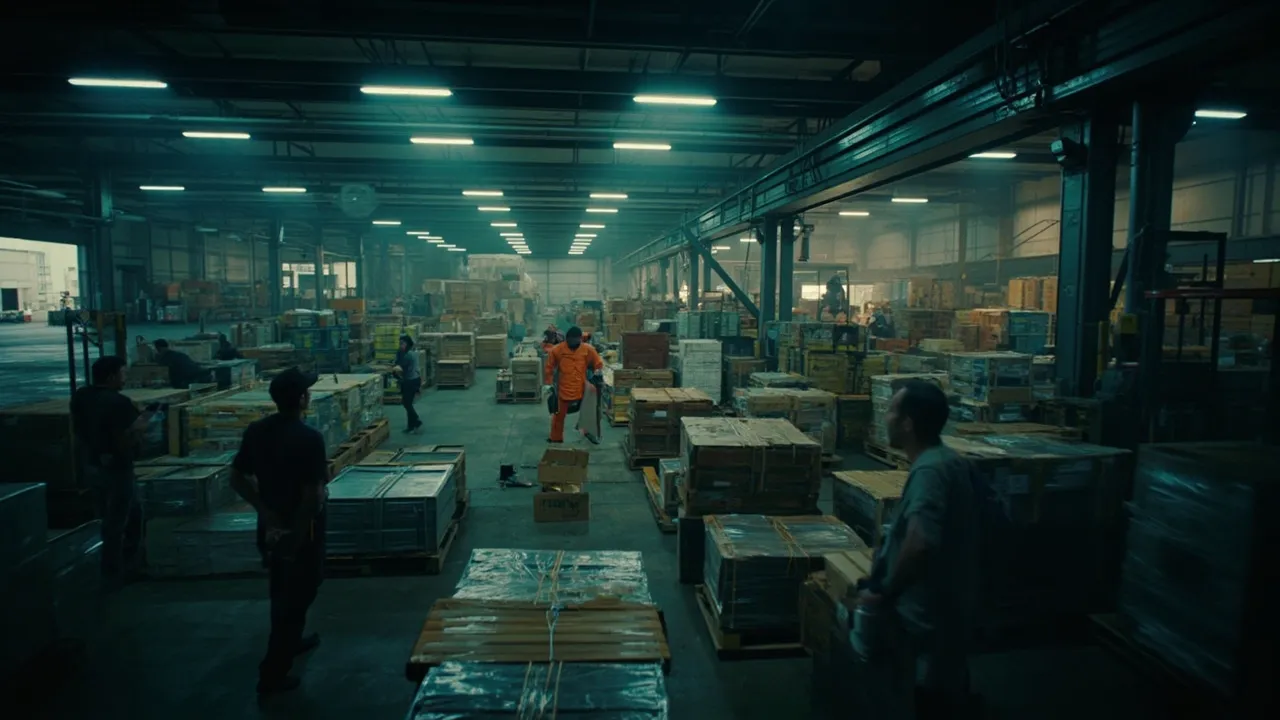
When a cargo terminal loses the system that tells workers where freight is and whether it is ready for release, the problem is not simply an IT outage. It becomes a physical search problem, a customs-control problem, and eventually a production-continuity problem for every shipper waiting on parts.
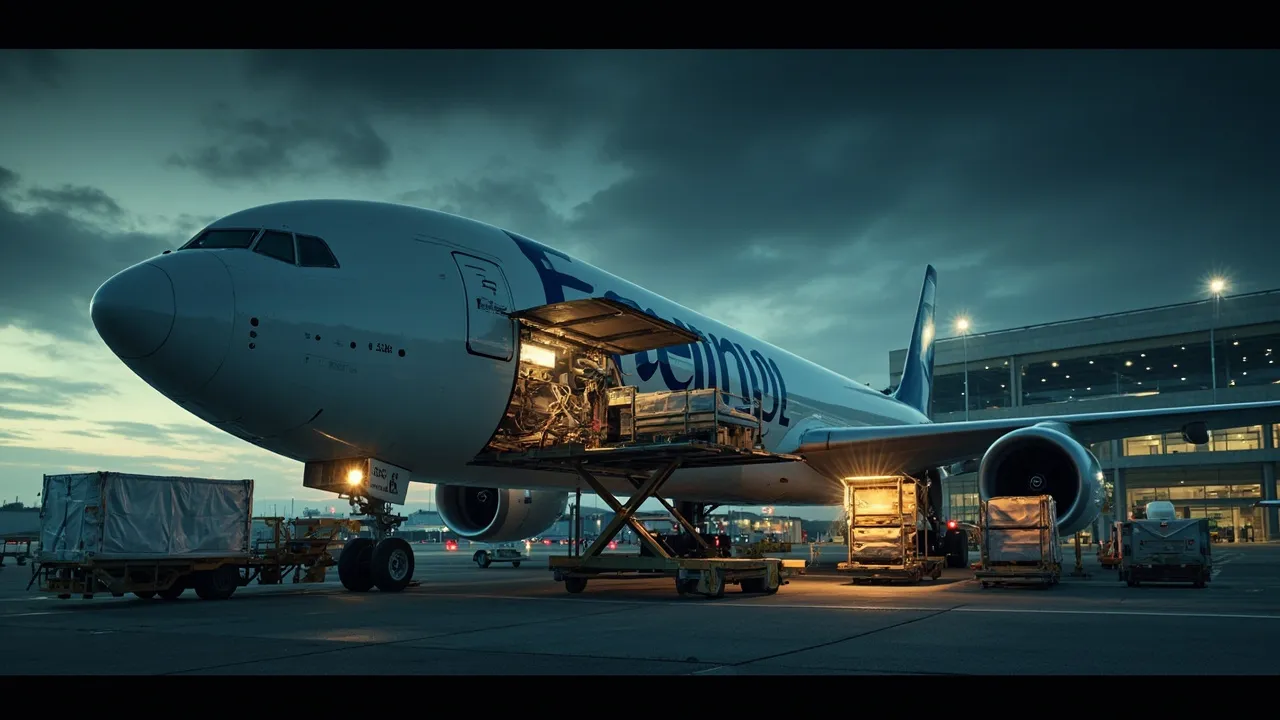
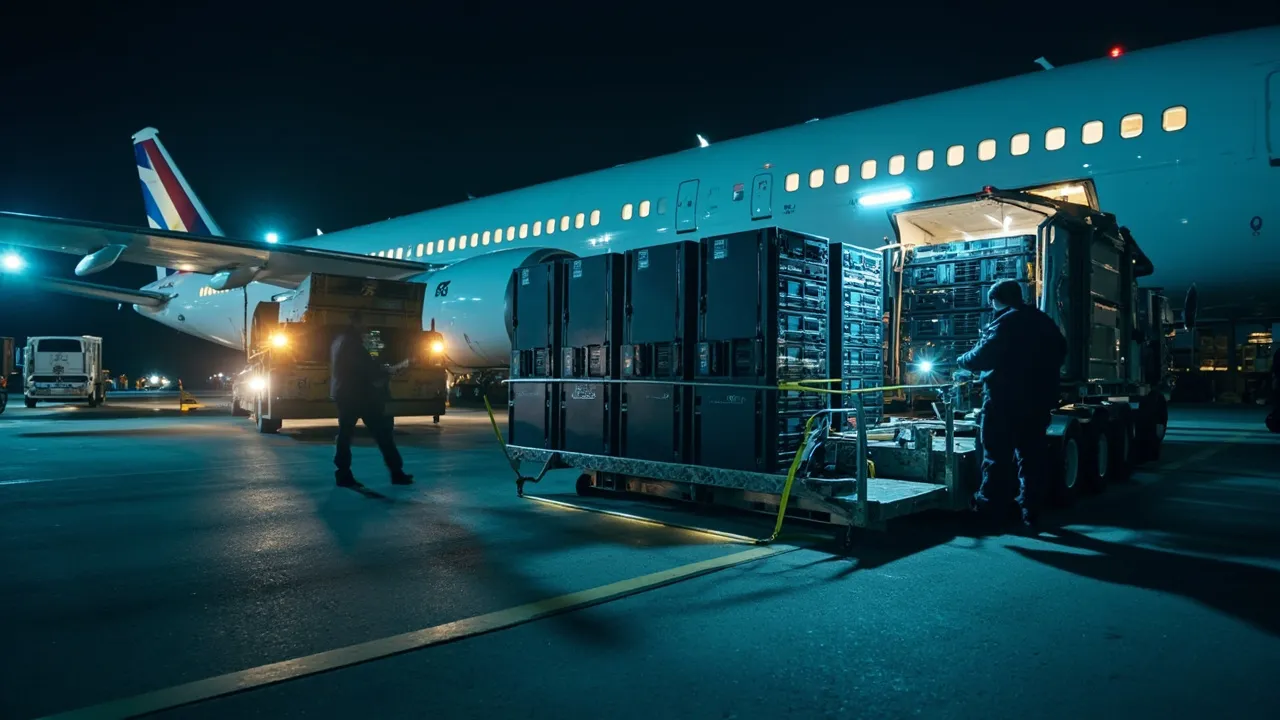
That is the lesson from the disruption at Bangkok's Suvarnabhumi Airport. A malfunction affecting cargo facilities operated by Thai Airways left warehouse teams unable to reliably record shipment locations and statuses. FreightWaves reported that hundreds of containers were unattended, large volumes remained on pallets awaiting breakdown, and poor visibility prevented forwarders and customs brokers from completing payment and release procedures.
The operational response should begin with a recovery queue—not a first-in, first-out pile.
Why ordinary backlog logic fails
The terminal initially asked airlines to restrict inbound cargo by 50% from October 31 through November 7 and suspended freighter service through the end of November. Those measures can slow the arrival of new work, but they do not identify which shipment should move first. Thai Airways also prioritized freight that arrived before October 23, a useful aging rule but only one dimension of risk.
Age alone can put low-impact general cargo ahead of temperature-sensitive medicine, a component capable of stopping an assembly line, or freight about to miss its only viable connection. Thailand's exposure makes that distinction important. Electronics, electrical equipment, automobiles, and auto parts are central export categories. Reuters reported that customs-cleared exports rose 23.1% year over year in April 2026, driven partly by electronics and automobiles. A terminal delay can therefore propagate quickly into high-value manufacturing networks.
Score every stranded shipment
A recovery team should create one record per house airway bill or handling unit and calculate a priority score from four factors:
- Condition risk: Rank pharmaceuticals, food, live animals, and other controlled cargo by remaining temperature or shelf-life tolerance. Record the last confirmed condition reading.
- Production impact: Identify parts tied to a documented line-stop time, depleted buffer, or customer shutdown. Require the consignee to provide the affected plant and latest-required delivery time.
- Release readiness: Separate cargo that is customs-cleared and immediately movable from shipments blocked by missing documents, holds, or unpaid charges. Clearing ready freight frees scarce floor space fastest.
- Connection cost: Capture the next-booked flight or truck, remaining connection window, rebooking availability, and financial or service penalty if the movement is missed.
Apply a controlled tie-breaker: imminent safety or spoilage risk first, then line-stop exposure, missed-connection time, and finally backlog age. An operations lead should approve overrides and record the reason. That prevents the loudest customer or largest account from informally jumping the queue without evidence.
Keep operating when the system cannot
A manual fallback must be designed before the outage. A spreadsheet assembled during the incident is not enough unless it has identifiers, validation, access control, and an audit trail.
At minimum, the fallback record needs the airway bill, unit load device or pallet ID, piece count, weight, airline, flight, arrival time, customs state, storage zone, condition requirements, consignee, custody holder, and last physical scan time. Use preprinted location labels and a simple zone-bay-position convention so a worker can find freight without relying on memory.
Every movement should require two events: a release from the prior location and an acceptance at the new one. Record the employee, timestamp, piece count, seal condition, and exception. For regulated or high-value cargo, use a second-person check. Photograph damaged packaging or broken seals and link the evidence to the manual record.
The fallback ledger should have one owner for data standards and one operational owner for physical placement. Teams should reconcile it at fixed intervals against airline manifests, customs messages, and physical counts. When the primary system returns, do not bulk-upload unverified rows. Reconcile exceptions first, then migrate completed and open movements in controlled batches.
Run recovery as a measured flow
The command center needs a small set of metrics updated by shift:
- Backlog age: units and weight by age bucket, including the oldest unreleased shipment.
- Release velocity: shipments or tonnes released per hour, compared with new arrivals.
- Search-to-find time: minutes from work assignment to confirmed physical location.
- Rebooking time: time from a missed connection to confirmed replacement capacity.
- Downstream exposure: number of shipments with spoilage, line-stop, or customer shutdown deadlines inside 6, 12, and 24 hours.
- Data confidence: percentage of backlog units with verified location, customs status, and custody owner.
Recovery is real only when release velocity remains above arrival volume and the oldest high-risk buckets shrink. Adding forklifts and people helps only if workers receive accurate, sequenced assignments. Otherwise, extra activity can create more unrecorded moves and make the search problem worse.
Define the exit from emergency mode
The terminal should not declare recovery when the software is merely online. Emergency mode ends when physical inventory matches system inventory, high-risk shipments are cleared or assigned a confirmed plan, customs and airline messages are current, and normal acceptance capacity can resume without rebuilding the backlog.
Afterward, preserve the queue data for a formal review. Compare the planned priority logic with actual release order, quantify avoidable missed connections, and test the manual procedure on a scheduled basis. The goal is not a perfect outage. It is a controlled degradation in which every shipment remains identifiable, owned, and prioritized by business consequence.
CXTMS helps logistics teams centralize shipment milestones, exceptions, documents, and ownership so disruptions can be managed with a shared operational record. Book a CXTMS demo to see how your team can turn terminal exceptions into accountable recovery workflows.