Amazon's Puerto Rico Delivery Station: Design Island Fulfillment Around Recovery Time

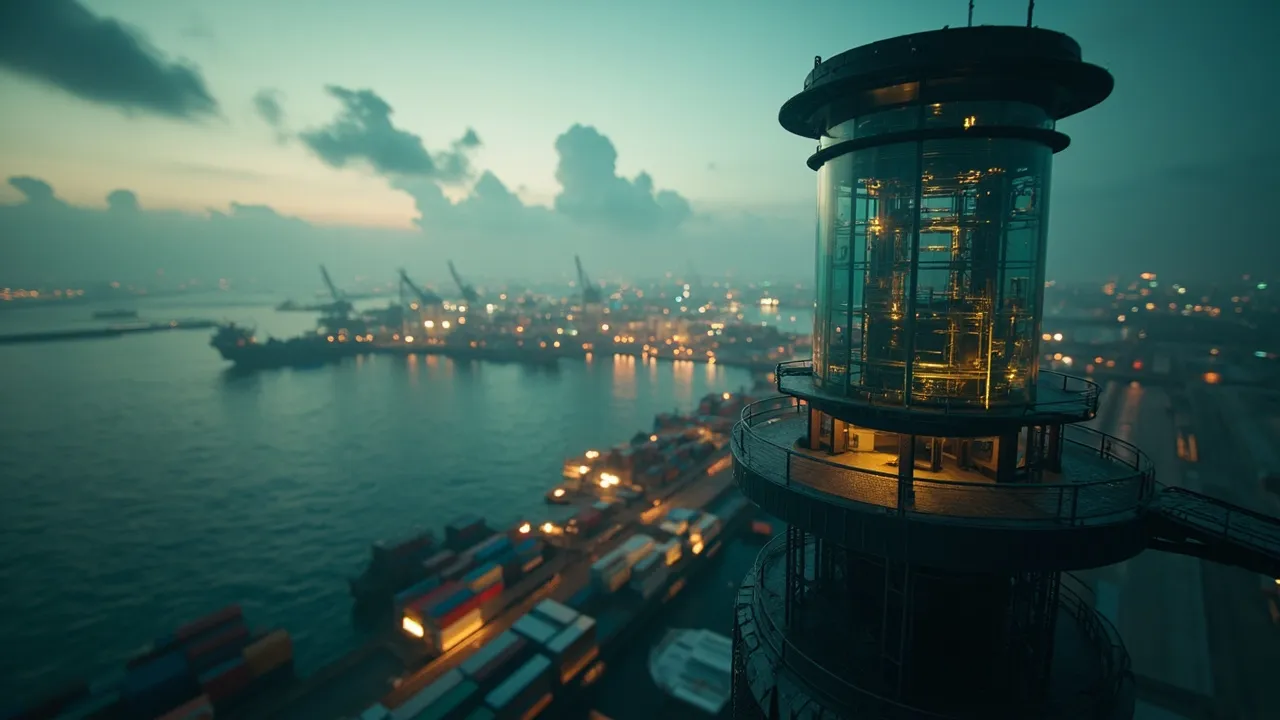
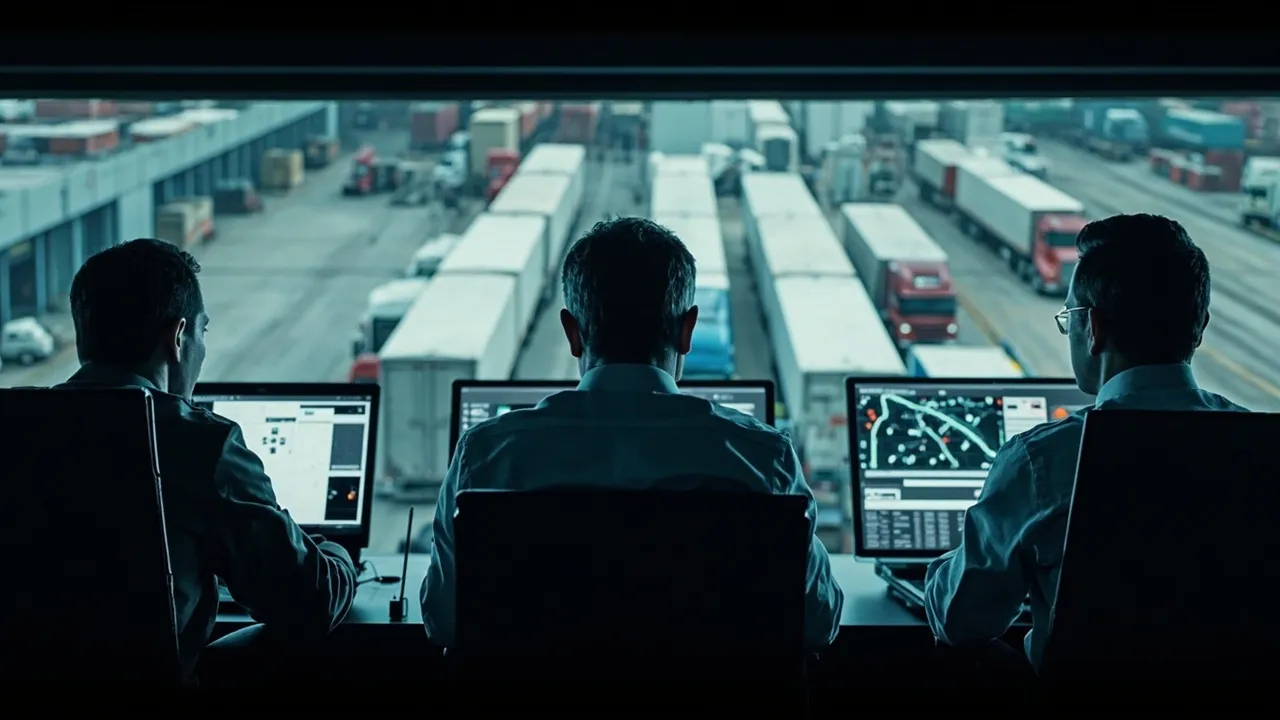
Amazon's first delivery station in Puerto Rico changes what is possible at the last mile. It does not repeal the physics of island logistics.
The distinction matters. A local station can move parcels through final sorting, dispatch, and doorstep delivery much faster than a mainland-only network. But it cannot unload a delayed vessel, reopen a closed port, restore the electric grid, or manufacture inventory that never reached the island. Operators should celebrate the speed improvement while designing the network around a harder metric: how reliably it keeps promises during disruption and how quickly it recovers afterward.
Supply Chain Dive reports that the new Dorado facility spans 100,000 square feet and can reduce delivery times for customers in the San Juan metropolitan area from as long as two weeks to about two days. That is a potential reduction of roughly 86% from the longest cited transit time. The operating lesson extends beyond one company: positioning final-mile capability near demand can remove days of handoffs, staging, and uncertainty.
Know which lead time the station actually controls
A delivery station sits near the end of a longer chain. Its controllable clock begins when sellable inventory is available for induction and ends when a parcel reaches the customer. Upstream clocks begin much earlier: supplier readiness, mainland fulfillment, ocean or air departure, port handling, customs where applicable, drayage, and replenishment into the local network.
That separation should appear in the data. A two-day customer promise can fail even when the Dorado operation performs perfectly if the item is still on the mainland. Conversely, an upstream shipment can arrive on schedule while a local outage prevents sorting or dispatch.
Use milestone timestamps to split total order cycle time into four segments:
- Replenishment: inventory release through arrival on the island.
- Availability: island arrival through inventory ready for parcel processing.
- Station execution: induction through van departure.
- Last mile: departure through delivery or documented attempt.
This prevents teams from treating every late order as a driver-performance problem. It also reveals where an extra day of safety stock, a different sailing, or a backup sort plan would have the greatest effect.
Build buffers around interruption duration
Island inventory policy should be based on time to recover, not simply average daily demand. For each important product class, calculate expected demand during the longest credible replenishment interruption, then add variability for demand surges and transport uncertainty. High-value slow movers may justify airfreight contingencies; essential or high-velocity goods may justify deeper local stock.
Puerto Rico has meaningful logistics infrastructure. Inbound Logistics notes that its noncontiguous U.S. Foreign Trade Zone includes the ports of San Juan, Mayaguez, and Ponce. Multiple gateways create options, but optionality becomes useful only when routing rules, carrier capacity, rates, operating contacts, and system mappings are prepared before a disruption.
Segment the buffer rather than applying one blanket days-of-supply target. Consider product criticality, margin, shelf life, source concentration, replenishment frequency, and whether a substitute is acceptable. Then connect reorder points to live inbound milestones. A vessel that misses its planned departure should change projected availability immediately, not after customers begin placing orders against stock that will not arrive.
Make power and communications part of fulfillment design
Severe weather turns building utilities into service dependencies. In 2022, Hurricane Fiona caused an island-wide outage affecting Puerto Rico's 3.3 million people; Reuters reported that about 349,000 homes and businesses remained without power ten days after the storm struck.
A resilient station therefore needs more than a generator purchase order. It needs tested runtime assumptions, fuel replenishment priorities, load-shedding rules, maintenance records, and a manual operating mode. Critical loads should be explicit: safety systems, network equipment, sortation, charging, refrigeration if present, and enough lighting to operate safely.
Communications require the same discipline. Primary and secondary network paths should avoid a shared point of failure. Offline procedures should define how teams receive manifests, record scans, sequence routes, authenticate drivers, and synchronize events when connectivity returns. Paper can be a fallback, but only if the reconciliation process prevents duplicate parcels and false delivery confirmations.
Carrier resilience also needs named alternatives. Prequalify local delivery capacity, linehaul providers, drayage partners, and fuel suppliers. Document activation thresholds and commercial terms before a storm is approaching. A backup carrier without current credentials, compatible data exchange, or available equipment is not backup capacity.
Run recovery as a measurable operating process
Average delivery speed hides the days customers remember most. A better scorecard combines normal performance with disruption behavior:
- Promise reliability: percentage of orders delivered by the date shown at checkout.
- Inventory availability: percentage of demand served from island stock by product class.
- Time to detect: hours between an upstream exception and a revised operating plan.
- Time to stable operation: hours from disruption onset until the station sustains its target throughput.
- Backlog burn rate: net parcels cleared per hour after inbound or station operations resume.
- Recovery promise accuracy: percentage of revised delivery dates that are met.
- Critical dependency coverage: tested hours of backup power, communications, fuel, labor, and carrier capacity.
Set recovery-time objectives by scenario: commercial power loss, telecommunications failure, port closure, road restriction, labor shortage, or simultaneous events. Exercise them before hurricane season. A tabletop test is useful, but a controlled failover that proves backup power, connectivity, data synchronization, and dispatch processes is stronger evidence.
The Dorado station can bring the customer much closer to the inventory and compress a formerly long final-mile cycle. The durable advantage, however, comes from connecting that local speed to upstream visibility and a rehearsed recovery system. In island fulfillment, fast on an ordinary day is good. Predictable through disruption is the real service promise.
Ready to manage island inventory, multimodal milestones, carrier exceptions, and customer promises in one workflow? Request a CXTMS demo to see how resilient transportation execution can work for your network.