AI Infrastructure Is Becoming a Freight Demand Signal

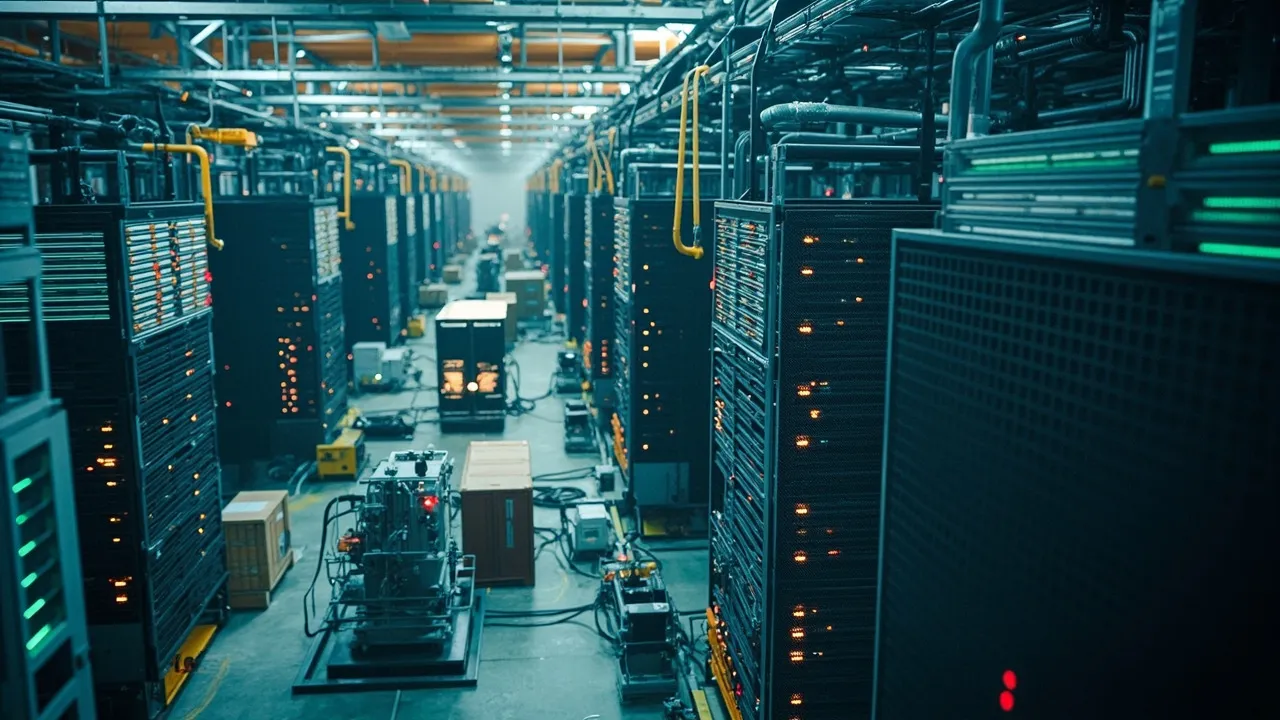
Artificial intelligence is no longer only a technology-sector forecast. It is becoming a physical freight program built from servers, cooling systems, transformers, switchgear, backup generators, racks, cable, and construction materials. Each data-center campus creates a sequence of transport requirements—and the sequence is more useful to logistics planners than another broad projection of AI spending.
The distinction matters because elevated freight rates can reflect both durable cargo demand and temporary network friction. When those effects are combined into one market narrative, shippers may reserve too much capacity after congestion clears or too little when critical equipment milestones arrive.
Read the Freight Signal Behind the Market Headline
Reuters reported that Maersk raised its outlook as AI infrastructure buildout and port congestion helped sustain freight rates. That pairing deserves careful treatment. AI construction generates real equipment movements; congestion raises the price and variability of moving cargo already in the network. One can persist even after the other fades.
The underlying infrastructure pipeline is substantial. McKinsey estimates that global data-center capacity demand could almost triple by 2030, with approximately 70% of that demand coming from AI workloads. In a separate analysis, the firm projects data-center demand reaching 220 gigawatts by 2030, a 22% compound annual growth rate and nearly six times the 2020 level. It also estimates that procurement and installation spending for data-center mechanical and electrical systems could exceed $250 billion by 2030.
Those figures do not convert directly into container volumes. They do show why data-center projects should appear as a distinct demand segment in freight planning rather than disappearing inside a generic “technology” customer category.
Map the Buildout to Modes and Handling Requirements
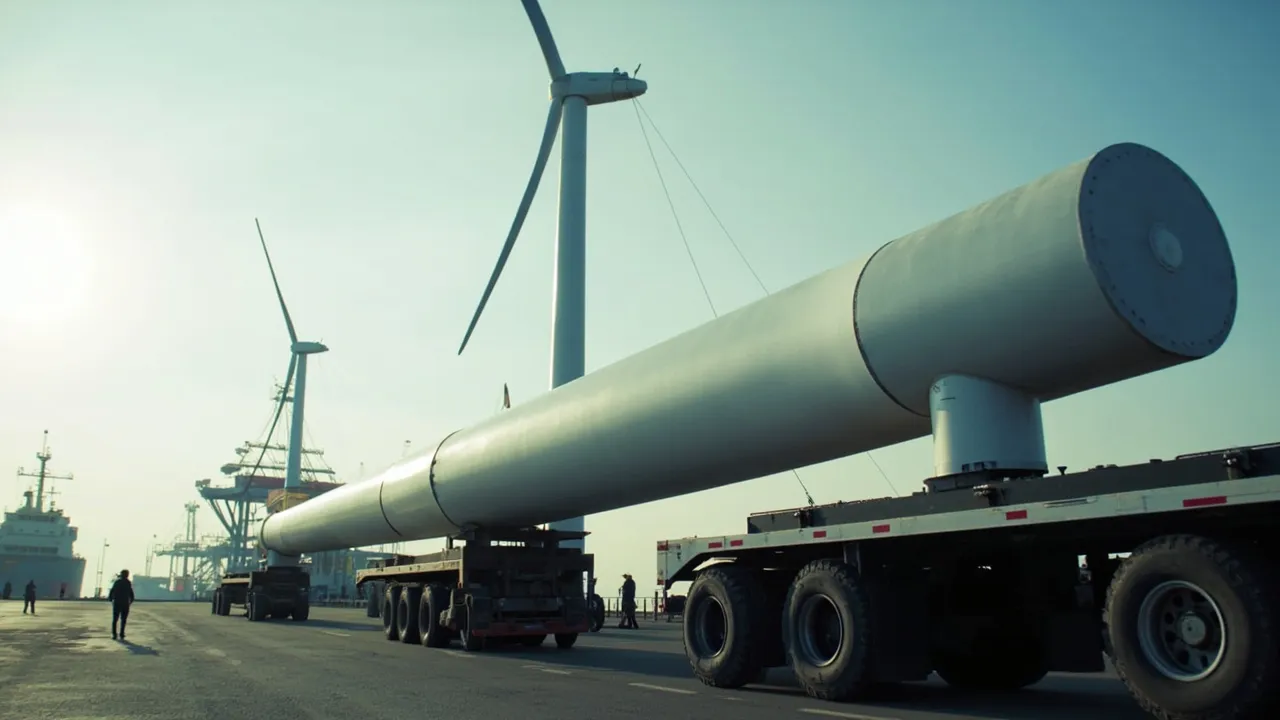
An AI campus does not arrive as a single shipment. Early civil works can produce truckload demand for structural and site materials. Electrical infrastructure creates heavy-haul and project-cargo moves for transformers, generators, switchgear, and large uninterruptible power systems. Cooling plants add chillers, pumps, heat exchangers, piping modules, and liquid-cooling components.
Compute equipment follows a different transport profile. Servers, accelerator hardware, networking devices, and storage systems are high-value and time-sensitive. Planned replenishment may move by ocean container, but a late production batch or commissioning delay can trigger air freight. At destination, secure warehousing, appointment-controlled delivery, inside handling, liftgate or rigging support, and precise chain-of-custody records become essential.
The forwarding market is responding. FreightWaves reported on AIT Worldwide's acquisition of an Australian forwarder involved in major technology buildouts. The article notes that AIT projects about $4.5 billion in gross revenue. The strategic point for shippers is not the acquisition itself; it is that specialized capability around high-value, tightly scheduled technology infrastructure is attracting logistics investment.
Planners should therefore split the program into at least four demand streams:
- oversized electrical and cooling assets requiring project-cargo engineering;
- standard construction inputs moving through containers and truckload networks;
- high-value compute equipment needing secure ocean or air transport;
- synchronized final-mile deliveries tied to site readiness and commissioning.
Separate Durable Demand From Congestion Inflation
Rates alone are a poor demand signal. A higher spot rate can result from stronger cargo volume, vessel bunching, port queues, equipment imbalance, schedule disruption, or some combination of them. A useful lane forecast should maintain separate indicators for underlying project demand and network friction.
For durable demand, track confirmed purchase orders, factory release dates, equipment counts, cargo dimensions, required-on-site dates, and commissioning phases. For congestion, track berth waiting time, schedule reliability, rollover frequency, dwell, blank sailings, and container availability. The forecast can then preserve base volume from confirmed infrastructure milestones while applying a temporary lead-time or price adjustment for congestion.
This separation improves decisions. If congestion eases but transformer and cooling-system releases remain confirmed, the shipper can reduce its rate-risk buffer without canceling necessary capacity. If project milestones slip while ports remain crowded, it can avoid treating expensive transportation as proof that its own cargo demand is accelerating.
Use Equipment Milestones as Booking Triggers
Annual AI investment estimates are too broad for transport execution. Capacity should be tied to physical milestones that create a credible shipment window.
Start with the long-lead equipment register. Each asset should have a supplier, origin, dimensions, mode assumption, factory acceptance test date, ready-to-ship date, site-required date, and installation dependency. Turn status changes into booking actions. For example, a passed factory acceptance test can trigger the project-cargo booking; a confirmed server allocation can open a secure air or ocean reservation; completion of the data hall's power and cooling checks can release final-mile delivery appointments.
Use graduated commitment rules rather than one booking threshold. A tentative manufacturing slot can reserve forecast capacity. A purchase order and production confirmation can justify a soft allocation. A completed test and firm site date can trigger the carrier booking. Exception alerts should fire when cargo readiness, port cutoffs, customs documents, or site readiness diverge from the plan.
The TMS should retain the reason for every capacity commitment. That record allows teams to distinguish a booking backed by an equipment milestone from one created in response to a broad market forecast. It also makes later forecast-bias reviews more useful: planners can see whether the failure came from supplier production, international transport, congestion, customs, or destination readiness.
Build a Signal That Operations Can Trust
AI infrastructure creates a compelling freight story, but execution improves only when investment headlines are translated into shipment-level facts. The strongest signal is not a forecast of compute demand by itself. It is a verified chain from campus phase to equipment order, production milestone, cargo-ready date, transport requirement, and site appointment.
CXTMS brings those milestones, bookings, documents, costs, and exceptions into one operating record so logistics teams can reserve capacity when the cargo—not the hype—calls for it. Request a CXTMS demo to build milestone-driven planning and control into your data-center freight program.