The $586,000 Copper Load Recovery: An Eight-Hour Carrier-Impersonation Response Plan

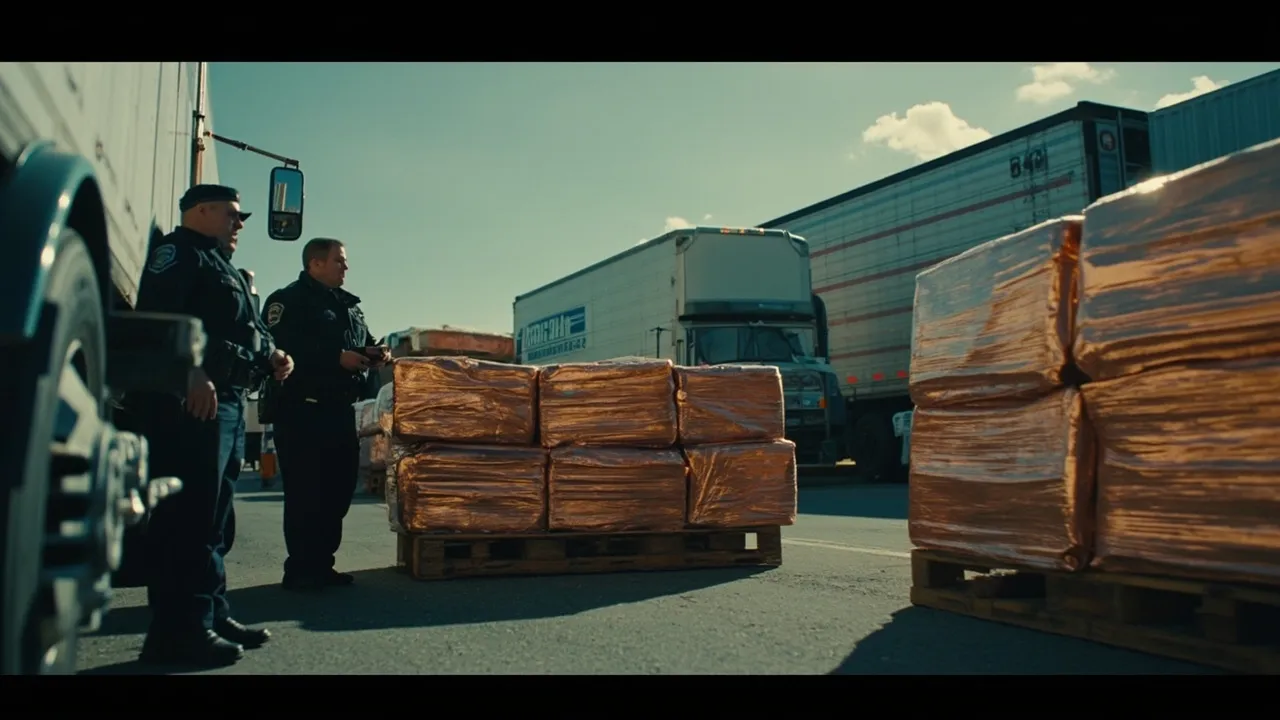
A six-pallet copper shipment was supposed to move from Illinois to South Carolina. Instead, a driver allegedly impersonating the assigned carrier took it to a Kentucky warehouse. The cargo was worth about $586,000.
The result could have been a permanent loss. Instead, investigators recovered all six pallets in roughly eight hours after using GPS data associated with Schneider equipment to locate the shipment. The case is a useful blueprint for logistics teams because it shows both sides of modern cargo theft: criminals can exploit identity and release processes without force, but connected shipment data and decisive coordination can still compress the recovery window.
That window matters. Copper is valuable, divisible and easy to move into resale channels. Once a load is broken down or transferred again, physical recovery and proof of custody become much harder.
What the recovery reveals
FreightWaves reported that the load was diverted from its South Carolina destination to a Kentucky warehouse. Investigators then used Schneider GPS information to find the shipment and recover every pallet. The same investigation reportedly helped locate stolen company equipment.
The operational lesson is not simply “install tracking.” Several controls had to work in sequence: someone recognized a deviation, the right parties shared usable identifiers, law enforcement received actionable location data, and the cargo remained identifiable when officers arrived.
The threat is also broader than one load. FreightWaves reported that deceptive pickup schemes involving false identities, forged credentials and carrier impersonation rose 31% year over year in the first quarter of 2026. Another 2026 case involved allegations of $4.49 million in cargo losses, including approximately $266,000 in copper. High-value metals therefore deserve a response procedure that is rehearsed before a suspicious pickup occurs.
Controls that should fire before release
The first defense is an identity check tied to the specific tender, not merely a carrier profile that looked legitimate during onboarding.
At arrival, the facility should compare the driver's government ID, tractor and trailer numbers, license plates, carrier name and pickup reference with data supplied through an authenticated channel. A dispatcher callback must use the phone number already stored in the carrier master—not a number from an email, rate confirmation or caller. Last-minute substitutions should pause release until a named broker or shipper contact approves them.
The TMS should also detect contradictions. Warning signals include a newly changed carrier email, an unfamiliar dispatch domain, a pickup IP or phone number inconsistent with prior activity, equipment that differs from the tender, and a destination-change request immediately after departure. No single signal proves fraud, but two or more should require secondary review.
Tracking must begin at the gate. For a high-value load, create geofences around the origin, approved route, planned fuel stops and consignee. Alert on an unexpected stop, route deviation, tracker silence, trailer separation or arrival at an unapproved warehouse. A destination mismatch should be treated as a security event, not a routine service exception.
The eight-hour response chain
Minutes 0-15: validate and contain
The control tower should confirm the alert with the consignee and the legitimate carrier using trusted contact records. Freeze any destination, appointment or carrier-master changes connected to the load. Do not contact the suspected impersonator first; that may prompt a rapid transload.
Open one incident record in the TMS and assign an incident commander. Record the load ID, commodity, declared value, seal number, pallet count, equipment numbers, last known coordinates and every person contacted. Preserve the original tender and pickup documents before anyone overwrites them.
Minutes 15-45: activate the network
Bring five parties onto one response chain: shipper security, broker operations, the legitimate carrier, the telematics or tracking provider, and law enforcement. Give police a concise fact package with current location data, vehicle descriptions and why the pickup is believed fraudulent. If the tractor, trailer or tracker belongs to another fleet, its security team should authorize direct data sharing immediately.
The broker should keep communications centralized. Parallel calls from multiple employees create conflicting instructions and gaps in the incident log. One person coordinates; another captures timestamps, decisions and evidence.
Minutes 45-120: track without contaminating evidence
Export GPS coordinates with timestamps and retain screenshots only as supporting material. The source export is stronger evidence than a cropped image. Preserve emails with full headers, call logs, text messages, bills of lading, gate-camera footage, driver-ID images and access logs. Calculate and store file hashes where practical so investigators can demonstrate that evidence was not altered.
Continue monitoring movement, but do not direct untrained employees to intercept a vehicle or enter a warehouse. Provide updates to the investigating agency and let officers manage physical recovery.
Hours 2-8: recover, reconcile and secure
At recovery, photograph the trailer, seal, pallet labels and visible condition before unloading. Count all six pallets—or the applicable handling units—against the bill of lading. Document who takes custody at every transfer, including names, organizations, times and signatures. Quarantine the freight until the shipper assesses damage or substitution risk.
Then close the digital breach. Disable compromised accounts, invalidate links or documents used in the fraud, lock carrier-master edits and notify other facilities that might receive the same impersonator. Preserve evidence even after the freight is recovered; the criminal and insurance investigations are only beginning.
Build the workflow into transportation operations
A response plan should live inside daily execution, not in a security binder. Configure high-value-load flags, mandatory driver and equipment fields, geofence exceptions, escalation contacts and a timestamped incident log in the TMS. Test the process quarterly with a tabletop exercise built around a false pickup and an unauthorized destination.
Measure time to detect, time to validate, time to notify police and time to produce the evidence package. The eight-hour copper recovery shows what is possible when information moves faster than the stolen freight.
CXTMS connects carrier records, shipment milestones, documents and exception workflows so logistics teams can spot discrepancies and coordinate a disciplined response. Request a CXTMS demo to see how high-value freight controls can fit into your transportation operation.