CMA CGM's Giant LNG Containership Makes Fuel Availability a Port-Call Constraint

The arrival of a giant containership is usually described as a capacity story. For an LNG-powered vessel, it is also an infrastructure test.
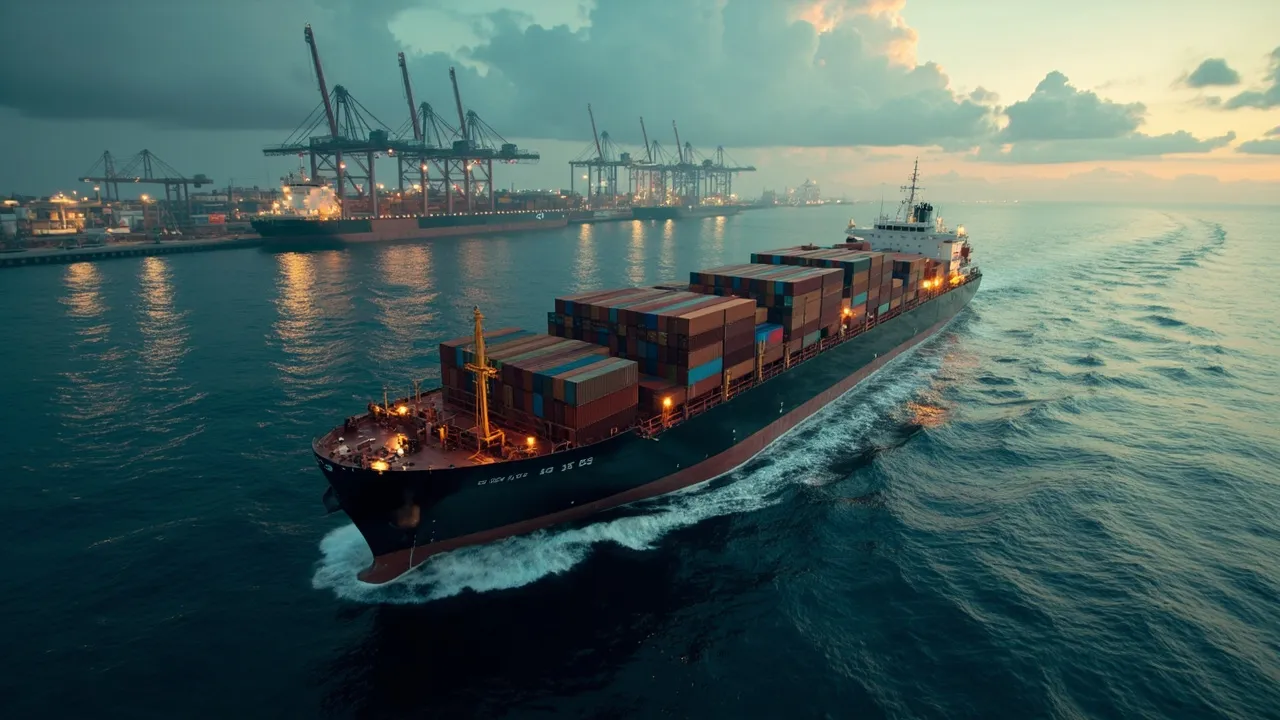
The CMA CGM Notre Dame made its maiden call at Shanghai on May 25. According to Inbound Logistics, the vessel is 400 meters long and can carry as many as 24,212 twenty-foot-equivalent units (TEU), making it the world's largest LNG-powered containership. Those dimensions create impressive scale, but they also narrow the set of ports and terminals capable of serving the ship without operational compromise.
For shippers, the lesson is straightforward: published vessel capacity does not equal usable capacity on every rotation. Fuel supply, berth geometry, water depth, cranes, tug availability, and schedule windows can determine whether a nominally attractive sailing is operationally viable.
Make LNG a routing constraint, not a vessel attribute
An LNG-capable ship still needs a reliable bunker plan. Planners must know which ports can supply the required fuel grade and quantity, whether delivery is ship-to-ship, truck-to-ship, or terminal-based, and whether bunkering can occur alongside cargo operations. They also need a contingency if the supplier, bunker vessel, or transfer window becomes unavailable.
The infrastructure is developing, but it is not uniform. Reuters reported that Singapore's first LNG refueling operation for a containership involved the 15,000-TEU CMA CGM Scandola. The port had expanded LNG storage and issued bunkering supply licenses before the operation. That example shows what readiness actually requires: fuel inventory, licensed suppliers, compatible delivery assets, safety procedures, and a port schedule that allows the transfer.
The scale has continued to rise. The Notre Dame carries 9,212 more TEU than the 15,000-TEU vessels CMA CGM introduced to the trans-Pacific trade. A larger ship can require more careful coordination because a missed bunker event is not an isolated service failure; it can put thousands of containers and subsequent port calls at risk.
Every routing guide should therefore record LNG availability by port, supplier, delivery method, maximum transfer rate, advance-notice requirement, simultaneous-operations permission, and fallback location. Treat those fields as constraints in voyage planning rather than notes added after a rotation has been selected.
Qualify the entire port call
Fuel is only one gate. A 400-meter vessel needs a berth long enough for safe mooring, an approach channel and berth pocket with sufficient depth, and a tidal plan that protects under-keel clearance. Turning-basin dimensions, pilot qualifications, bollard capacity, weather limits, and tug power also matter.
Then the terminal must work the ship. Crane outreach must reach the vessel's full beam, air draft must fit local restrictions, and enough cranes must be available to complete the planned exchange within the berth window. Yard capacity and gate flow need to absorb a large discharge without burying priority boxes or creating truck congestion.
Build a port-readiness record with six linked checks:
- Fuel: confirmed quantity, specification, supplier, delivery asset, transfer window, and fallback.
- Marine access: channel depth, berth depth, tide restrictions, turning basin, pilots, tugs, and weather limits.
- Berth: length, mooring arrangement, fender rating, competing calls, and allowable arrival window.
- Cranes: outreach, lift height, productivity target, maintenance status, and number committed to the call.
- Terminal flow: yard slots, reefer plugs, dangerous-goods areas, rail and truck appointments, and transshipment connections.
- Schedule recovery: latest safe arrival, berth-swap options, alternate bunker port, and downstream connection impact.
A green status should expire. Draft changes with siltation and tides; crane availability changes with maintenance; LNG supply can be committed to another vessel; and congestion can erase an otherwise feasible berth window. Revalidate the record before booking cutoffs and again before the ship enters the port approach.
Separate nominal capacity from deployable capacity
A carrier may advertise space on a 24,212-TEU ship, but a shipper needs capacity that can actually move through the planned sequence of ports. A call constrained by draft may require reduced loading. Limited crane productivity can lengthen port time. An unavailable bunker slot may force a schedule change or an additional fuel stop. Any of these can reduce effective capacity or break a connection.
Calculate deployable capacity at rotation level. Start with nominal vessel capacity, then apply restrictions for draft, stability, hazardous cargo, reefer plugs, deadweight, terminal productivity, schedule buffer, and port-specific operating limits. The result will differ by voyage and season.
This distinction is important during procurement. The lowest ocean rate is not the best option if the planned service regularly faces berth restrictions, fuel uncertainty, or missed feeder connections. Compare services using expected landed cost and reliability: base freight, likely delay, inventory cost, transshipment risk, demurrage exposure, and the cost of recovery.
Add port readiness to the booking decision
Shippers do not need to manage the vessel's bunker contract, but they do need visibility into the constraints that can affect their cargo. Before awarding volume, ask carriers which ports on the service can bunker LNG, how alternative fuel calls are handled, what draft restrictions apply, and how terminal capability is validated for ultra-large vessels.
At booking, connect each shipment to the vessel, voyage, terminal, planned bunker event, berth window, and onward connection. Create alerts when a bunker confirmation is late, the expected draft exceeds the port limit, the berth window moves, or crane productivity threatens the departure time. Prioritize alerts by customer promise and recovery cost rather than sending every change to every operator.
Operational history should then inform future awards. Track berth waiting time, port productivity, bunker-plan changes, omitted calls, connection misses, and schedule recovery by vessel and terminal. A route that looks efficient in the schedule may prove fragile after several voyages.
Turn vessel scale into reliable service
Ultra-large LNG-powered ships can move enormous volumes with an alternative marine fuel, but their economics depend on a chain of compatible ports. The Notre Dame's 400-meter length and 24,212-TEU capacity make that dependency impossible to ignore.
CXTMS connects bookings, vessel schedules, port milestones, shipment exceptions, and customer commitments in one operating view. Request a CXTMS demo to add port-readiness checks to ocean routing and turn advertised capacity into dependable freight movement.