Chilean Produce's New East Coast Cold-Chain Route Makes Fumigation a Transportation Milestone

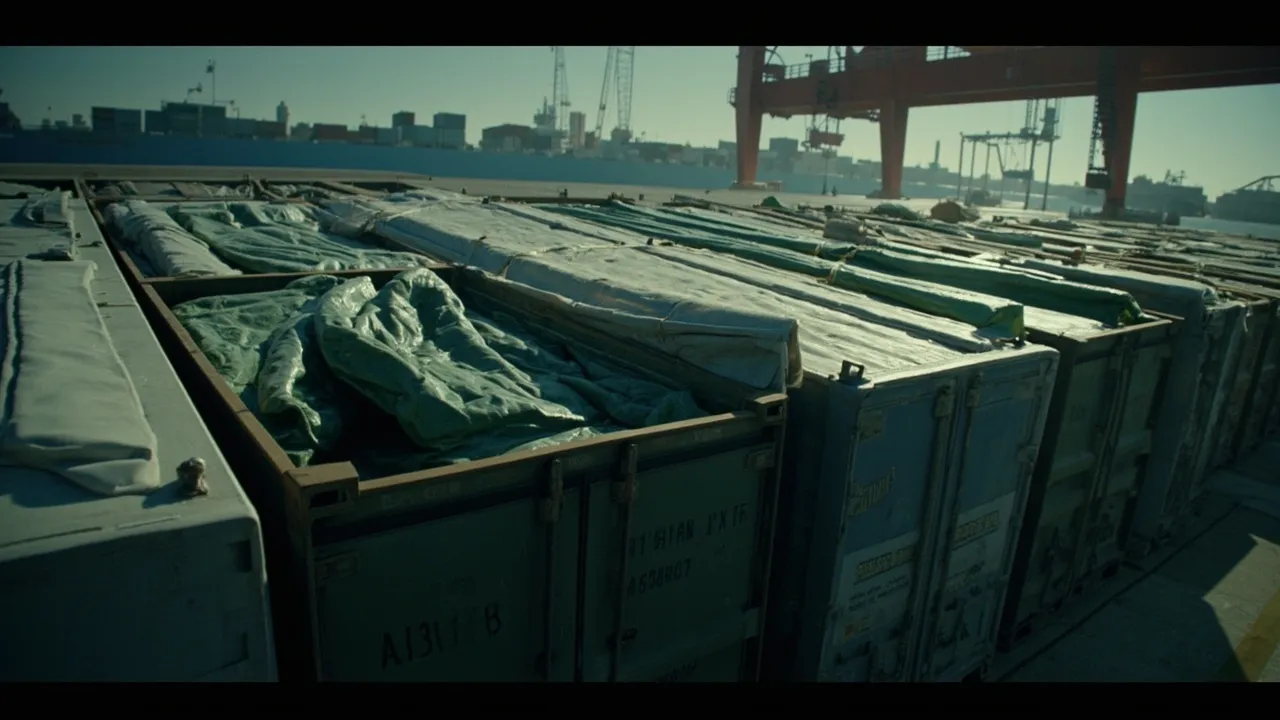
A refrigerated container reaching the dock is not the same as produce becoming available for sale. For regulated fruit, vessel discharge can be followed by inspection, fumigation, treatment verification, regulatory release, drayage, and a receiving appointment. If transportation planning treats discharge as the finish line, every downstream promise starts with the wrong clock.
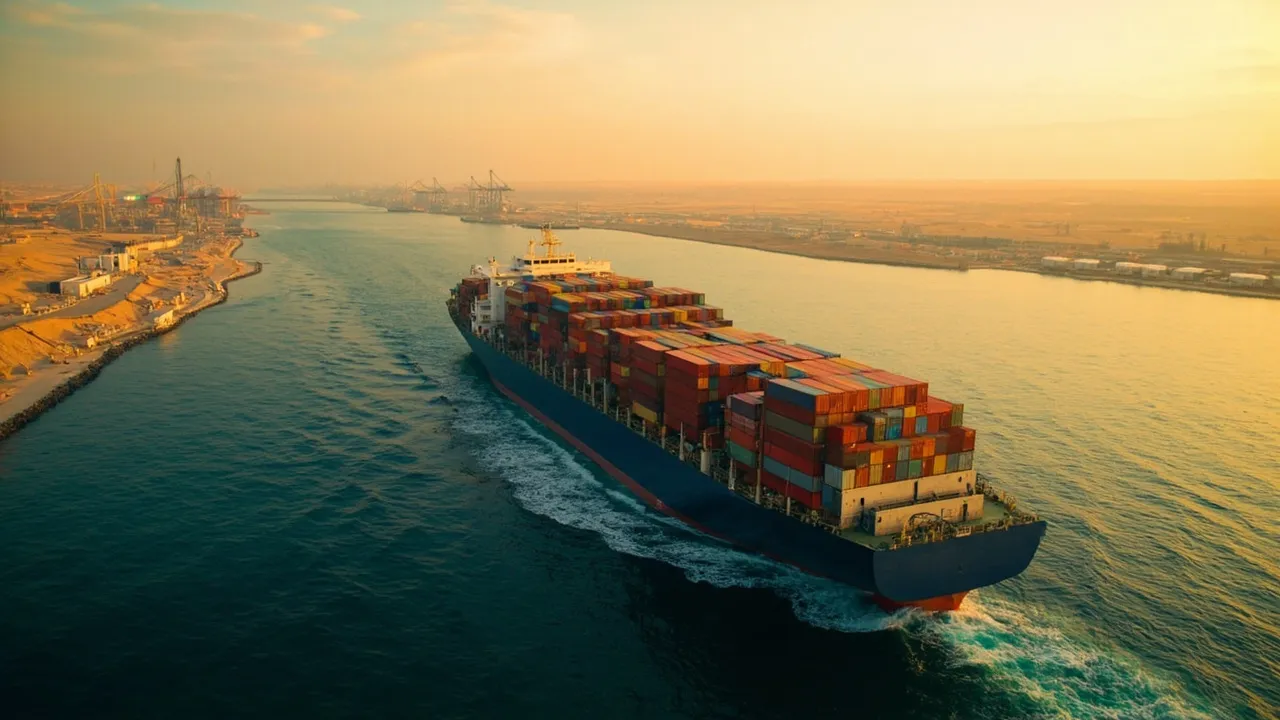
A new Chile-to-U.S. East Coast cold-chain service makes that distinction operationally important. Food Logistics reports that Maersk, produce marketer Oppy, and the Port of Wilmington developed a coordinated route for regulated Chilean produce. The solution was piloted during the 2026 Chilean grape season with weekly sailings, destination fumigation, and inland distribution through Wilmington.
The partners did more than add a port call. Over a six-month period, they expanded fumigation capacity at Wilmington through permits and infrastructure upgrades. That investment turned a compliance constraint into a planned node in the transportation network.
Cargo availability is a chain of conditions
The commercial question for an importer is not “When did the ship arrive?” It is “When can compliant cargo leave the controlled process and make its next appointment?” Those dates can be separated by several operational events.
A usable availability calculation should require all of the following:
- The reefer is discharged and placed in the correct controlled area.
- Temperature records show the product remained within its approved range.
- Customs and agricultural documentation is complete and matched to the shipment.
- Inspectors clear the lot for treatment, or identify the action required.
- Fumigation is completed under the required protocol.
- Treatment records and regulatory releases are received.
- The terminal releases the container and a drayage appointment is available.
- The distribution center can accept the load within its receiving window.
Each condition has its own owner, timestamp, document, and exception path. Missing one can strand a container even when every other step is complete. That is why a vessel estimated time of arrival should never automatically populate the delivery promise for regulated produce.
Temperature control and compliance must share one timeline
Fumigation is often managed as a regulatory task while reefer transport is managed as a logistics task. In practice, they occupy the same clock. A treatment delay extends container dwell, consumes reefer capacity, changes drayage timing, and can shorten the product's remaining selling window.
Inbound Logistics argues that a quality-driven cold chain depends on processes, monitoring, and documentation working together, not temperature control alone. That principle is especially relevant here. A temperature reading without custody context cannot show where an excursion occurred. A fumigation completion notice without the corresponding container, lot, and release record cannot support a dependable pickup.
Importers should build one milestone record for the full journey. It should include container and seal numbers, commodity and lot, reefer set point, sensor readings, custody transfers, inspection status, treatment start and finish, hold and release codes, document receipt, free-time deadlines, pickup appointment, and final proof of delivery.
The record should also preserve planned and actual times. Without both, teams can see that cargo is late but cannot tell whether the delay began with the vessel, the inspection queue, fumigation capacity, documentation, drayage, or the consignee appointment.
Weekly service demands a repeatable import playbook
Weekly sailings create value only if the operating model can repeat every week. The pilot cadence therefore matters more than a one-time successful shipment. Each sailing creates another set of containers that must move through limited treatment, power, inspection, drayage, and receiving capacity.
A practical playbook should assign decision rules before departure from Chile:
- Pre-clear the data. Validate commodity, grower, lot, consignee, treatment requirement, permits, and document completeness before loading. Flag discrepancies while they can still be corrected without port dwell.
- Reserve the compliance window. Forecast treatment demand by sailing and align fumigation slots with discharge plans. The six-month Wilmington capacity expansion shows that permits and infrastructure are planning constraints, not last-minute administrative details.
- Protect temperature evidence. Link sensor identifiers to the container and lot, define who monitors alerts, and specify when an excursion requires a quality hold.
- Plan drayage from regulatory release. Tender trucks against an expected release window, then update the appointment when treatment and documentation milestones become actual. Do not dispatch against vessel arrival alone.
- Create exception branches. Define what happens after an inspection hold, missed fumigation slot, equipment alarm, document mismatch, failed treatment, or missed receiving appointment.
Those rules make weekly flow measurable. Useful metrics include discharge-to-inspection time, inspection-to-treatment time, treatment-to-release time, release-to-gate-out time, total port dwell, temperature excursions, appointment changes, detention exposure, and remaining shelf life at delivery.
Compare routes using true landed time and cost
A direct-looking routing can be more expensive if constrained fumigation adds unpredictable dwell. Conversely, a route with coordinated treatment may outperform a geographically shorter alternative because cargo clears consistently and inland capacity is synchronized.
Route comparisons should therefore include ocean transit, port and terminal charges, treatment cost, expected compliance dwell, reefer power, inspection or hold risk, drayage, detention and demurrage exposure, distribution-center timing, spoilage risk, and shelf-life loss. Planners should model ranges rather than one optimistic transit number.
The Wilmington service offers a useful template: align the sailing, regulated process, and inland move as one product. Its weekly cadence provides a basis for comparing planned versus actual performance across successive arrivals. After several sailings, importers can judge not only average cost but also variability—the factor that often drives expedites, missed promotions, and rejected receiving appointments.
Make regulatory release visible in CXTMS
CXTMS can represent fumigation as a required transportation milestone rather than an offline note. Teams can connect each container to temperature records, custody events, holds, treatment status, release documents, pickup appointments, and final delivery. Rules can calculate “true cargo availability” only when the required conditions are satisfied.
That shared status helps importers, forwarders, drayage carriers, and consignees work from the same operational truth. It also gives managers a route scorecard grounded in actual compliance time and total landed cost—not just port-to-port transit.
For Chilean produce, freshness depends on orchestration after discharge as much as speed at sea. Treating fumigation as a transportation milestone is how a promising route becomes a dependable cold chain.
To manage regulated milestones, cold-chain exceptions, and true cargo availability in one workflow, request a CXTMS demo.