Coca-Cola HBC's AI Yard Project Shows Gate Sequencing Is a Production-Control Problem

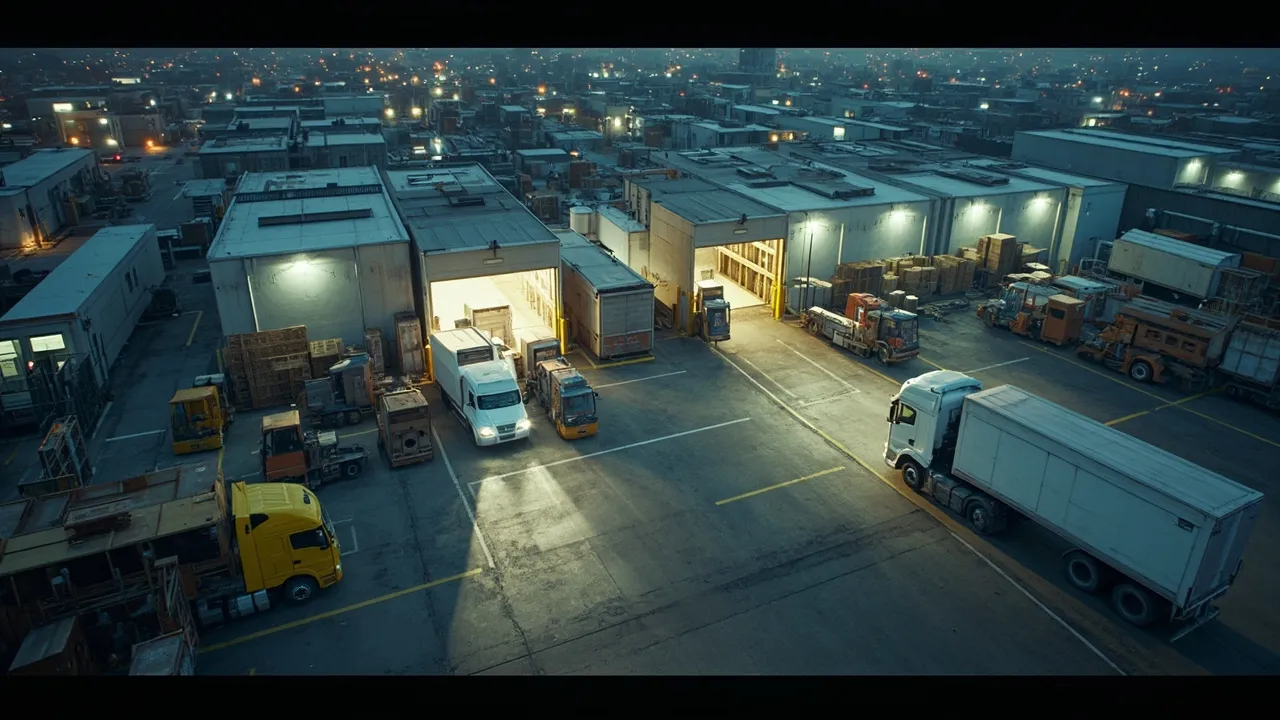
A queue at a factory gate looks like a transportation problem. Often, it is evidence of something deeper: a finished load is not ready, a production line needs an inbound material, the right dock is occupied, or an appointment was created without reliable operating data.
Coca-Cola HBC Austria's yard-management project illustrates the point. The company did not simply speed up check-in. It connected truck movement with time slots, loading positions, forklift work, weighing, quality checks, and real-time production conditions. The result suggests that gate sequencing belongs inside production control, not in an isolated guardhouse application.
A High-Volume Yard Exposes Every Weak Link
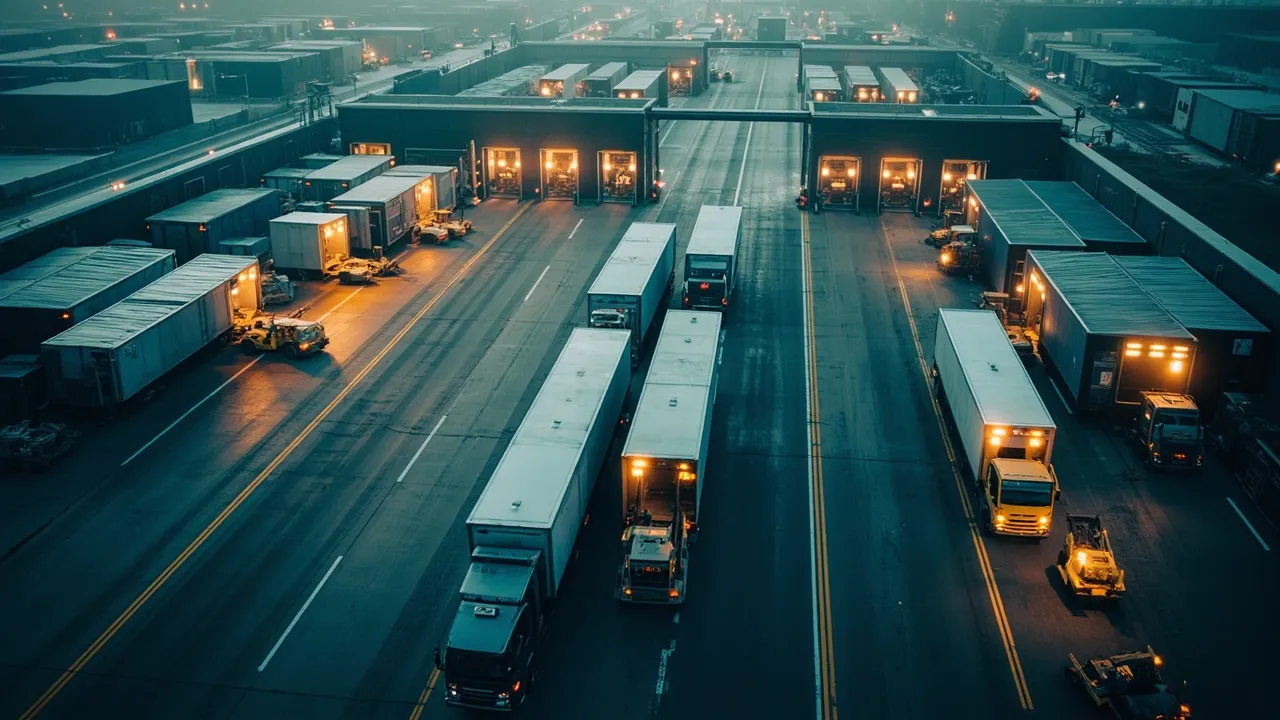
Coca-Cola HBC's Edelstal plant produces roughly 83% of the Coca-Cola beverages sold in Austria. According to a detailed SupplyChainBrain case study, its lines can produce up to 90,000 cans per hour—nearly 25 every second—while 140 to 200 inbound and outbound trucks pass through the gate each day.
Those vehicles are not interchangeable. Some collect finished beverages. Others deliver packaging, ingredients, or empty returnable containers. Each must be registered, weighed, routed, served at a compatible location, weighed again, and released. Forklifts and employees must be available at the correct moment. Even a sugar delivery can require coordination with quality assurance before unloading proceeds.
Fixed schedules and manual coordination cannot absorb that level of interaction reliably. A nominal appointment may be on time while the production order behind it is late. A free door may be useless if it lacks the correct equipment. Calling trucks forward in arrival order can protect one queue metric while starving a production line of critical material.
Sequence for Operational Value, Not Arrival Order
An effective sequencing engine needs a live decision record for every truck. At minimum, it should consider:
- actual and predicted carrier arrival time;
- whether the finished load is staged or an inbound delivery is ready to be received;
- dock capability, current occupancy, and expected release time;
- product priority and the production impact of delay;
- trailer type, weight, temperature, or other handling requirements;
- forklift, labor, scale, inspection, and quality-assurance availability;
- driver-hours constraints and the truck's current yard status.
These inputs turn a static appointment calendar into a continuously revised operating sequence. A truck arriving early does not automatically receive the next door. The system can hold it in a buffer, advance a production-critical inbound load, or reassign a prepared outbound shipment when a disruption changes the plan.
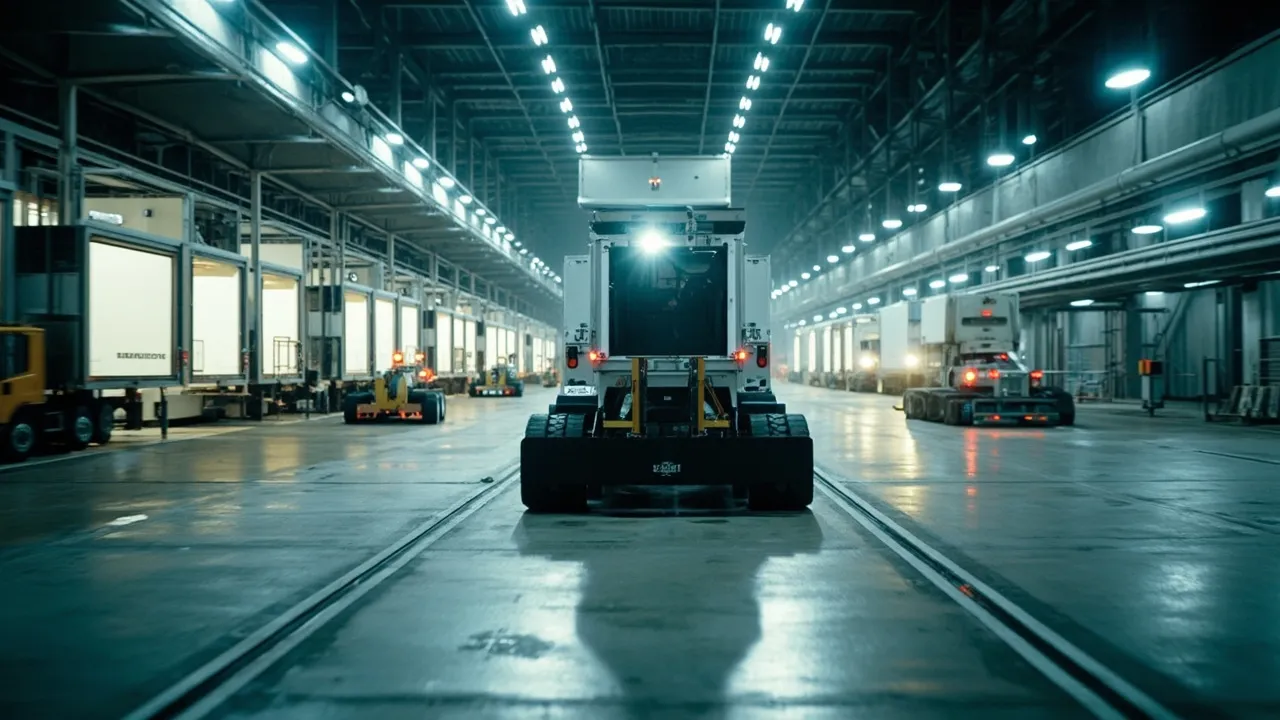
At Edelstal, the application reallocates slots and resources when conditions change. It coordinates activity from entry gate to loading ramp and provides employees with visibility into vehicles already onsite and those due to arrive. Drivers can pre-register, receive a push notification when called, and follow site guidance. Forklift drivers receive synchronized instructions about what to move and when.
That is production orchestration expressed through yard movements.
Integration Makes the Sequence Executable
Optimization is useful only when its decision reaches the people and equipment doing the work. Coca-Cola HBC integrated gates, scales, QR readers, driver devices, and forklift applications. Incoming weight is recorded automatically, an appropriate loading position is assigned after resource checks, and completed loads are documented and compared with planned weight before release.
The sugar-delivery workflow is particularly revealing. When an unloading point becomes available, the vehicle is called forward and quality personnel are notified automatically so sampling can begin without a forklift driver making a phone call and waiting. The avoided delay comes from coordinating a cross-functional dependency, not merely opening the gate faster.
This connected model aligns with a broader warehouse lesson. Inbound Logistics identifies operational flexibility, automation readiness, workforce resilience, and performance management as interconnected capabilities. It also notes that warehouse automation is projected to reach $51 billion by 2030, while many implementations struggle because technology is treated as a standalone project rather than an operating-model change.
A yard project should therefore connect with the TMS, WMS, ERP, production plan, appointment portal, and physical-control systems. Otherwise, the algorithm optimizes against a partial picture and employees must repair its decisions manually.
Measure the Factory Outcome
Queue time matters, but it is not enough. A truck can clear the gate quickly and then wait at a dock. A yard can report low dwell while production loses hours because a critical ingredient was sequenced behind routine pickups.
The scorecard should pair transportation and production measures:
- gate-to-gate and arrival-to-door time;
- line starvation attributable to inbound material delays;
- dock utilization and productive door time;
- detention exposure by carrier, lane, and appointment type;
- appointment adherence and on-time completion;
- load-readiness accuracy at scheduled pickup time;
- sequence overrides and the reason for each intervention.
Edelstal's results show why this broader control model matters. The case study reports that gate-to-gate time fell by around 45%, while on-time completion accuracy reached 85%. The system also records every timestamp, movement, and delay, giving managers the evidence to identify recurring constraints instead of treating each queue as an isolated incident.
The objective is not a perfectly orderly gate. It is a yard that protects production flow, uses doors and labor intelligently, reduces carrier uncertainty, and adjusts before a disruption becomes congestion.
Turn the Yard Into a Shared Control Point
Manufacturers should begin with decision rules, not an AI label. Define which loads may advance, which constraints are absolute, who can override the sequence, and how the system responds when readiness or ETA data is missing. Then connect the data sources, automate execution steps, and review whether each recommendation improved the factory outcome.
Coca-Cola HBC's project demonstrates the payoff of that approach: visibility was paired with real-time allocation and physical execution. The gate became the first step in a coordinated production-logistics process rather than a checkpoint operating on yesterday's schedule.
CXTMS connects appointments, carrier milestones, shipment priorities, dock constraints, and exception workflows in one transportation operating view. Request a CXTMS demo to see how dynamic yard and gate decisions can stay aligned with the freight and production plans they support.